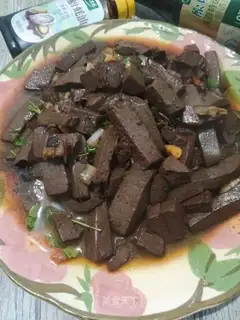
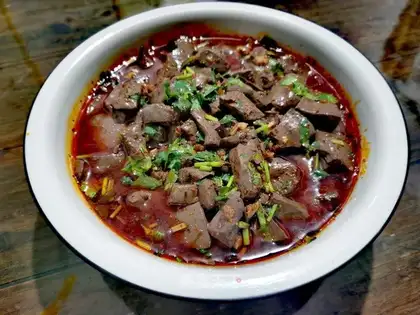
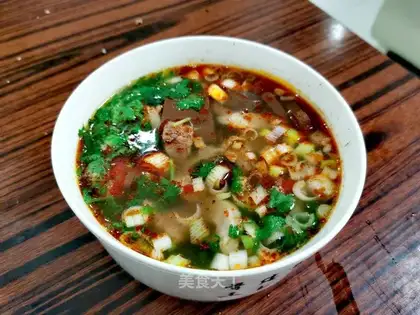
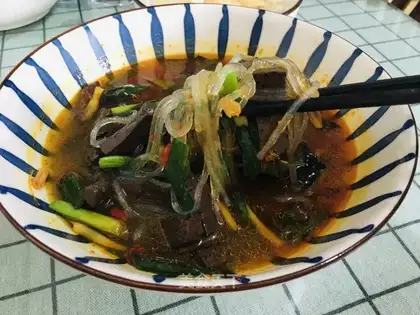
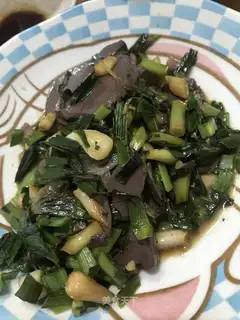
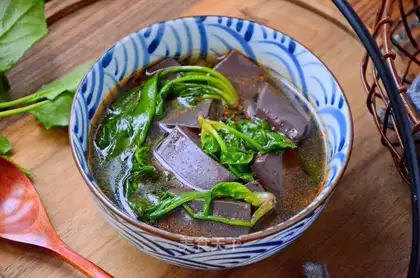
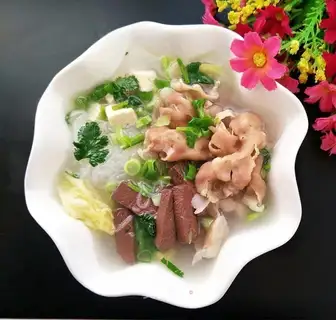
Sheep blood, a traditional ingredient in many cuisines across Asia, Europe, and the Middle East, has long been valued for its unique nutritional profile and potential health benefits. Often used in dishes like blood sausage (morcilla), hot pot, and stews, this nutrient-rich byproduct of sheep processing offers a concentrated source of protein, vitamins, and minerals. However, its consumption also raises questions about safety, ethical considerations, and dietary restrictions. This article explores the nutritional value of sheep blood, its documented health benefits, and important precautions to ensure safe and responsible consumption.
Nutritional Value of Sheep Blood
Sheep blood is a nutritional powerhouse, packed with essential nutrients that contribute to overall health. Its composition is dominated by protein, which accounts for approximately 18–20% of its fresh weight. Unlike many plant-based proteins, sheep blood contains all nine essential amino acids (lysine, methionine, valine, etc.), making it a complete protein source. This is particularly beneficial for individuals looking to build muscle, repair tissues, or maintain muscle mass, as amino acids are the building blocks of proteins.
In addition to protein, sheep blood is rich in minerals. It contains significant amounts of iron, with approximately 2.5 mg per 100 grams—far higher than that found in red meat or spinach. This iron is in the heme form, which is more easily absorbed by the body than non-heme iron (found in plants), making sheep blood a valuable food for preventing iron-deficiency anemia. Other minerals present include potassium, magnesium, calcium, and phosphorus, all of which play critical roles in nerve function, bone health, and fluid balance.
Sheep blood also provides several B vitamins, including vitamin B12, riboflavin (B2), and niacin (B3). Vitamin B12 is essential for red blood cell formation, neurological function, and DNA synthesis, and its deficiency can lead to anemia or nerve damage. Riboflavin supports energy production and skin health, while niacin aids in metabolism and digestion. A 100-gram serving of sheep blood can meet up to 60% of the daily recommended intake of vitamin B12, making it an excellent choice for individuals following vegetarian or vegan diets (who often lack this nutrient) or those with absorption issues.
Another notable component is hemoglobin, the protein in red blood cells that carries oxygen. When consumed, hemoglobin releases iron and amino acids, which can enhance oxygen transport in the body and reduce fatigue. Additionally, sheep blood contains small amounts of antioxidants, such as glutathione, which helps protect cells from oxidative stress.
Health Benefits of Sheep Blood
The nutritional composition of sheep blood translates to several potential health benefits, particularly when consumed as part of a balanced diet.
1. Prevents and Treats Iron-Deficiency Anemia
Iron deficiency is one of the most common nutritional deficiencies worldwide, leading to symptoms like fatigue, weakness, and shortness of breath. Sheep blood’s high heme iron content makes it highly effective in boosting iron levels. Unlike non-heme iron, heme iron is absorbed directly by the intestines without interference from other dietary components (such as phytates or fiber), making it a superior choice for individuals with low iron stores. Studies suggest that consuming heme iron can increase iron absorption by up to 30% compared to plant-based sources.
2. Supports Muscle Growth and Repair
The complete amino acid profile in sheep blood makes it an ideal food for athletes, bodybuilders, and individuals recovering from illness or injury. Protein is essential for repairing damaged tissues and synthesizing new muscle fibers, and the high bioavailability of sheep blood protein ensures efficient utilization by the body. For example, a 2020 study published in the Journal of the Science of Food and Agriculture found that animal-based proteins, including blood, promote greater muscle protein synthesis than plant-based proteins due to their amino acid composition.
3. Enhances Immune Function
Sheep blood contains several nutrients that support immune health, including vitamin B12, iron, and zinc. Vitamin B12 is critical for the production of white blood cells, which are responsible for fighting infections. Iron, on the other hand, supports the immune system by ensuring adequate oxygen supply to cells and tissues. Zinc, though present in smaller amounts, plays a key role in immune cell development and function. Regular consumption of sheep blood may help reduce the risk of infections and improve overall immunity.
4. Promotes Skin and Hair Health
The B vitamins in sheep blood, particularly riboflavin and niacin, are vital for maintaining healthy skin and hair. Riboflavin helps maintain collagen production, which keeps skin firm and elastic, while niacin improves skin barrier function and reduces inflammation. Additionally, the iron content supports blood circulation to the scalp, which can stimulate hair growth and prevent hair loss. Some traditional medicine systems also use sheep blood topically to treat skin conditions like eczema or burns, though scientific evidence for this use is limited.
5. Provides a Nutrient-Dense Food Source
For individuals with high nutrient needs, such as pregnant women, growing children, or the elderly, sheep blood offers a compact source of essential nutrients. Its high protein, iron, and vitamin B12 content can help meet increased dietary demands without consuming large quantities of food. For example, pregnant women require extra iron to support fetal development, and sheep blood can be a valuable addition to their diet to prevent anemia.
Precautions and Potential Risks of Consuming Sheep Blood
While sheep blood offers numerous health benefits, it is not without risks. Several factors must be considered to ensure safe consumption.
1. Risk of Foodborne Illness
Sheep blood, like all animal blood, is highly perishable and can harbor harmful bacteria such as Salmonella, E. coli, and Listeria if not handled or cooked properly. To minimize this risk, fresh blood should be consumed immediately after collection or stored at temperatures below 4°C (39°F). It must be thoroughly cooked to kill any pathogens; undercooked blood can cause food poisoning, leading to symptoms like diarrhea, vomiting, and fever.
2. High Cholesterol and Sodium Content
Sheep blood contains significant amounts of cholesterol (approximately 100 mg per 100 grams) and sodium, especially in processed forms like blood sausage. Individuals with high cholesterol, hypertension, or heart disease should consume it in moderation. For healthy individuals, limiting intake to 1–2 servings per week is advisable to avoid excessive cholesterol or sodium consumption.
3. Allergic Reactions
Some people may be allergic to sheep blood, experiencing symptoms like hives, itching, or difficulty breathing. This is more common in individuals with allergies to other animal products, such as meat or dairy. Those with known blood allergies should avoid sheep blood altogether, while first-time consumers should start with a small portion to check for adverse reactions.
4. Ethical and Cultural Considerations
The consumption of animal blood raises ethical concerns for some individuals, particularly vegetarians, vegans, and animal rights advocates. Additionally, cultural and religious beliefs may prohibit the consumption of blood. For example, in Judaism and Islam, consuming blood is forbidden under kosher and halal dietary laws, respectively. It is important to respect these cultural and ethical boundaries when considering sheep blood as a food.
5. Interaction with Medications
Sheep blood’s high vitamin K content may interfere with blood-thinning medications like warfarin, as vitamin K promotes blood clotting. Individuals taking such medications should consult their healthcare provider before consuming sheep blood to avoid potential interactions.
Conclusion
Sheep blood is a nutrient-dense food that offers a range of health benefits, including preventing anemia, supporting muscle growth, and enhancing immune function. Its high heme iron, complete protein, and B vitamin content make it a valuable addition to the diets of individuals with specific nutritional needs. However, its consumption must be approached with caution due to risks of foodborne illness, high cholesterol, and allergic reactions.
To enjoy sheep blood safely, it is essential to source it from reputable suppliers, handle and cook it properly, and consume it in moderation. Additionally, cultural and ethical considerations should be respected, and individuals with underlying health conditions or dietary restrictions should seek professional advice before including it in their diet. When prepared and consumed responsibly, sheep blood can be a nutritious and delicious component of a balanced diet.