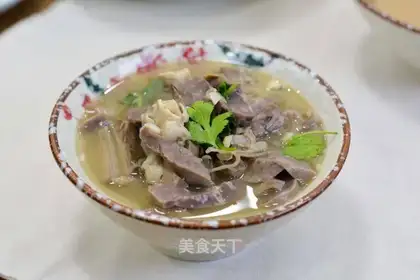
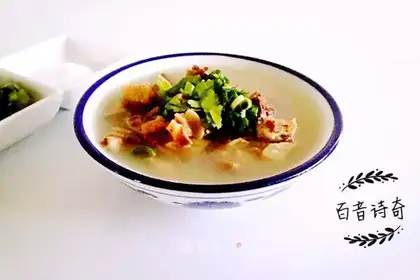
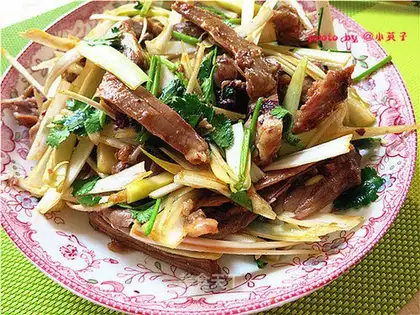
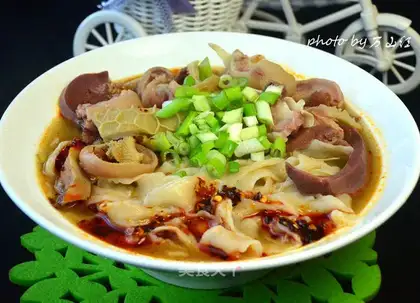
Sheep head, a culinary delicacy in many cultures, has long been celebrated not only for its rich flavor but also for its impressive nutritional profile and traditional medicinal properties. Often overlooked in mainstream Western diets, this offal cut is a nutritional treasure trove, packed with essential vitamins, minerals, and bioactive compounds. However, its consumption is accompanied by important considerations due to its unique composition. This article explores the nutritional value, health benefits, and potential risks associated with sheep head, providing a detailed guide for those looking to incorporate this underrated ingredient into their diet.
I. Nutritional Value of Sheep Head
Sheep head is a nutrient-dense food, offering a concentrated source of high-quality protein, healthy fats, vitamins, and minerals. Its nutritional composition varies slightly depending on factors such as age, diet, and preparation method, but its core benefits remain consistent.
1. High-Quality Protein
Protein is essential for muscle growth, tissue repair, and immune function, and sheep head is an excellent source. A 100-gram serving of cooked sheep head provides approximately 25–30 grams of protein, containing all nine essential amino acids, including lysine, leucine, and tryptophan. Unlike muscle meat, sheep head also contains collagen, a structural protein that supports skin elasticity, joint health, and gut lining integrity. Collagen breaks down into gelatin during cooking, which is easily digestible and beneficial for individuals with digestive sensitivities.
2. Rich in Vitamins
Sheep head is particularly notable for its vitamin content, especially B vitamins, which play a critical role in energy metabolism, neurological function, and red blood cell production.
- Vitamin B12: A single serving of sheep head can provide over 100% of the daily recommended intake of vitamin B12, essential for nerve function and DNA synthesis. Deficiency in B12 can lead to anemia and cognitive decline.
- Niacin (B3): Important for converting food into energy and maintaining healthy skin, niacin is abundant in sheep head, with one serving covering 30–40% of daily needs.
- Riboflavin (B2) and Pantothenic Acid (B5): These vitamins support energy production and hormone regulation, further enhancing the metabolic benefits of sheep head.
Additionally, sheep head contains small amounts of fat-soluble vitamins, such as vitamin A (retinol), which is vital for vision and immune function, and vitamin D, which is crucial for calcium absorption and bone health.
3. Mineral-R profile
The mineral content of sheep head is one of its most standout features, particularly its levels of iron, zinc, selenium, and phosphorus.
- Iron: Sheep head is a heme iron source, which is more easily absorbed by the body than non-heme iron from plants. A 100-gram serving provides 3–5 mg of iron, or 15–25% of the daily requirement, making it beneficial for preventing iron-deficiency anemia, especially in women and children.
- Zinc: Essential for immune function, wound healing, and DNA synthesis, zinc is highly concentrated in sheep head, with one serving meeting 30–40% of daily needs. Zinc deficiency is linked to weakened immunity and delayed growth in children.
- Selenium: A powerful antioxidant, selenium protects cells from oxidative damage and supports thyroid function. Sheep head is an excellent source, providing 50–60% of the recommended daily intake per serving.
- Phosphorus and Calcium: These minerals are critical for bone and teeth formation. Sheep head contains a balanced ratio of phosphorus (which aids in energy metabolism) and calcium, supporting skeletal health.
4. Healthy Fats
While sheep head is not as fatty as other cuts like lamb ribs, it still contains a moderate amount of fat, primarily monounsaturated and saturated fats. The fat in sheep head is rich in oleic acid (the same healthy fat found in olive oil), which supports heart health by reducing LDL cholesterol levels. It also contains small amounts of omega-3 fatty acids, which have anti-inflammatory properties.
II. Health Benefits of Sheep Head
Beyond its nutritional content, sheep head has been used in traditional medicine for centuries to treat various ailments. Modern research is now validating many of these traditional uses, highlighting its potential therapeutic benefits.
1. Supports Immune Function
The combination of zinc, selenium, and vitamin B12 in sheep head makes it a powerful immune booster. Zinc enhances the activity of immune cells, such as neutrophils and natural killer cells, while selenium supports the production of antioxidants like glutathione, which protect immune cells from damage. Vitamin B12, meanwhile, ensures the proper functioning of T-cells, which are critical for adaptive immunity. Regular consumption of sheep head may help reduce the frequency of infections and improve overall immune resilience.
2. Promotes Brain and Nervous System Health
Sheep head is often called "brain food" for good reason. Its high content of vitamin B12, iron, and choline (a nutrient found in brain tissue) supports cognitive function and neurological health. Vitamin B12 deficiency is strongly linked to memory loss, depression, and neuropathy, while iron ensures adequate oxygen supply to the brain. Choline, which is abundant in sheep brain (a component of the head), is a precursor to acetylcholine, a neurotransmitter involved in memory and muscle control. Studies suggest that adequate choline intake may improve memory and reduce the risk of age-related cognitive decline.
3. Enhances Joint and Skin Health
The collagen and gelatin in sheep head are highly beneficial for connective tissues. Collagen provides the structural framework for skin, joints, and bones, and its production declines with age. Consuming collagen-rich foods like sheep head may help reduce joint pain, improve flexibility, and alleviate symptoms of osteoarthritis. For skin, collagen supports elasticity and hydration, reducing the appearance of wrinkles and promoting a youthful complexion. Gelatin, derived from collagen, also aids in gut healing by strengthening the intestinal lining, making it beneficial for individuals with leaky gut syndrome or inflammatory bowel disease.
4. Supports Energy and Metabolism
The B vitamins in sheep head play a key role in converting food into energy. Niacin (B3) helps metabolize carbohydrates, fats, and proteins, while riboflavin (B2) supports the electron transport chain, the process by which cells produce ATP (the body’s energy currency). Iron, too, is essential for energy production, as it carries oxygen to muscles and cells. Individuals with fatigue or anemia may benefit from incorporating sheep head into their diet to boost energy levels.
5. Traditional Medicinal Uses
In traditional Chinese medicine (TCM), sheep head is believed to "nourish the blood" and "calm the mind." It is often prescribed for individuals with anemia, insomnia, or postpartum weakness. In Middle Eastern and African cultures, sheep head soup is considered a restorative food, consumed during illness or recovery to replenish nutrients and strength. While these traditional uses are based on empirical observation rather than clinical trials, they align with the scientific understanding of sheep head’s nutritional benefits.
III. Precautions and Potential Risks
Despite its numerous health benefits, sheep head is not suitable for everyone. Certain populations should exercise caution or avoid consumption altogether due to its unique composition.
1. High Cholesterol Content
Sheep head is relatively high in cholesterol, with a single serving providing 300–400 mg, or 100–130% of the daily recommended limit (300 mg for most adults). While dietary cholesterol has less impact on blood cholesterol levels than saturated fats for many people, individuals with hypercholesterolemia, heart disease, or diabetes should limit their intake. For these individuals, moderation is key—consuming sheep head occasionally as part of a balanced diet is unlikely to pose significant risks, but regular consumption may exacerbate lipid imbalances.
2. Purine Content and Gout Risk
Sheep head is rich in purines, natural compounds that break down into uric acid in the body. High uric acid levels can lead to gout, a painful form of arthritis characterized by joint inflammation. Individuals with a history of gout or high uric acid should avoid sheep head, as it may trigger flare-ups. For healthy individuals, purine intake from sheep head is generally safe, but those with kidney dysfunction (which impairs uric acid excretion) should also limit consumption.
3. Risk of Foodborne Illness
As with all offal, sheep head carries a risk of foodborne illness if not handled and cooked properly. It is highly perishable and should be stored at or below 4°C (39°F) and consumed within 1–2 days of purchase. Cooking is essential to kill harmful bacteria such as Salmonella, E. coli, and Campylobacter. Sheep head should be cooked to an internal temperature of 74°C (165°F) to ensure safety. Pregnant women, young children, the elderly, and immunocompromised individuals should avoid undercooked sheep head due to the risk of bacterial or parasitic infections.
4. Contaminant Accumulation
Like other animal organs, sheep head may accumulate environmental toxins such as heavy metals (e.g., lead, cadmium) or pesticides, depending on the animal’s diet and living conditions. To minimize risk, choose sheep from reputable sources that prioritize organic or grass-fed farming practices. Avoid consuming sheep head from animals that appear unhealthy or were raised in polluted environments.
5. Cultural and Religious Considerations
In some cultures, consuming animal heads or specific organs is taboo due to religious or cultural beliefs. For example, in Judaism, certain offal cuts must be prepared according to kosher laws, and in Islam, halal dietary restrictions apply. Consumers should be mindful of these considerations and respect cultural practices when preparing or serving sheep head.
IV. Culinary Uses and Preparation Tips
To maximize the nutritional benefits and minimize risks, proper preparation of sheep head is essential. Here are some tips for cooking and incorporating sheep head into your diet:
1. Sourcing: Choose fresh sheep head from a trusted butcher or supplier. Look for clear eyes, pink gums, and a fresh smell—avoid heads with discolored skin or foul odors.
2. Cleaning: Thoroughly clean the head, removing the brain, eyes, and tongue if desired (these can be cooked separately). Soak the head in cold water with vinegar or lemon juice to remove any residual blood.
3. Cooking Methods: Sheep head can be boiled, roasted, or stewed. Boiling is the most common method, as it tenderizes the meat and allows the collagen to break down into gelatin. For added flavor, aromatics like onions, garlic, ginger, and spices (e.g., cumin, coriander) can be added to the cooking liquid.
4. Serving Suggestions: Cooked sheep head can be served as a main dish with a side of vegetables or grains, or the meat can be shredded and used in soups, stews, or tacos. The broth, rich in collagen and minerals, can be consumed as a nourishing soup.
5. Frequency of Consumption: Due to its high cholesterol and purine content, sheep head should be consumed in moderation—once or twice a month is sufficient for most healthy individuals.
V. Conclusion
Sheep head is a nutritional powerhouse, offering an unparalleled combination of protein, vitamins, minerals, and collagen. Its benefits for immune function, brain health, joint support, and energy metabolism make it a valuable addition to a balanced diet. However, its high cholesterol, purine, and contaminant levels require caution, particularly for individuals with preexisting health conditions. By sourcing high-quality meat, cooking it properly, and consuming it in moderation, people can enjoy the unique flavors and health benefits of this underrated ingredient. Whether prepared as a traditional soup or a modern dish, sheep head exemplifies the adage "nose to tail" eating, where every part of the animal is utilized for its nutritional and culinary value. As research continues to validate its traditional uses, sheep head may soon reclaim its place as a staple in health-conscious diets worldwide.