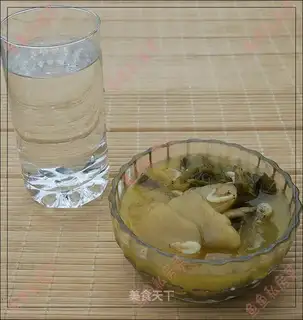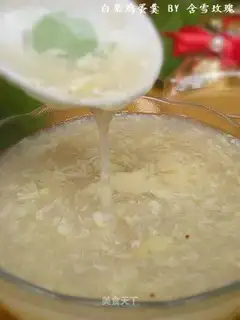
Ginkgo is a nutritious high-level tonic, containing crude protein, crude fat, reducing sugar, nuclear protein, minerals, crude fiber and multiple vitamins. According to scientific conclusions, every 100g of fresh ginkgo contains 13.2 g of protein, 72.6 g of carbohydrates, and 1.3 g of fat. It also contains vitamin C, riboflavin, carotene, and calcium, phosphorus, iron, selenium, potassium, magnesium and other trace elements, 8 kinds of amino acids, have high edible value, medicinal value, and health care value, and have magical effects on human health. <br />Ginkgo nuts contain a variety of nutritional elements. In addition to starch, protein, fat, and sugar, they also contain vitamin c, trace elements such as riboflavin, carotene, calcium, phosphorus, iron, potassium, and magnesium, as well as ginkgolic acid, ginkgolol, five-carbon polysaccharides, liposterols and other ingredients. It has therapeutic effects and medical effects such as replenishing lung qi, treating asthma, stopping insects, shrinking feces, smoothing chapped wrinkles, protecting blood vessels, and increasing blood flow. According to modern medical research, ginkgo biloba also has the effects of smoothing blood vessels, improving brain function, delaying brain aging in the elderly, enhancing memory ability, treating Alzheimer's disease and cerebral blood supply insufficiency. Ginkgo biloba has anti-aging capabilities. Science has a great influence in Germany and France. In addition, ginkgo can also protect the liver, reduce arrhythmia, prevent fatal bronchoconstriction in allergic reactions, and can also be used to deal with asthma, transplant rejection, myocardial infarction, stroke, organ protection and dialysis. <br />Regular consumption of ginkgo can nourish yin, beautify skin and resist aging, dilate capillaries, promote blood circulation, make people's skin and face rosy, rejuvenate their spirits, and prolong life. It is a health food suitable for all ages and a special dish for guests and guests. The flavonoid glycosides and bitter lactone in the seed kernel also have special preventive and therapeutic effects on diseases such as cerebral thrombosis, Alzheimer's disease, hypertension, hyperlipidemia, coronary heart disease, arteriosclerosis, and cerebral dysfunction. <br />Excessive raw or stir-fried food can cause poisoning, and poisoning is particularly common in children by mistake.
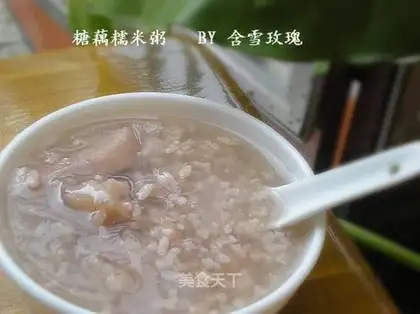
Glutinous rice contains protein, fat, sugar, calcium, phosphorus, iron, vitamin B1, vitamin B2, niacin, starch, etc. It is rich in nutrients. It is a warming and strengthening food. It has the effect of nourishing the middle and replenishing qi, strengthening the spleen and nourishing the stomach, and stopping deficiency sweating. <br />Lotus root contains starch, protein, asparagine, vitamin C and oxidase components, and has a high sugar content. Fresh lotus root can clear heat and relieve annoyance, quench thirst and stop vomiting; if fresh lotus root is squeezed to obtain juice, its effect is even greater. The cooked lotus root is sweet and warm in nature, can strengthen the spleen and appetite, enrich the blood and replenish the heart. Therefore, it is mainly used to nourish the five internal organs and has the effects of digestion, quenching thirst and promoting saliva. <br />If you think making rock sugar glutinous rice lotus root is too complicated, try this. The taste is the same
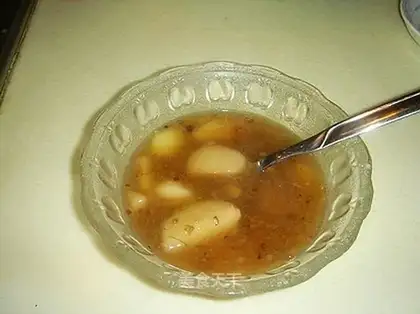
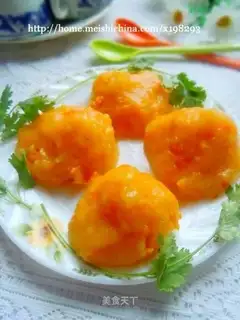
Taro has a high nutritional value. The starch content in the tubers reaches 70%. It can be used as both food and vegetables. It is a tonic for all ages and young. It is a treasure of vegetarian food in autumn. Taro is also rich in protein, calcium, phosphorus, iron, potassium, magnesium, sodium, carotene, niacin, vitamin C, vitamin B1, vitamin B2, saponin and other ingredients. Traditional Chinese medicine believes that taro is sweet, spicy and flat in nature and enters the intestines and stomach. It has the effects of nourishing the stomach, broadening the intestines, relaxing the bowels and resolving masses, replenishing the middle and nourishing the liver and kidney, and replenishing the essence and marrow. It has a certain effect on assisting in the treatment of dry stools, goiter, scrofula, mastitis, insect bites and bee stings, intestinal worms, acute arthritis and other diseases. However, you should be careful not to rub or apply it to healthy skin, otherwise it will cause dermatitis. Once this happens, you can use ginger juice to gently scrub. <br />There are many ways to make taro, salty and sweet, and ever-changing. Osmanthus sugar taro soup is ruddy in color and sweet in the mouth. It is the first choice for tonic in autumn and winter.
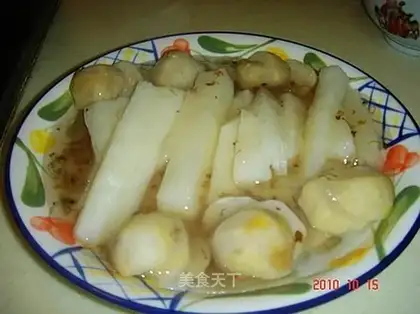
Eating yams is better than eating tonics in autumn and winter. Yams have high medicinal value. Traditional Chinese medicine believes. Mountain medicine is sweet, gentle and non-toxic. It has the effects of nourishing the spleen and kidney, nourishing the lungs, stopping diarrhea, and suppressing sweat. It is a good tonic "food medicine". Eating some yam before tonic in autumn and winter is more conducive to the absorption of supplements. Yam is a medicine for replenishing the middle and replenishing the spleen and stomach. It has the effect of replenishing the spleen and stomach. It is especially suitable for people with weak spleen and stomach to eat before tonic. <br /><br />In autumn and winter, taro, which looks like jade and fat, has become a fashionable delicacy on people's tables. Taro, commonly known as taro and taro, belongs to the Araceae and is a perennial herb. As a vegetable or miscellaneous grain, taro occupied an important position in ancient agriculture and was widely loved by people. Wang Wei wrote in a poem of the Tang Dynasty: "Eat fragrant green mushroom rice, but sweet vegetables and purple taro soup"; Dongpo liked to eat "jade grits soup" made of taro all his life, and a poem praised: "The fragrance is like dragon saliva, but it is still strong and white, and the taste is like milk, which is clearer." <br />Taro also has a place in medicinal use. It is calm in nature and sweet in taste. It has the effect of regulating the middle and replenishing qi, eliminating carbuncle and resolving masses."Southern Yunnan Materia Medica" said that taro is used for diet therapy and can treat deficiency of vital energy. After long-term use, it can nourish the liver and stomach, add lean essence, and enrich the skin. Folk people use taro in water or calcined powder for oral administration to treat stomach pain, diarrhea and chronic nephritis. <br /><br />Osmanthus yam taro is sweet and delicious, and it tastes very good ~~
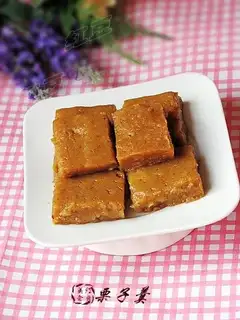
The chestnut soup is soft in the mouth and has the fragrance of chestnuts. <br />It is a good health snack. <br />Chestnuts are a health care ingredient in autumn and winter. They can nourish the stomach and strengthen the spleen, nourish the kidney and strengthen the muscles, promote blood circulation and stop bleeding. If you eat chestnuts regularly, you can achieve the purpose of anti-aging and prolonging life. <br />The cake is fragrant, sweet, glutinous and soft, and has the effects of strengthening the spleen, replenishing qi and nourishing the stomach, strengthening muscles and bones and replenishing deficiency. It is suitable for treating diseases such as old age and frail, sore waist and knees, and unwillingness to eat.
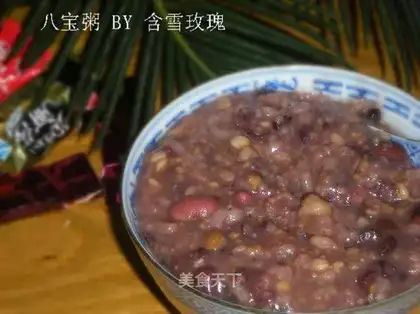
There is a folk proverb that "eat beans for three cents a day, why do you need to take medicine for years?" It means that if people eat beans every day, they can not only stay away from diseases, but also help treat some diseases. You may wish to understand the characteristics of various beans so that they can be used in medicine and food according to their respective physical conditions. The nutritional value of beans is very high. Our country's traditional diet emphasizes that "grains should be raised, but if you lose beans, it will be bad", which means that grains are nutritious, but without beans, the balance will be lost. Modern nutrition has also confirmed that by insisting on eating legumes every day, as long as 2 weeks, the human body can reduce fat content, increase immunity, and reduce the probability of illness. There are many types of beans, and each contains different nutrients and therapeutic effects. Eat more beans, understand the nutritional value of each bean, and choose the beans that suit you, which is more conducive to your health. <br />red bean<br /><br /> Red beans have the effects of clearing heat and detoxifying, strengthening the spleen and nourishing the stomach, diuretic and swelling, ventilation and eliminating annoyance. They can treat dysuria, spleen deficiency edema, beriberi, etc. Li Shizhen called red beans the "valley of the heart". Eating red beans and carp soup has a therapeutic effect on edema, beriberi, difficulty urinating, etc., and can also treat liver cirrhosis, liver ascites, and complement deficiency; the soup obtained by boiling red beans and wax gourd is a good food for systemic edema; Red beans are boiled together with lentils and coix seed to treat diarrhea; Red beans are mixed with forsythia and angelica decoction to treat liver abscess; Red beans are mixed with dandelion and licorice decoction to treat intestinal carbuncle. <br /><br />black rice<br /> Black rice has the effects of nourishing yin and tonifying kidney, strengthening spleen and warming liver, replenishing spleen and stomach, replenishing qi and activating blood circulation, nourishing liver and improving eyesight. Regular consumption of black rice is beneficial to prevent and treat dizziness, dizziness, anemia, white hair, eye diseases, sore waist and knees, dry lungs and cough, constipation, poor urine, kidney deficiency and edema, loss of appetite, and weakness of the spleen and stomach. Since most of the nutrients contained in black rice are concentrated in the black skin layer, it is not suitable for fine processing. It is advisable to eat brown rice or standard third-class rice. <br />soybean<br /><br /> Soybeans are rich in protein, fat, lecithin and a variety of vitamins. Compared with other foods, the protein item alone is 1 times more than lean meat, 2 times more than eggs, and 1 times more than milk. According to research, saporin soybeans can delay human aging; lecithin in soybeans can remove cholesterol on blood vessel walls and soften blood vessels; anti-trypsin in soybeans has a certain effect on diabetes; the phosphorus content in soybeans is considerable, which is very beneficial to the brain nerves. It is beneficial to people with neurasthenia and weak physique. Eating regularly; the iron rich in soybeans is of great benefit to patients with iron deficiency anemia. <br /><br />black beans<br /><br /> Traditional Chinese medicine believes that black beans are sweet and flat in nature, and have the effects of tonifying the kidney and strengthening the body, activating blood circulation, promoting water, and detoxifying. They are especially suitable for people with kidney deficiency. Black beans are rich in nutrients and are known as the "king of beans" and the "flower of nutrition". Ancient health practitioners believed: "Swallowing fourteen black beans every morning is called the five internal organs grain, which will last forever." Black beans have the effects of replenishing the spleen and kidney, replenishing yin and activating blood circulation, tranquilizing the nerves and improving eyesight, removing dampness and relieving stringers, clearing heat and detoxification. Taking black beans for a long time can also prevent the skin from producing black spots and make the skin tender and shiny. For those with low back pain and tinnitus caused by kidney deficiency, you can take 50 grams of black beans and 500 grams of dog meat, boil them together, and add seasonings to eat. In addition, black beans are also known as the "black-haired lady". Soymilk, tofu, etc. made from it are a good food therapy for patients with early white hair and hair loss caused by kidney deficiency. <br /><br />The baby had a new tooth, but new teeth grew out. The old teeth had not yet fallen out, so he had to go to the hospital to have them removed. Our country's traditional diet emphasizes that "grains are suitable for nourishment, but losing beans will be bad", which means that grains are nutritious, but without beans, the balance will be lost. My baby doesn't like beans very much, so I had to think of this way to mix it into the porridge that he must eat every day.