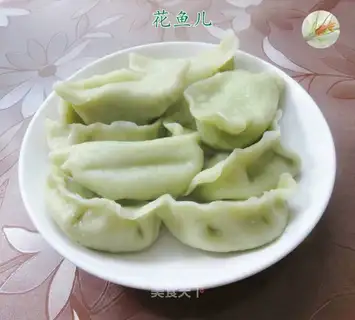
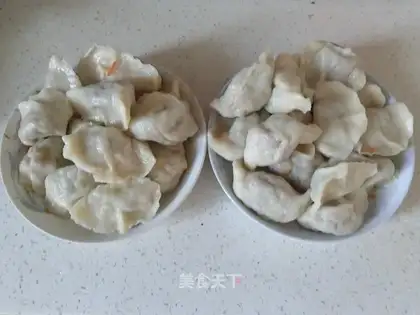
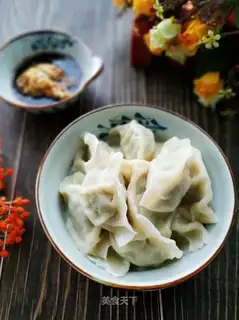
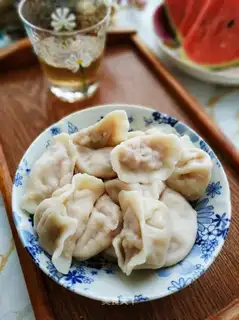
Dumplings, a iconic dish in Chinese cuisine, are cherished worldwide for their versatility, rich flavors, and cultural significance. At the heart of every perfect dumpling lies its wrapper—dough flour, typically made from wheat. While often overshadowed by the fillings, dough flour plays a critical role in both the texture and nutritional profile of dumplings. This article explores the nutritional value of dumpling flour, its health benefits, and important precautions to consider for optimal consumption.
1. Nutritional Value of Dumpling Flour
Dumpling flour is primarily milled from wheat, though variations may exist using rice, corn, or buckwheat. The most common type is all-purpose wheat flour, which is refined to remove the bran and germ, resulting in a fine, powdery texture. However, whole wheat dumpling flour, which retains the bran and germ, offers a more nutrient-dense alternative. Below is a breakdown of its key nutritional components:
1.1 Carbohydrates
Carbohydrates are the predominant component of dumpling flour, making up 70–80% of its weight. Wheat flour is rich in starch, a complex carbohydrate that serves as the body’s primary energy source. A 100-gram serving of all-purpose wheat flour contains approximately 75 grams of carbohydrates, including 10 grams of dietary fiber (in whole wheat flour) versus 2–3 grams in refined flour. Fiber aids digestion, promotes satiety, and helps regulate blood sugar levels.
1.2 Proteins
Dumpling flour is a notable source of plant-based protein, containing 8–15 grams per 100 grams, depending on whether it is refined or whole wheat. Wheat protein consists of glutenin and gliadin, which form gluten when mixed with water. Gluten provides the dough’s elasticity and chewiness, making it ideal for dumpling wrappers. For individuals with gluten sensitivities, alternative flours like rice or buckwheat can be used to avoid adverse reactions.
1.3 Vitamins and Minerals
Whole wheat dumpling flour is a rich source of essential vitamins and minerals lost during refining. Key nutrients include:
- B vitamins: Thiamin (B1), riboflavin (B2), niacin (B3), and folate (B9) are crucial for energy metabolism and nervous system function. Refined flour often lacks these nutrients unless enriched.
- Iron: Whole wheat flour provides approximately 2–3 mg of iron per 100 grams, which is vital for oxygen transport in the blood. Pairing dumplings with vitamin C-rich foods (e.g., vegetables) enhances iron absorption.
- Magnesium and Zinc: These minerals support immune function, muscle health, and wound healing. Whole wheat flour contains 50–100 mg of magnesium and 1–2 mg of zinc per 100 grams.
1.4 Fats
Dumpling flour is low in fat, with whole wheat flour containing 1–2 grams per 100 grams, primarily in the form of healthy unsaturated fats. Refined flour has negligible fat content. However, the type of fat used in cooking (e.g., oil for frying or butter for steaming) can significantly increase the dish’s overall fat content.
2. Health Benefits of Dumpling Flour
When consumed as part of a balanced diet, dumpling flour offers several health benefits, particularly when whole wheat varieties are chosen.
2.1 Sustained Energy Release
The complex carbohydrates in dumpling flour provide a slow and steady release of energy, helping to maintain stable blood sugar levels. This makes dumplings a satisfying meal option that can prevent energy crashes and overeating. For athletes or individuals with active lifestyles, dumplings can serve as a good source of carbohydrates to fuel physical activity.
2.2 Supports Digestive Health
Whole wheat dumpling flour is high in dietary fiber, which promotes healthy digestion by adding bulk to stool and supporting regular bowel movements. Fiber also acts as a prebiotic, feeding beneficial gut bacteria and improving overall gut microbiota balance. A high-fiber diet is linked to a reduced risk of constipation, diverticulitis, and colorectal cancer.
2.3 Nutrient-Risk Mitigation
While refined dumpling flour lacks many nutrients, whole wheat flour is a nutrient powerhouse. The B vitamins in whole wheat flour help convert food into energy, while iron and zinc support immune function and cognitive health. For individuals following a plant-based diet, dumplings made with whole wheat flour can contribute to daily nutrient requirements, particularly when paired with protein-rich fillings like tofu, lentils, or beans.
2.4 Versatility for Dietary Needs
Dumpling flour can be adapted to various dietary preferences and restrictions. For gluten-free diets, rice flour, corn flour, or almond flour can replace wheat flour. For low-carb diets, cauliflower or zucchini "flour" can be used to create dumpling wrappers with fewer carbohydrates. This versatility ensures that dumplings can be enjoyed by people with different health needs.
3. Precautions and Considerations
While dumpling flour offers numerous benefits, there are important precautions to keep in mind to avoid potential health risks.
3.1 Gluten Sensitivity and Celiac Disease
Wheat flour contains gluten, a protein that can cause adverse reactions in individuals with celiac disease or non-celiac gluten sensitivity (NCGS). For these individuals, consuming gluten-containing dumpling flour can trigger symptoms such as bloating, diarrhea, abdominal pain, and fatigue. Gluten-free alternatives like rice flour, buckwheat flour, or certified gluten-free wheat starch can be used to safely enjoy dumplings.
3.2 Refined Flour and Blood Sugar Spikes
Refined dumpling flour, stripped of fiber and nutrients, can cause rapid spikes in blood sugar levels due to its high glycemic index. This is particularly concerning for individuals with diabetes or insulin resistance. To mitigate this, opt for whole wheat flour or blend it with refined flour to balance texture and nutrition. Pairing dumplings with fiber-rich vegetables, lean proteins, and healthy fats can also help stabilize blood sugar.
3.3 Portion Control and Caloric Density
Dumplings, especially when fried or filled with high-fat ingredients (e.g., pork, cheese), can be calorie-dense. Overconsumption may lead to weight gain and increased risk of chronic diseases like obesity and heart disease. To enjoy dumplings in moderation, consider steaming or boiling them instead of frying, and fill them with nutrient-dense ingredients like vegetables, lean meats, or tofu. A serving of 6–8 dumplings (without excessive oil) is a reasonable portion for most adults.
3.4 Sodium Content
Store-bought dumpling wrappers or pre-made dumplings often contain high levels of sodium to enhance flavor and preserve freshness. Excessive sodium intake is linked to high blood pressure and cardiovascular disease. To reduce sodium, use homemade dumpling wrappers with minimal salt and limit the use of soy sauce, salt, or processed fillings. Fresh herbs and spices can add flavor without increasing sodium content.
3.5 Food Safety
Improper handling of dumpling dough or fillings can lead to foodborne illnesses. Raw dough may contain harmful bacteria like Salmonella or E. coli, so it is essential to cook dumplings thoroughly until they reach an internal temperature of 74°C (165°F). Additionally, avoid cross-contamination by keeping raw fillings separate from cooked dumplings and using clean utensils and surfaces.
4. Conclusion
Dumpling flour is a versatile and nutrient-rich ingredient that forms the foundation of one of the world’s most beloved dishes. Whole wheat dumpling flour, in particular, offers a wealth of nutritional benefits, including complex carbohydrates, protein, fiber, and essential vitamins and minerals. When consumed in moderation and prepared with healthy fillings and cooking methods, dumplings can be a part of a balanced diet. However, individuals with gluten sensitivities, diabetes, or those concerned about sodium and calorie intake should take precautions to ensure safe and healthy consumption. By understanding the nutritional value, benefits, and potential risks of dumpling flour, food enthusiasts can enjoy this culinary staple while supporting their overall health and well-being.