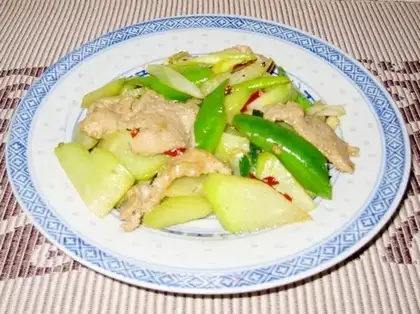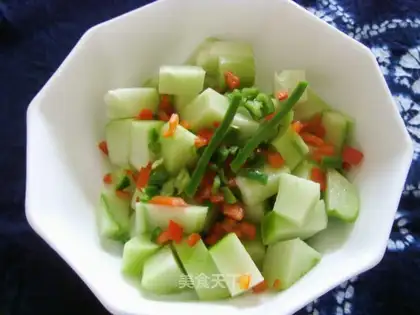
It was introduced to the Yangtze River Basin in the 1990s and is now mainly produced in Fujian, Shandong, Yunnan and Taiwan. <br />The bergamot is shaped like two palms folded together, meaning Buddhist blessings, so it is called "bergamot" and "Fushou" and is deeply loved by people. <br />Chayot is crisp, juicy, delicious and has high nutritional value. It can be used as a dish or eaten raw as a fruit. <br />Chayot is rich in nutrients in melon vegetables, and regular consumption is beneficial to enhancing the body's ability to resist diseases. The content of protein and calcium is more than that of cucumber, and the content of vitamins and minerals is also significantly higher than that of other melons. The calories are very low. It is also a low-sodium food. It is a health vegetable for patients with heart disease and hypertension. Regular consumption of chayot can lead to diuretic and excretion of sodium, which has the function of dilate blood vessels and lowering blood pressure. According to the National Nutrition Association, zinc has a great impact on children's mental development. Frequent consumption of Buddhist melons containing more zinc can help improve intelligence.