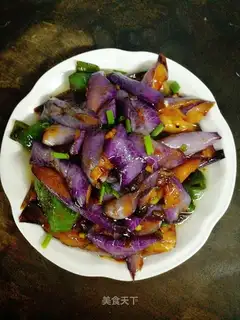
Eggplant, scientifically known as Solanum melongena, is a versatile and widely consumed vegetable globally, with the long purple variety being one of the most popular. Characterized by its sleek, elongated shape and vibrant deep-purple skin, this vegetable is not only a staple in cuisines ranging from Mediterranean to Asian but also a nutritional powerhouse. Often overshadowed by more "trendy" vegetables, the long purple eggplant offers a unique combination of vitamins, minerals, antioxidants, and dietary fiber, contributing to numerous health benefits. However, like all foods, it must be consumed mindfully, as certain precautions apply. This article delves into the nutritional profile, health benefits, and potential risks associated with long purple eggplant, providing a comprehensive guide for incorporating this vegetable into a balanced diet.
Nutritional Profile of Long Purple Eggplant
Long purple eggplant is low in calories yet rich in essential nutrients, making it an excellent addition to weight management and overall health diets. A 100-gram serving of raw eggplant contains approximately 25 calories, 1 gram of protein, 3 grams of carbohydrates (including 2.5 grams of fiber), and negligible fat. Its true nutritional value lies in its micronutrient and bioactive compound content.
Vitamins and Minerals
- Vitamin K: Eggplant is a good source of vitamin K, a crucial nutrient for blood clotting and bone health. A 100-gram serving provides about 3.5 micrograms (mcg) of vitamin K, covering approximately 3% of the daily recommended intake.
- Vitamin B6: This vitamin plays a vital role in brain function, metabolism, and the production of red blood cells. Eggplant contains around 0.1 mg of vitamin B6 per 100 grams, contributing to 8% of the daily value.
- Folate (Vitamin B9): Essential for DNA synthesis and cell division, folate is particularly important during pregnancy. Eggplant provides approximately 14 micrograms of folate per 100 grams.
- Minerals: It contains small but significant amounts of manganese (important for bone health and metabolism), potassium (regulates blood pressure and fluid balance), and magnesium (supports muscle and nerve function). Notably, eggplant is also a source of copper, which aids in iron absorption and energy production.
Dietary Fiber
With 2.5 grams of fiber per 100 grams, eggplant is a valuable source of dietary fiber, both soluble and insoluble. Soluble fiber helps lower cholesterol and stabilize blood sugar levels, while insoluble fiber promotes digestive health by preventing constipation and maintaining gut regularity.
Antioxidants and Bioactive Compounds
The most striking feature of long purple eggplant is its deep-purple skin, rich in anthocyanins—powerful antioxidants responsible for its color. Anthocyanins have anti-inflammatory, anti-cancer, and neuroprotective properties. Nasunin, a specific anthocyanin found in eggplant, has been studied for its ability to protect cell membranes from oxidative damage and may improve brain function by enhancing blood flow.
Additionally, eggplant contains chlorogenic acid, a polyphenol antioxidant linked to reduced risk of heart disease, type 2 diabetes, and certain cancers. The vegetable also small amounts of nasunin, which helps iron absorption by binding to non-heme iron (the type found in plant foods) and making it more bioavailable.
Health Benefits of Long Purple Eggplant
The combination of nutrients and bioactive compounds in long purple eggplant contributes to a range of health benefits, supported by both traditional medicine and modern scientific research.
1. Supports Heart Health
Heart disease is a leading global cause of death, and dietary choices play a critical role in prevention. Eggplant’s fiber content helps lower LDL ("bad") cholesterol by binding to bile acids in the digestive system, promoting their excretion. The potassium in eggplant counteracts the effects of sodium, helping to regulate blood pressure. Furthermore, chlorogenic acid and anthocyanins reduce oxidative stress and inflammation, both of which are key contributors to atherosclerosis (hardening of the arteries).
2. Aids in Weight Management
Low in calories and high in fiber, eggplant is an ideal food for weight loss. Fiber promotes satiety, reducing overall calorie intake by keeping you feeling full longer. A 2019 study published in the Journal of the Academy of Nutrition and Dietetics found that high-fiber vegetables like eggplant can enhance weight loss efforts when combined with a balanced diet.
3. Regulates Blood Sugar Levels
For individuals with diabetes or those at risk, eggplant’s low glycemic index (GI) and high fiber content make it a smart carbohydrate choice. The slow digestion of fiber prevents rapid spikes in blood sugar after meals. Chlorogenic acid has also been shown to improve insulin sensitivity, helping the body use glucose more efficiently. A 2020 review in Nutrients highlighted that polyphenols in eggplant may reduce the risk of type 2 diabetes by modulating glucose metabolism.
4. Enhances Brain Function
Nasunin, the anthocyanin in eggplant, has neuroprotective properties. It protects brain cell membranes from free radical damage and may improve cognitive function by increasing blood flow to the brain. Research suggests that diets rich in anthocyanins are associated with a lower risk of age-related cognitive decline, including Alzheimer’s disease.
5. Promotes Digestive Health
The fiber in eggplant supports a healthy gut microbiome by acting as a prebiotic, feeding beneficial gut bacteria. A healthy microbiome is linked to improved immunity, better mood, and reduced risk of digestive disorders like irritable bowel syndrome (IBS) and diverticulitis.
6. Anti-Cancer Properties
While no food can "cure" cancer, eggplant’s antioxidants may help reduce cancer risk. Anthocyanins and chlorogenic acid neutralize free radicals, which can damage DNA and lead to cancer cell formation. Test-tube and animal studies have shown that these compounds inhibit the growth of cancer cells, particularly those affecting the colon, breast, and skin. However, more human trials are needed to confirm these effects.
Precautions and Potential Risks
Despite its numerous benefits, long purple eggplant contains certain compounds that require caution, especially for individuals with specific health conditions.
1. Solanine and Nightshade Sensitivity
Eggplant belongs to the nightshade family (Solanaceae), along with tomatoes, potatoes, and bell peppers. Nightshades contain solanine, a natural glycoalkaloid compound that can be toxic in high amounts. While ripe eggplant contains minimal solanine, unripe or improperly stored eggplant may have higher levels. Symptoms of solanine toxicity include nausea, headache, and digestive upset.
Some people may also be sensitive to nightshades, experiencing joint pain, inflammation, or digestive issues. If you suspect a nightshade sensitivity, eliminating eggplant from your diet for a few weeks and monitoring symptoms can help determine if it is a trigger.
2. Oxalates and Kidney Stones
Eggplant contains oxalates, naturally occurring compounds that can bind to calcium and form kidney stones in susceptible individuals. People with a history of calcium-oxalate kidney stones should limit their intake of high-oxalate foods, including eggplant. Cooking eggplant can reduce oxalate levels by up to 50%, making it safer for those prone to stones.
3. Absorption of Iron
While nasunin enhances the absorption of non-heme iron (plant-based iron), it can also inhibit the absorption of heme iron (animal-based iron) if consumed in large quantities. Individuals with iron deficiency should avoid eating eggplant in the same meal as iron-rich animal foods to maximize iron absorption.
4. Pesticide Residues
Conventionally grown eggplants are often treated with pesticides, which can leave residues on the skin. To minimize exposure, choose organic eggplant when possible, or wash thoroughly with running water and a vegetable brush. Peeling the eggplant can further reduce pesticide exposure, though this also removes some anthocyanins.
5. Proper Cooking Methods
Raw eggplant can have a bitter taste due to solanine and may be difficult to digest. Cooking methods like grilling, baking, or roasting not only improve its flavor but also enhance the bioavailability of its nutrients. However, avoid frying eggplant in excessive oil, as this increases its calorie and fat content, negating some of its health benefits.
How to Incorporate Long Purple Eggplant into Your Diet
Long purple eggplant is incredibly versatile and can be used in a variety of dishes:
- Grilled or Roasted: Toss with olive oil, garlic, and herbs, then grill or roast until tender.
- Stir-Fries: Add to Asian-inspired stir-fries with bell peppers, tofu, and soy sauce.
- Ratatouille: A classic French dish combining eggplant with zucchini, tomatoes, and onions.
- Eggplant Parmesan: A hearty baked dish layered with tomato sauce and cheese (use whole-wheat breadcrumbs for a healthier twist).
- Dips: Mash roasted eggplant with tahini, lemon juice, and garlic for a creamy Baba Ghanoush.
Conclusion
Long purple eggplant is a nutrient-dense vegetable that offers a wide array of health benefits, from heart health and blood sugar regulation to brain function and weight management. Its rich antioxidant content, particularly anthocyanins and chlorogenic acid, makes it a valuable addition to a balanced diet. However, individuals with nightshade sensitivities, kidney stone history, or iron deficiency should consume it with caution. By choosing fresh, organic eggplant, cooking it properly, and moderating intake if necessary, you can harness the "purple power" of this humble vegetable to support overall health and well-being. Whether grilled, roasted, or stir-fried, long purple eggplant is a delicious and nutritious choice that deserves a place in your weekly meal plan.