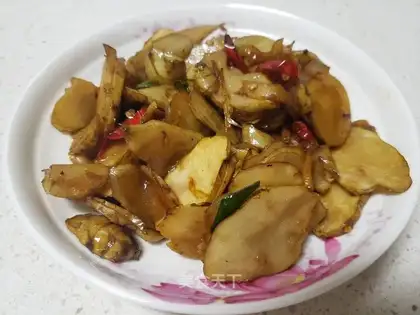
Jerusalem artichoke, also known as sunroot, sunchoke, or earth apple, is a humble yet extraordinary root vegetable often overlooked in mainstream cuisine. Despite its name, it has no relation to Jerusalem or artichokes. Instead, it belongs to the sunflower family (Helianthus tuberosus) and is native to North America. Cultivated for centuries by Indigenous peoples, this knobby, brown-skinned tuber has experienced a resurgence in popularity as health-conscious consumers and chefs rediscover its impressive nutritional profile, unique culinary potential, and medicinal properties. This article explores the nutritional value of Jerusalem artichoke, its evidence-based health benefits, and important precautions for consumption.
I. Nutritional Profile: A Treasure Trove of Fiber, Vitamins, and Minerals
Jerusalem artichoke stands out for its exceptional nutritional composition, particularly its high fiber content, prebiotic properties, and array of essential vitamins and minerals. A 100-gram serving of raw Jerusalem artichoke (approximately one small tuber) contains approximately:
- Calories: 73 kcal (low in calories, making it ideal for weight management).
- Carbohydrates: 17.4 g, of which 13.4 g are dietary fiber—one of the highest among root vegetables.
- Protein: 2 g (moderate for a plant-based source).
- Fat: 0.1 g (negligible).
- Key Vitamins:
- Vitamin B1 (Thiamine): 12% of the Daily Value (DV), crucial for energy metabolism.
- Vitamin B3 (Niacin): 11% of DV, supporting skin health and nervous system function.
- Vitamin B5 (Pantothenic Acid): 10% of DV, aiding hormone synthesis.
- Vitamin C: 8% of DV, an antioxidant important for immune function.
- Minerals:
- Iron: 7% of DV, essential for oxygen transport.
- Potassium: 17% of DV, regulating blood pressure and fluid balance.
- Magnesium: 6% of DV, supporting muscle and nerve function.
- Phosphorus: 10% of DV, vital for bone health.
- Manganese: 20% of DV, a cofactor for antioxidant enzymes.
What truly sets Jerusalem artichoke apart, however, its inulin content. Inulin is a type of soluble fiber and prebiotic that resists digestion in the small intestine, reaching the colon intact to nourish beneficial gut bacteria. Unlike starch, inulin has a minimal impact on blood sugar, making Jerusalem artichoke a diabetic-friendly food.
II. Health Benefits: From Gut Health to Blood Sugar Regulation
The unique combination of fiber, vitamins, minerals, and prebiotics in Jerusalem artichoke contributes to a range of health benefits, supported by scientific research.
1. Supports Gut Health and Digestion
Inulin, the star component of Jerusalem artichoke, acts as a prebiotic, promoting the growth of Bifidobacteria and Lactobacillus—probiotic strains that maintain gut microbiome balance. A healthy gut microbiome is linked to improved digestion, reduced inflammation, and enhanced immune function. Studies show that regular inulin intake can alleviate constipation by increasing stool frequency and softness, and may reduce symptoms of irritable bowel syndrome (IBS), such as bloating and abdominal pain.
2. Regulates Blood Sugar Levels
Jerusalem artichoke’s low glycemic index (GI) of 13 (due to its inulin and fiber content) makes it an excellent choice for people with diabetes or insulin resistance. Unlike high-GI foods that cause rapid spikes in blood sugar, Jerusalem artichoke is digested slowly, preventing sharp fluctuations in glucose and insulin levels. A 2019 study published in the Journal of Medicinal Food found that consuming Jerusalem artichoke extract significantly reduced postprandial (after-meal) blood sugar in participants with type 2 diabetes.
3. Enhances Mineral Absorption
Inulin improves the bioavailability of essential minerals, particularly calcium and magnesium. By increasing the solubility of these minerals in the colon, inulin enhances their absorption, supporting bone health and preventing deficiencies. This is particularly beneficial for postmenopausal women at risk of osteoporosis and individuals with low mineral intake.
4. Boosts Immune Function
The gut microbiome plays a pivotal role in immune regulation, and Jerusalem artichoke’s prebiotic effects indirectly strengthen immunity by promoting the growth of beneficial bacteria. Additionally, its vitamin C content (a powerful antioxidant) scavenges free radicals, reducing oxidative stress and supporting immune cell function. Animal studies have shown that Jerusalem artichoke extract enhances macrophage activity, a key component of the innate immune system.
5. Aids Weight Management
With only 73 kcal per 100 grams and 13.4 grams of fiber, Jerusalem artichoke is a filling, low-calorie food that can help control appetite. Fiber adds bulk to meals, slowing gastric emptying and increasing satiety, which reduces overall calorie intake. A 2020 review in Nutrients highlighted that high-fiber diets are associated with lower body weight and reduced risk of obesity, making Jerusalem artichoke a valuable addition to weight loss diets.
6. Promotes Heart Health
Jerusalem artichoke’s potassium content helps counteract the effects of sodium, lowering blood pressure and reducing the risk of hypertension—a major risk factor for heart disease. Its fiber binds to cholesterol in the digestive system, preventing its absorption and lowering LDL (“bad”) cholesterol levels. Studies suggest that regular consumption of prebiotic fibers like inulin may also reduce triglycerides and improve lipid profiles.
III. Culinary Uses: Versatile and Delicious
Beyond its health benefits, Jerusalem artichoke is a culinary chameleon with a nutty, slightly sweet flavor reminiscent of artichoke, water chestnut, or potato. Its texture—crisp when raw, tender when cooked—makes it suitable for a variety of dishes:
- Raw: Thinly sliced and added to salads for a crunchy texture, or juiced for a nutrient-dense drink.
- Roasted: Tossed with olive oil, garlic, and herbs and roasted until caramelized, bringing out its natural sweetness.
- Mashed or Puréed: Boiled and mashed as a low-carb alternative to potatoes, or blended into soups for creaminess.
- Stir-fried: Sliced and stir-fried with vegetables and protein for a quick, healthy meal.
- Pickled: Similar to pickles, Jerusalem artichoke slices can be pickled in vinegar and spices for a tangy snack.
For those new to Jerusalem artichoke, it is recommended to peel the skin (though some prefer to scrub it thoroughly and leave the skin on for added fiber) and soak sliced tubers in acidulated water (lemon juice or vinegar) to prevent browning.
IV. Precautions and Potential Side Effects
While Jerusalem artichoke is generally safe for most people, its high inulin content can cause digestive discomfort in sensitive individuals. Inulin is a fermentable carbohydrate, and excessive intake may lead to:
- Gas and Bloating: As gut bacteria ferment inulin, they produce gas, which can cause bloating, especially in those unaccustomed to high-fiber diets.
- Abdominal Cramps: Rapid fermentation may irritate the colon, leading to mild cramps.
- Diarrhea: In very large quantities, inulin can draw water into the colon, resulting in loose stools.
To minimize these effects, start with small portions (e.g., 50–100 grams per day) and gradually increase intake as the gut adapts. Individuals with FODMAP intolerance or small intestinal bacterial overgrowth (SIBO) should exercise caution, as inulin is a high-FODMAP food that may exacerbate symptoms.
Additionally, Jerusalem artichoke contains saponins, natural compounds found in many plants that may cause mild irritation in rare cases. Cooking reduces saponin levels, making cooked Jerusalem artichoke safer than raw for sensitive individuals.
Finally, those on blood sugar-lowering medications should monitor their levels closely, as Jerusalem artichoke’s hypoglycemic effects may enhance the medication’s action. Pregnant or breastfeeding women should consult a healthcare provider before consuming large amounts.
V. Conclusion: A Forgotten Superfood Worth Rediscovering
Jerusalem artichoke is a nutritional powerhouse that offers a unique blend of fiber, prebiotics, vitamins, and minerals, supporting gut health, blood sugar regulation, immunity, and more. Its versatility in the kitchen—from raw salads to roasted sides—makes it an easy and delicious addition to a healthy diet. While its high inulin content may cause temporary digestive discomfort in some, gradual consumption can mitigate these effects.
As consumers increasingly seek whole, nutrient-dense foods, Jerusalem artichoke is emerging from obscurity as a sustainable and health-promoting ingredient. Whether you’re looking to improve digestion, manage blood sugar, or simply explore new flavors, this humble tuber is a worthy addition to your plate. By understanding its benefits and precautions, you can harness the power of Jerusalem artichoke to enhance your health and culinary repertoire.