Introduction
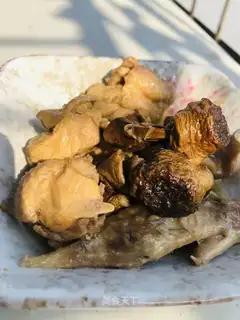
Among the world’s most prized edible fungi, the matsutake mushroom (Tricholoma matsutake) holds a revered place, particularly in East Asian cultures where it is celebrated for its intoxicating aroma, earthy flavor, and cultural significance. While fresh matsutake is a seasonal delicacy, dried matsutake extends its availability, concentrating its flavors and nutrients into a potent, shelf-stable form. For centuries, this “king of mushrooms” has been more than just a culinary ingredient—it has been valued in traditional medicine for its healing properties and modern science is now uncovering the science behind its reputation. This article explores the nutritional profile of dried matsutake, its evidence-based health benefits, potential side effects, and practical tips for consumption.
Nutritional Profile of Dried Matsutake
Drying mushrooms is a traditional preservation method that enhances their nutritional density by removing water, thereby concentrating vitamins, minerals, bioactive compounds, and antioxidants. A 100-gram serving of dried matsutake (equivalent to roughly 1,000 grams fresh) offers a rich array of nutrients:
1. Protein and Amino Acids
Dried matsutake is a surprising source of high-quality plant-based protein, containing 15-20% protein by dry weight. It provides all nine essential amino acids, including lysine, leucine, and tryptophan, which are vital for muscle repair, immune function, and neurotransmitter synthesis. The protein in matsutake is easily digestible, making it a valuable addition to vegetarian and vegan diets.
2. Dietary Fiber
With 30-40% fiber, dried matsutake supports digestive health. Its fiber composition includes both soluble (like beta-glucans) and insoluble fibers. Soluble fiber forms a gel in the gut, slowing glucose absorption and lowering cholesterol, while insoluble fiber adds bulk, promoting regular bowel movements and preventing constipation.
3. Vitamins
Dried matsutake is a powerhouse of B vitamins, which play critical roles in energy metabolism and nervous system health:
- Vitamin B3 (Niacin): Essential for converting food into energy and maintaining healthy skin.
- Vitamin B5 (Pantothenic acid): Supports adrenal function and hormone production.
- Vitamin B6: Crucial for brain development and neurotransmitter regulation.
- Vitamin B9 (Folate): Important for DNA synthesis and cell growth, particularly during pregnancy.
It also contains small amounts of vitamin D, though levels are lower than in sun-exposed fungi like shiitake.
4. Minerals
The mushroom is rich in essential minerals:
- Potassium: Regulates blood pressure and fluid balance.
- Phosphorus: Builds strong bones and teeth.
- Magnesium: Supports muscle and nerve function.
- Selenium: A powerful antioxidant that protects cells from damage.
- Iron: Vital for oxygen transport in the blood.
5. Bioactive Compounds
The true magic of matsutake lies in its unique bioactive compounds:
- Beta-Glucans: Polysaccharides known for immune-modulating effects, enhancing the activity of macrophages and natural killer (NK) cells.
- Polysaccharide-Protein Complexes: These compounds have been studied for their anti-tumor properties.
- Ergosterol: A precursor to vitamin D, which converts to active vitamin D2 when exposed to sunlight.
- Volatile Organic Compounds (VOCs): Responsible for matsutake’s distinctive aroma (e.g., matsutakone and 1-octen-3-ol), some of which have antimicrobial and anti-inflammatory properties.
Health Benefits of Dried Matsutake
The combination of nutrients and bioactive compounds in dried matsutake translates to a range of health benefits, supported by both traditional use and emerging research.
1. Immune System Support
Beta-glucans in matsutake are well-documented for their ability to activate the immune system. Studies show they enhance the function of dendritic cells, which bridge the innate and adaptive immune responses, and increase the production of cytokines (proteins that regulate immune activity). This makes matsutake a valuable food for preventing infections and supporting overall immunity.
2. Antioxidant and Anti-Inflammatory Effects
Dried matsutake is rich in antioxidants, including selenium, vitamin C (in small amounts), and polyphenols, which neutralize free radicals—unstable molecules that cause oxidative stress and chronic diseases. Its anti-inflammatory compounds, such as ergosterol and polysaccharides, may help reduce inflammation linked to conditions like arthritis, heart disease, and diabetes.
3. Anti-Cancer Potential
Preliminary studies suggest matsutake’s polysaccharide-protein complexes may inhibit tumor growth. For example, research published in the Journal of Ethnopharmacology found that extracts from Tricholoma matsutake suppressed the proliferation of human breast cancer cells in vitro by inducing apoptosis (programmed cell death). While human trials are needed, these findings highlight its potential as a complementary therapy.
4. Digestive Health
The high fiber content in dried matsutake promotes a healthy gut microbiome. Soluble fiber acts as a prebiotic, feeding beneficial gut bacteria like Bifidobacterium and Lactobacillus, which are linked to improved digestion, reduced inflammation, and enhanced immune function. Insoluble fiber, meanwhile, prevents constipation and supports colon health.
5. Cardiovascular Health
Matsutake’s fiber, potassium, and antioxidant work together to protect the heart. Fiber lowers LDL ("bad") cholesterol, potassium regulates blood pressure by balancing sodium levels, and antioxidants prevent the oxidation of LDL cholesterol—a key step in atherosclerosis (plaque buildup in arteries). A 2020 study in Food & Function also linked matsutake extracts to reduced triglyceride levels in mice.
6. Weight Management
Low in calories (approximately 300 kcal per 100 grams dried) but high in protein and fiber, matsutake is a filling food that can help control appetite. Protein increases satiety and preserves muscle mass during weight loss, while fiber slows digestion, reducing hunger pangs.
7. Traditional Uses in Medicine
In traditional Chinese and Japanese medicine, dried matsutake has been used to treat "heatiness" (a concept of internal inflammation), boost vitality, and improve respiratory health. It was also prescribed for fatigue and poor circulation, with modern research now validating some of these uses.
Culinary Uses: Unlocking Flavor and Nutrition
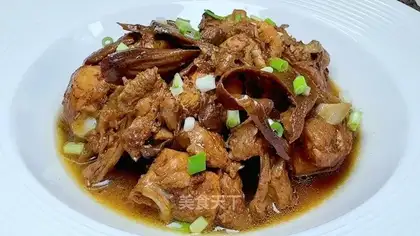
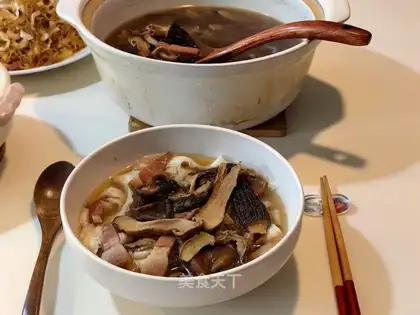
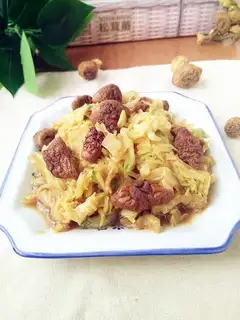
Dried matsutake is prized for its intense, umami-rich flavor, which deepens during drying. To prepare it, rehydrate the mushrooms in warm water for 20-30 minutes (reserve the liquid for soups or sauces, as it contains nutrients). The rehydrated mushrooms can be used in:
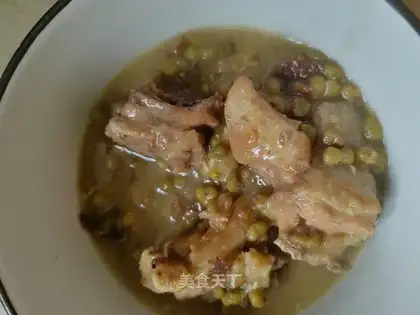
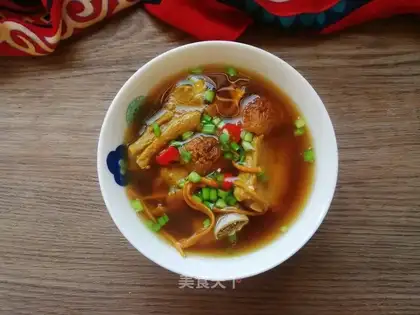
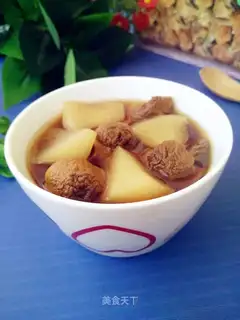
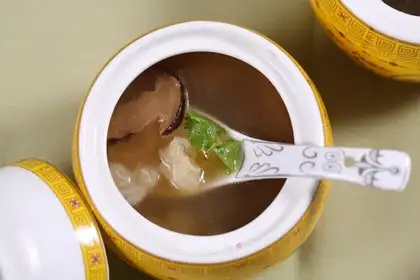
- Soups and Stews: A classic use, where their earthy flavor infuses broths.
- Rice Dishes: Adding rehydrated matsutake and its liquid to rice (e.g., Japanese matsutake gohan) creates an aromatic, flavorful meal.
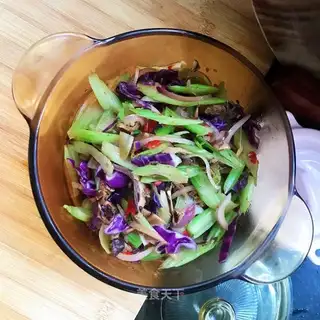
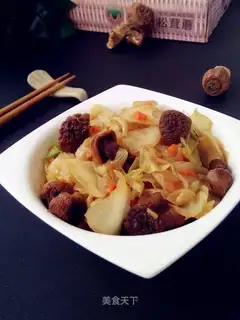
- Stir-fries and Sautéed Dishes: Pair with garlic, ginger, and vegetables for a simple yet elegant dish.
- Teas: Infusing dried matsutake in hot water creates a savory, health-boosting tea.
The key to cooking with dried matsutake is to use it sparingly—its flavor is potent, and a little goes a long way.
Potential Side Effects and Precautions
While dried matsutake is safe for most people, there are important precautions to consider:
1. Allergic Reactions
Mushroom allergies are rare but possible. Symptoms may include itching, swelling, or difficulty breathing. Those with known mushroom allergies should avoid matsutake.
2. Pregnancy and Breastfeeding
There is limited research on matsutake’s safety during pregnancy and breastfeeding. Traditional medicine values it for its nutrient density, but pregnant women should consult a healthcare provider before consuming it regularly.
3. Autoimmune Diseases
Due to its immune-boosting effects, matsutake may exacerbate symptoms of autoimmune conditions (e.g., lupus, rheumatoid arthritis) by overstimulating the immune system. Individuals with these conditions should avoid it or use it under medical supervision.
4. Blood Pressure Medications
Matsutake is high in potassium, which can interact with blood pressure-lowering medications (e.g., ACE inhibitors). Those taking such drugs should monitor their potassium levels and limit intake.
5. Quality and Contamination
As with all dried mushrooms, quality is crucial. Choose products from reputable sources to avoid contamination with heavy metals, pesticides, or bacteria. Store dried matsutake in an airtight container in a cool, dark place to preserve its nutrients.
Conclusion
Dried matsutake is more than a culinary delicacy—it is a nutritional and medicinal powerhouse. From its immune-boosting beta-glucans to its heart-healthy fiber and antioxidants, this mushroom offers a range of health benefits supported by both traditional wisdom and modern science. While it is generally safe for most people, caution is advised for those with allergies, autoimmune conditions, or specific health concerns. When sourced and prepared properly, dried matsutake can be a valuable addition to a balanced diet, enhancing both flavor and well-being. As research continues to uncover its full potential, this "king of mushrooms" is likely to remain a staple in both kitchens and medicine cabinets for generations to come.