Xinjiang cuisine
VicentaLakin
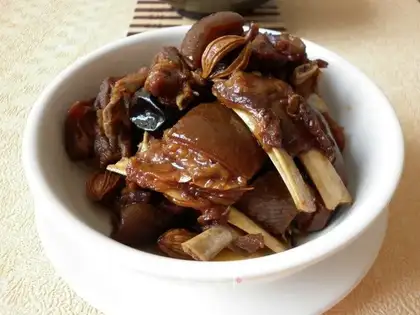
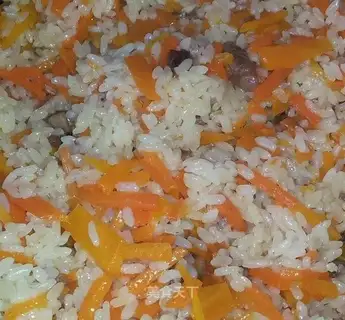
Xinjiang's hands scratched rice, which clearly pointed to the use of hands to extract food, the lamb used in traditional foods was cut into short lamb ribs or spines, with around 30 per cent of thin meat remaining on the bones (e.g., never made with goat hoofs because of the heavy smell of goat hoofs). The main ingredients are rice, carrots, lamb. With its nutritional balance and a few hours of constant colour, it is common not only for guests, but also as a daily snack in the streets. Today, it is usually not scratched by hands, but still referred to as scratching rice. 1. The warmth of the lamb, which is often eaten in winter, not only increases the body ' s heat and resistance to cold, but also increases the hand-cooking of rice 2. The digestive enzymes, the protection of stomach walls, the repair of gastric mucous membranes, and the facilitation of the digestion of the spleen, are anti-age; What we're doing today is meat-cracking, sweet-cooking, bone marrow-cooking, chop-cooking, etc. Hair is the same。
VicentaLakin
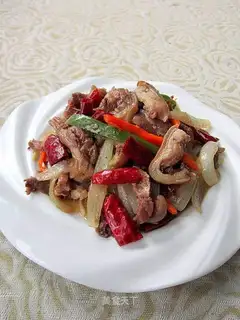
THE LAMB IS A WINTER SUPPLEMENT. THE LAMB IS TENDER, TASTEFUL AND RICH IN NUTRIENTS. ACCORDING TO ANALYSIS, 13.3 G OF PROTEIN, 34.6 G OF FAT, 0.7 G OF CARBOHYDRATES, 11 MG OF CALCIUM, 129 MG OF PHOSPHORUS, 2.0 MG OF IRON, VITAMIN B, VITAMIN A, SOOT ACID, ETC. ARE PRESENT PER 100 GRAMS OF LAMB。
VicentaLakin
With its special geographical climate and its human environment, Xinjiang has created a great deal of human good and has made it easy for the eaters. Food in Xinjiang is often not free of cattle, goats, butter. It has been argued that Xinjiang food is too gruesome, which is a characteristic of Xinjiang food and is related to the specific geographical environment of Xinjiang. Xinjiang's cuisine is cuisine that surrounds people and is insulated. A major feature of Xinjiang's diet is its large plate size, size, and empty territory, which is destined for Xinjiang's food, which has to do with Xinjiang's luxurious personality, with its full goats, big chickens, hand-catching meat, etc., all of this exaggerating food, all of which smells wild. Whatever the identity, if you eat Xinjiang food, you'll see everyone's mouth and hands full of oil, chewing lamb and stuff. The feeling is that there are only three words to say "too good." It's a regular food special to Xinjiang, either a star-class restaurant or a small restaurant on the street, as long as it's in a genuine restaurant. It's a good meal for winter. The tender, digestive, high protein, low fat, high phosphorus fat, lower fat content than pork and beef, low cholesterol content, is one of the cholesterol cholesterol good foods for winter preparedness. The meat-temperature of lambs, which are both refillable and therapeutic, are good foods of strong strength and disease, useful gas, warmth, renal yang, muscle strength, and effectiveness in combating the cold。
VicentaLakin
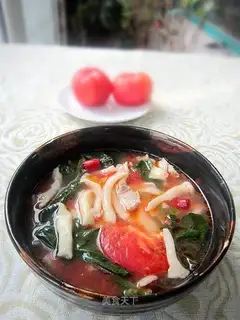
this is a well-known meal in the city of yānqí. on the short street, a hotel full of artillery soup was seen everywhere. it's because it's short like a little firecracker, and the chef who cooks the soup, you see him standing in front of the pot, throwing a little noodles in the pot like a firecracker, kind of like a firecracker, so they call it a cannon-cracker soup. in the cold early days of xinjiang, there are five months of warmth each year, and in cold winters, in order to keep their bodies warm, they usually prefer to eat the main food with soup, which is the first meal, which contains vegetables, tomatoes, pepper pepper, etc., and which is easier to warm and warm, and because the cooking is easier to sweat, so many people eat hot cannonball soup for sweating, while more eat it as a winter cold and as a cold。
VicentaLakin
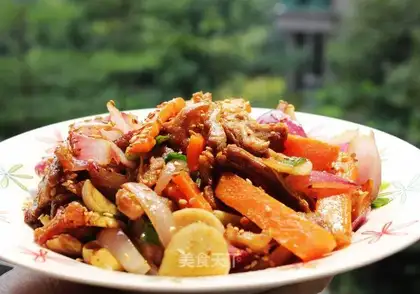
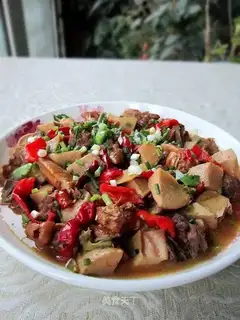
In Xinjiang, a large bowl of chicken is the same specialty that people can't understand. And you will find a different kind of chili chicken in the Qinghe district of Altai, Xinjiang, especially because it contains a special type of Qinghe district. There is a restaurant in Chiang Ha County, where many people line up daily to eat chili chickens, which, according to the boss, were bought directly from pastoralists and were awarded medals in 2006 in the Altai region during the second popular snack contest. I've eaten this chili chicken before, and I've cooked it like a crotch, even though I know that the chili chicken has a secret recipe, it's not necessarily the most authentic, the most important is to introduce this specialty, and to let friends from Xinjiang taste it, which is spicy enough to be spicy enough to be in a bone, and you can't understand the spicy taste without it. If you like noodles, you can also eat with some leather paste and put it in the soup juice, with chickens and peppers of awe. Pleurotaseryngii is a special food mushroom in Xinjiang, which is known for its growth on the larvae plant Weigen. It collects medicine, beauty, food for one body, has a full nutritional enrichment and high content, has been hailed by scholars as today's oeuvre of edible fungus, has a unique presence among the eating fungus, and has been referred to as a sisterly fungus with another high-end drug. Wei mushrooms are so fragrance, so sweet, so wild, so rare on the table. The nutritional value of the awe mushrooms is high in white, fine and fresh meat, delicious and nutritious. They contain 20 per cent of the protein content of the mushrooms and contain minerals such as carbohydrates, fats, sugar, various vitamins and potassium, sodium, calcium, magnesium, phosphorus, zinc, copper and selenium. Of the 18 amino acids contained, 8 essential amino acids are available in humans。
VicentaLakin
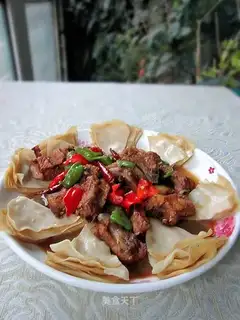
In the woody Kazakh Autonomous District, there is a great variety of snacks, including the Kazakhs' hand grabs lamb, bacon, milk tea, soufflé, Balsak; the Uighurs's food grabs, oils, buns; the Huis' oil, cold skin, yellow noodles, soup, chips, strips; and the Han's slices, whistles, fish. But most of all, it's the lamb pies that are prevalent in the woody areas. Lamb cakes are often available at ordinary people ' s homes, and almost all can be eaten at wooden restaurants and restaurants. In fact, the lamb cake, which is made out of lamb, which I usually like to make with lamb chops, which is made out of pellets, which the Xinjiang likes, and which is made out of lasagna, which is made out of lasagna, which is thinner, which is made into a roasting pot, which is custarded for 30 to 40 seconds, which is cut into small pieces, which is placed in a roasted lamb dish, which is unscamelted, which looks like oil and butter, which is not greasy, which tastes good, which is smelly, and which gives a drop of water, which is really fragrance. Sheep is hot and odoury, which is good for the winter and the sun. Medically, it can help Yuenyang, regenerate, heal his lungs, and profit and gain. It is a cure for strength。
VicentaLakin
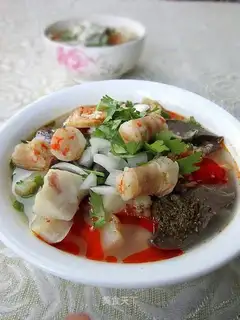
Every time I go to that street, I see that she's busy, that she runs a pulmonary shop, and every time she looks at me, she greets me enthusiastically, I always go to her shop and talk about their special foods and customs. The most talk is about her lungs, every time she says it unreservedly, this time she knows I want to be a lung, leave me some food, she says it's cooked, she's in trouble, she writes about it, even though she knows you can't do Mid-Autumn, just like we're years old, she says: Happy Mid-Autumn, booming business, happy home! Some Xinjiang snacks can't be eaten anywhere else, in other words, delicious ones that can only be eaten in Xinjiang. The rice intestines and facial lungs are one of them. The pasta lung, which originated in Ishawara, has a history of 30 or 40 years as a food for Xinjiang. Pneumoconi and enema are traditional taste snacks preferred by Uighur people. It's made of raw material made of sheep's organs. The plume is soft, the rice is fresh, and all the tourists who come to Xinjiang have tasted it and are hailed for its unique taste. Xinjiang's lung is a national fast food that can be found in street restaurants and night market stalls. Famous lungs are usually made of rice intestines, face bands, etc., pulled out of a big pot, cut into small pieces and fed together in a bowl. The pasta lung is a staple food, and the cooked lung color is a little bit like a steamed potato, but it tastes better than potatoes because of all kinds of sauce. Its production process is complex and generally takes five hours, from lashing to filling to cooking. Sheep pulmonary washing begins with the cutting of two coarse veins connected to the lung before the lung is whitened. After the pulmonary is emptied with white face, and after the surface water has been clarified, the plume is filled with water, a small amount of water is left to stir up the face, then special tools are drawn on the pneumatic tube, stitched with threads, the plating of the platinum is poured out into the instrument and squeezed into the pulmonary leaf; a small amount of fine salt and oil will be squeezed into the pulmonary leaf and the pneumatic cavity will be sealed with rope. At that time, the lungs were large, like small balloons, and their veins were filled with white noodles; and the rice intestines (with shredded liver, sheep's hearts, lamb and pepper powder, powdered powder, salt mixed into rice and added to the intestines), the cheeks and rolls were boiled with a little bit of paprika wired (the hives were evaporated in the pot). When the rice in the intestines is half-cooked, the larvae is used to spread it through the walls of the intestines, so that they may not swell. When you're ready, you get your lungs, your intestines, face bands, etc. out of the pot, and you put them in a tub, and when the guests come, you cut them into pieces and shapes, and you mix them with different sauces. The rice intestines and facial lungs, the intestines, the soft lungs, the chewing of the face, the fragrance of the fragrance, the unique taste of the taste, are no less than the taste of Xinjiang。
VicentaLakin
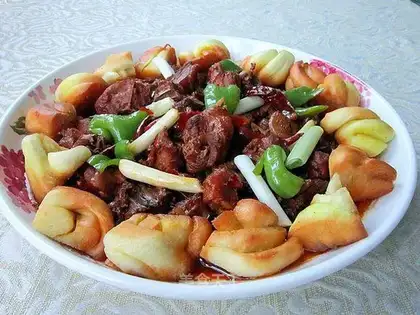
THERE ARE TWO TYPES OF CHICKENS IN XINJIANG: ONE IS A POTATO-COOKED PHEASANT WITH A LEATHER BELT IN SAND BAY, AND THE RECENT XINJIANG POP OF A SMALL ROOSTER WAND MEANS SOMETHING BETTER, AND MANY FRIENDS IN THE INTERIOR MAY NOT HAVE HEARD OF IT. THE BAY OF SANDS FORMED IN 90 YEARS AND MATURED IN 92. IN 96, IT WAS CELEBRATED IN XINJIANG. IT'S COMING FROM THE INTERIOR. THE OTHER ONE IS THE CHAIFEBURG CHICKEN, THE MAIN COURSE IS TYPICAL OF THE SICHUAN DRY CHICKEN. THE HUGE QUANTITIES OF RED DRY PEPPERS MAKE THE ENTIRE PLATE DARK RED. THE CHICKENS PASS THROUGH THE DRY TWIGS, THE TASTE IS DRY, AND THEY TASTE VERY GOOD. IN THE END, THE MAIN FOOD MIX IS A TYPICAL NORTHWEST DIET. XINJIANG CHICKENS ARE NOT FOOD FOR RICE, OTHERWISE THEY WILL LOSE THEIR TASTE. BIG CHICKENS HAVE TO EAT TOGETHER WITH A FEW FRIENDS, OTHERWISE THE ATMOSPHERE IS LOST. THE PRIDE AND SELFLESSNESS OF THE XINJIANG PEOPLE HAVE BEEN LARGELY INTERPRETED IN THE CONTEXT OF THIS TASTE AND THE SHARING OF DRINKS. THE XINJIANG PEOPLE LIKE TO COOK WITH LARGE DISHES, WHICH ARE THE MOST REPRESENTATIVE. IN THE CITY OF TARTARS IN '98, THERE WERE A LOT OF FISH TO FEED, AND 90CM PLATES WERE A SHOCK TO FRIENDS IN THE INTERIOR. YOU DON'T HAVE TO TELL ME, YOU EAT IT, YOU GET ROBBED, YOU DON'T HAVE ANY SOUP. IN THE PAST FEW YEARS, THERE HAVE BEEN MORE LARGE DISHES AND PANS, SOME OF WHICH HAVE BROKEN THE GUINNESS RECORD。
VicentaLakin
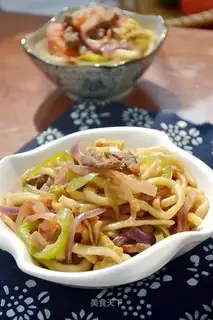
It is the common term of Xinjiang ' s mixed face, which is a wheat pasta made directly by hand, without stinging or pressure, and which is made of vegetables and cattle and goats, which is a popular food preferred by all ethnic groups in Xinjiang, especially by the Uighurs and Muslims. They are well known and loved by all peoples. The first time I ate a cop was at my cousin's house, when I was so obsessed with its tweeds and tastes that I let my mother learn to do it, but after all these years, I still like to do it, and now I've learned how to do it from my mother, and I can do it myself。