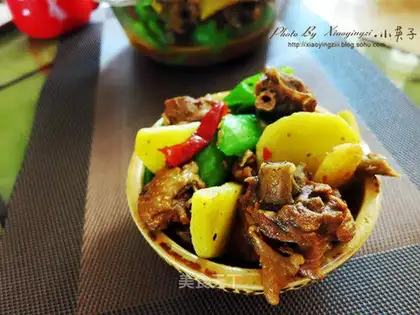
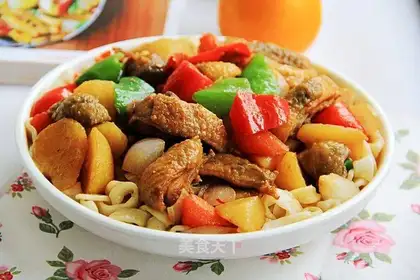
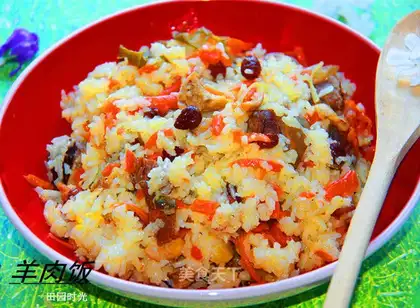
Xinjiang cuisine
VicentaLakin
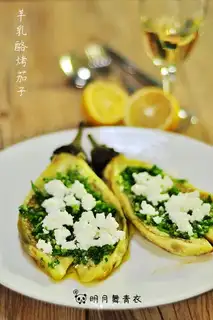
Cheese (cheese), also known as cheese, cheese, cheese, cheese, is the common name of a variety of dairy cheeses, with various tastes, tastes and forms. Cheese is based on milk and contains a wealth of protein and lipid, and its sources include cattle, buffaloes, goats or sheep. Condensed enzymes are usually added to the production process, resulting in the condensation of the cheese, the acidification of the milk, and the separation and suppression of the solids into finished products. Some of the cheese has fungus on the surface or inside, while most of the cheese products melt when cooking indoors. Cheese can be divided into hundreds of species, with milk sources (with differences in the diets of dairy-producing animals), whether or not to use baracter disinfection, milk content, bacteria and mold, treatment and fermentation determine their shape, taste and taste. Cheese can be spiced with vanilla, spices, or smoke. Yellow and red in cheese, such as red Lester cheese, are due to the addition of seeds of blubber trees. Milk in a small number of cheeses is condensed by adding vinegar, lemonade, or other acids, while most cheeses are condensed by mild bacterial acidification, turning lactation into lactate, and then by adding enzyme. In vegetarian cheese, the enzyme can be replaced by other substances. Most of the vegan cheese is made of fungus mercuric fermentation, but some of it is also extracted by different types of charisma. Most of the cheese is milk white to gold. Traditional cheese contains abundant protein and fat, vitamin A, calcium and phosphorus. Modernly, low-fat cheese made of defamined milk is also used. In addition to traditional Western cheese products, Chinese cheese varieties include a variety of non-lactacid cheese and goat cheese from the Guangdong minority: Goat cheese is made of goat milk. It was initially the cheese of the poor, who had only one sheep to feed. Most of Europe's goat cheese is soft, but Britain's soft and hard. There's some goat cheese that smells like goats, but mostly like cow cheese. Greeks and Italians prefer to make salad directly from goat cheese. There's a slight smell of fragrance, a little sour. Combining it with Italian celery and olive oil, the sour tastes good, and the sour smell is almost negligible, but the more it smells. If there is no cheese, it can be replaced with other cheese, but not masu, cream cheese。
VicentaLakin
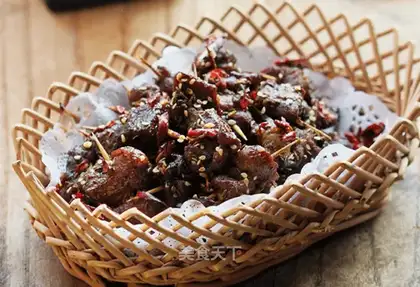
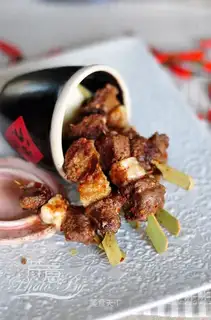
The lamb string, the love of the people, the love of the grown-up children, is easy to make, the lamb chops small pieces, picks a pickle, wears a bamboo stick, has an oven, you bake a roast, and without the oven you fry it with a pan, and don't forget the pepper paste and the powder, the radiant grain, whether it's spicy, hot or hot. Show me the fresh start. There's a clear-fire barbecue. For the good of the pot, for the good of the entrance, it was made into a "mini" type。