Xinjiang cuisine
VicentaLakin
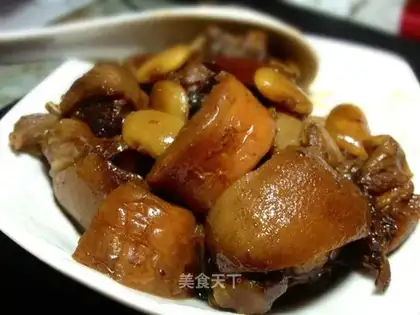
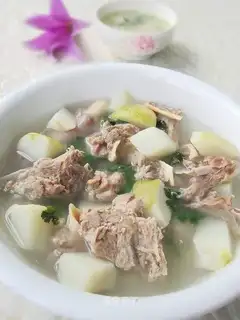
They say that the sheep of Xinjiang “take the golden track, drink mineral water, eat Chinese herbal medicine and even shit is a six-steek yellowball”. Although condensed, it is sufficient to show that the new sheep are grown in the natural environment. Xinjiang's lamb is known for its "hot and taste." The simple way to cook it with a fresh stew is to preserve its essence to the greatest extent possible. It's cold, it's fresh. Once the pot is opened, the blood is blown away and the fire is reduced. Real fire, real stew. A spoonful of oil on the soup, and a spoonful of it on the flesh that is exposed to the soup, the soup remains in a state of openness. When it comes to Chamago, not only are many Mainlanders unaware, but many Xinjiang are not. On the outside alone, it looks very much like a white radish. It's about the size of a big radish. It's ugly. It's got a lot of scars. It's not smooth at all. If you're a very picky person to buy food, it's hard for Chamago to get into your eyes. The Xinjiang people have a 2,000-year history of eating Chamago, whose weight in the hearts of the local minority is as great as the Han people's view of gin. The difference is that Chamaku can eat every day and will not burn. The Uighurs therefore call Chamaku the fruit of longevity. Xinjiang Aksu's famous Kophyng County is the “land of longevity” because the locals love Chamago and make it into a variety of eating methods. Now that Xinjiang has made Chamago into a drink, oil and so on, and is said to be resistant to cancer, the nutritional and pharmaceutical value of Chamago is really too high. Chamago is a high-alkalin plant that balances the acid population. According to experts, 80 per cent of Chinese are severely acidic, and approximately 60 per cent of these people are sub-healthy and need supplementation with alkaline substances. The sources of Chamago ' s plants, their properties, their pharmacological effects, and their functional management are well documented in Uighur medical codes such as: Chamago, free of poison, sexual warmth to the stomach, liver to the liver, tricoon, imitation, ointment and detoxification. Pneumatic coughing, purified liver, renal filling, bologna defecation, urinary swelling, cholera treatment, euphemism, breast milk, drying... external to the inner clothes, which can rise, sweat and vomit, and can work well, soar, respiration, thirst and exaltation are of great credit。
VicentaLakin
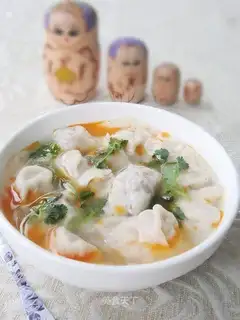
The song is the traditional food of the Uighur people. But it's made out of lamb. It's thin, it's delicious, it's soft, it's soft, it's soft. It's about the same size as the Han, but it's unique in practice and material. This is done first with flour and eggs and noodles, in thin pieces, and in square centimetres. The lamb is then cut to the ground, salted with gravy, onions, pepper powder, powdered and a small amount of lamb soup. Cut the tail of the sheep and make it small, wrap it up with the skin, fold it up, squeeze it with the hand, and fold it together, with the middle eye being a tune. When the broth is boiled, put in a packaged song. When they're cooked, you can make a bowl with cut lamb tails and butter. Usually they eat with spoons. I've made a recipe for it. Tastes better and appetizers more. Especially in the cold winter, a bowl of twilight fills its stomach and increases its heat. They can be tasted everywhere in ethnic restaurants across the country. Sheep is hot and odoury, which is good for the winter and the sun. Motherland medicine believes that it can help Yuenyang, regenerate blood, heal lungs, and profit and gain, and is a cure for strength。
VicentaLakin
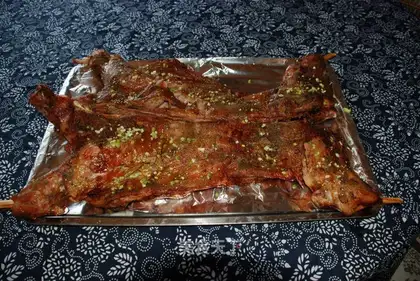
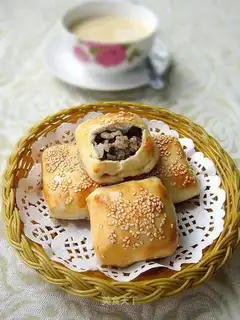
Baking buns (known as “salmsa”) and skin buns (known as “Petermansta”) are foods preferred by Uighur compatriots. Every morning a bowl of milk tea and two baked buns were their nutritious breakfast. The Han people do the same, except to go to a bun store for their fellow Wei, where they pack “two buns”, as they often say. If you say I want lamb buns, it must be a stranger who doesn't know the customs of Xinjiang, which is made of lamb. The simplest approach is fresh lamb, which must be half of the goat's leg and half of the goat's oil, so that the onion (the skin teeth of the Xinjiang people) eats a special flavor, and the onion must be white, and it must be cut, so that the lamb must be cut. Such a little ding, a roasted bun bites it, it's fresh, it's oily, it's shiny. This is the characteristic of Xinjiang's cuisine, “oily” (many outsiders say that Xinjiang food is too greasy, but it is related to Xinjiang's geography and climate. It's not the dry-ass type. The buns like that eat up the cocoon. The taste of Xinjiang's lamb, with no more sauce, with pepper powder and tweak powder, is not Xinjiang's taste. And the shape of the bun has been a shape since ancient times, and that's square. The real buns are baked from the pits, and now there's ovens that you can make at home, but the only thing that's different is the ovens that are baked, and the taste is different, and the pits are baked from the fragrance, the natural smell. It doesn't taste like that. I used to bake it from my home in an oven and brush it with egg fluid, but the real roasted bun in a pit does not brush egg fluid, so it's for the good, and it's for the good, and it's not for the taste of a pit. So many special foods in Xinjiang are impersonable unless you haven't eaten the special foods of Xinjiang, and the ones that are lost. Both types of food are purchased in restaurants, food stands and alleys in towns and villages in Xinjiang, such as the Beijing meatloaf and Tinjin dogs, which are popular with customers. It's funny, when a thin-skin wraps steamed, or baked buns were taken from the pit, the cooks often raised their throats and shouted, "Ibra." Alexa wood buns. Alex Rawood was a famous cook hundreds of years ago. He made buns and buns. So the latter took his name as a sign for a customer。
VicentaLakin
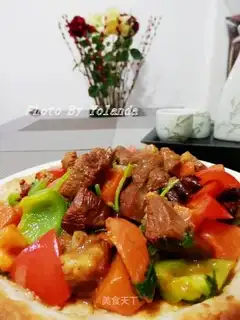
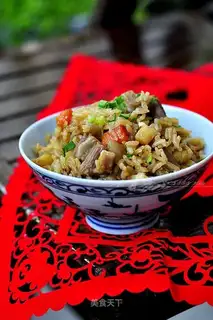
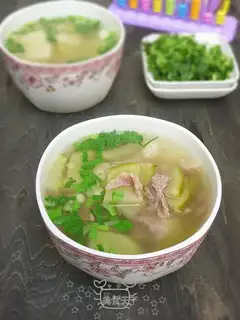
Unwittingly, the winter has begun, and the three meals have naturally changed, and doctors have prevented the nanonally from eating pork and occasionally from eating lamb. Even when eating lamb, it is as low as possible, and the food is as light as possible. When it's cold, the stew is warm, the lamb stew is more classic, except the rice family has recently eaten much less, so the stew is actually a stew. You can drink it alone, you can have it with a bun, you can make noodle soup, you can do it。