Xinjiang cuisine
VicentaLakin
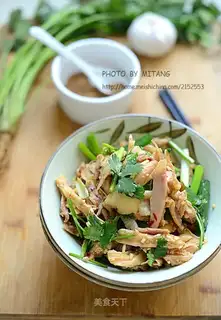
The most common ones are dried bean beans, dried bouquets or dried intestines. And the dried fried meat in Xinjiang food is probably not known. It's a Xinjiang-style innovative dish, which was originally available only at the Grand Hotel, because it's simple and simple, and it's now Xinjiang's regular. It is easier to be healthy when a restaurant is made with oil made into gold or with fried oil and then with lamb, and then with red oil. This dish is a full expression of the taste of the fresh raisin, which, without too many sauces, combines the lamb with the raisins, which tastes like a real raisin, while the raisins are packed with chili powder and Xinjiang produce, which tastes soaky, with peppers and red oil, which appear to increase their appetite。
VicentaLakin
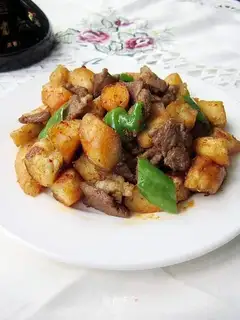
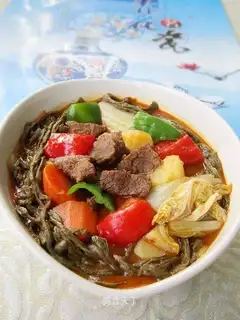
The Sieber's "Sassken" is a traditional stew. Special stewed with beef, potatoes, cabbage, beans, carrots and other foods, followed by green and red peppers. There's something different about this dish with our groceries, and it's very nutritious and colorful. The Sieber ethnic group in Xinjiang was in the middle of the eighteenth century. The Qing Dynasty Government recruited 1,018 members of the Sieber ethnic group from Shenyang and their families, totalling 3,275, led by Mandarin officials. On April 18th, after a year and five months of hard travel, it reached the Ishawar area of Xinjiang for the purpose of reclamation. So every year, April 18th is the Siber Western Emigration Festival. The Siebers of Qin will carry out their various commemorative activities and designate this day as their traditional festival. Most of them now live in the Autonomous District of Buchal Siber in Xinjiang and in the municipalities of Ho and Jau. Beef is used to regenerate, nourishes the abdominal stomachs, strong muscle bones, quenching the wind, drying up the thirst, suitable for human consumption in the midst of the aerobic insinuation, aerobics, corrosive acids, chronic anaemia and dazzling faces; beef for the cold winter is a warmer stomach and a good addition to the season
VicentaLakin
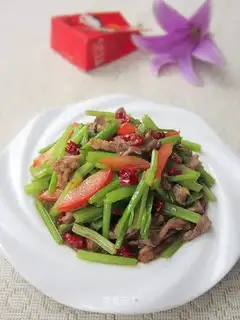
Celery, love of Xinjiang. It's called celery, but it's not like five big, three big celery. Celery with a little bit of veal, it's a big plate of celery. There's celery in it, and Xinjiang love to eat. Creamed lamb is available in the medium-end restaurant in Xinjiang, as it is easy to cook, making it common for most families. The cuisine of Xinjiang's lamb and the characteristics of Xinjiang's cooking are well represented in this dish, and the smell of lamb fried with a few tomatoes and a few spices. Not only does it taste good, but it's a good taste. Cream, fresh lamb, that sweet feeling, only in the heart of Xinjiang. The celery fried lamb is also a special dish for New Zealanders, both for New Year's Eve and for their friends and friends. Celery: Taste, Ping. It's hysteria, blood, blood pressure. For cold fever, vomiting of diarrhoea, urinary infections, leaks, white belts, high blood pressure. Hepata depressurizes the accelerator against cancer and the appearance of beauty fosters appetite, tampons and blood sugar。
VicentaLakin
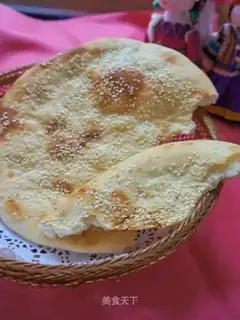
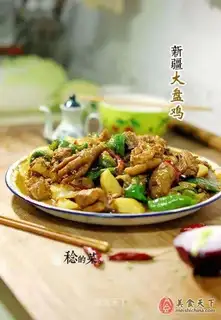
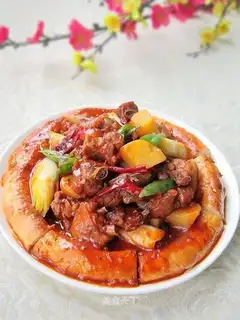
Xinjiang's big chicken can be described as a family member, and even the people of the Mainland know that many people from the Mainland have come to Xinjiang to taste it. When the big rooster comes up, it really shakes the inner people. The plate is really too big for two to three people to eat the big rooster. Not to mention a large plate of chicken co-eating. So when you order, the waiter looks at you as small, you usually remind you to have a large plate or a small plate, and two tourists from the Mainland order a large plate of chicken, and the waiter reminds you that they want a big plate of chicken, and they say they're hungry, they don't talk, they don't eat, and they send a special Internet post, and they specifically remind the tourists from Xinjiang to have a small plate of chicken, which is so big. I can see how big Xinjiang chickens weigh. Now the big chickens have developed a number of new varieties, large dishes, large buns, and so on. It is also a combination of food products and flavors that are unique to Xinjiang. The Xinjiang people love big chickens, which are necessary for the New Year's Festival. It's good for a big chicken to cook, to cook and to eat. In Xinjiang, it has a long history, and ancient times it has been called “breads”, “breads”. Flour is the primary feedstock, most of which is fermented surfaces, but with a small amount of salt not alkaline. There is also a great deal of variety and abundance of raw materials. Efficiencies of the platinum: lipid decompression, care, console, energy supplementation, cancer resistance, anti-decomposition radiation。
VicentaLakin
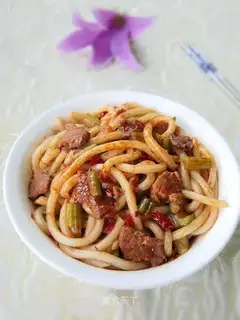
The rice powderers in Xinjiang are known to all. That's the woman's favorite in fast food. The rice powder varieties in Xinjiang are: rice flour, rice powder, Tommy powder, etc. Specialized in rice flour, rice powder, two meats with beef and chicken meat are used as staples of rice flour. Bean petal sauce is the required sauce for fried rice powder. It's usually spicy, spicy and spicy. It's spicy enough to like chili. If it's spicy, it's not spicy, it's not spicy. When you want rice powder, the boss asks if you're spicy. If it's not hot, you can add sauce. It's usually $1. It's not paid, and prices are up. The rice celery is usually used as a side dish, and if the owner is reminded that he does not like celery, he will be replaced by cabbage or any other time the vegetables will be cooked as a side dish. In fact, the rice powder is popular, not waiting in line, and you can mix it directly with fried soybeans and fragrances, and now some of the rice mills have developed, so I love rice powder, especially beef flour, with thick sauce, snorkeling and snorting. Nutrition of rice powder: stomach maintenance, blood gain, hearing, vision, spleen and stomach
VicentaLakin
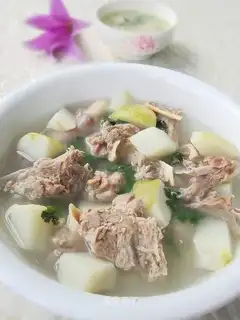
They say that the sheep of Xinjiang “take the golden track, drink mineral water, eat Chinese herbal medicine and even shit is a six-steek yellowball”. Although condensed, it is sufficient to show that the new sheep are grown in the natural environment. Xinjiang's lamb is known for its "hot and taste." The simple way to cook it with a fresh stew is to preserve its essence to the greatest extent possible. It's cold, it's fresh. Once the pot is opened, the blood is blown away and the fire is reduced. Real fire, real stew. A spoonful of oil on the soup, and a spoonful of it on the flesh that is exposed to the soup, the soup remains in a state of openness. When it comes to Chamago, not only are many Mainlanders unaware, but many Xinjiang are not. On the outside alone, it looks very much like a white radish. It's about the size of a big radish. It's ugly. It's got a lot of scars. It's not smooth at all. If you're a very picky person to buy food, it's hard for Chamago to get into your eyes. The Xinjiang people have a 2,000-year history of eating Chamago, whose weight in the hearts of the local minority is as great as the Han people's view of gin. The difference is that Chamaku can eat every day and will not burn. The Uighurs therefore call Chamaku the fruit of longevity. Xinjiang Aksu's famous Kophyng County is the “land of longevity” because the locals love Chamago and make it into a variety of eating methods. Now that Xinjiang has made Chamago into a drink, oil and so on, and is said to be resistant to cancer, the nutritional and pharmaceutical value of Chamago is really too high. Chamago is a high-alkalin plant that balances the acid population. According to experts, 80 per cent of Chinese are severely acidic, and approximately 60 per cent of these people are sub-healthy and need supplementation with alkaline substances. The sources of Chamago ' s plants, their properties, their pharmacological effects, and their functional management are well documented in Uighur medical codes such as: Chamago, free of poison, sexual warmth to the stomach, liver to the liver, tricoon, imitation, ointment and detoxification. Pneumatic coughing, purified liver, renal filling, bologna defecation, urinary swelling, cholera treatment, euphemism, breast milk, drying... external to the inner clothes, which can rise, sweat and vomit, and can work well, soar, respiration, thirst and exaltation are of great credit。
VicentaLakin
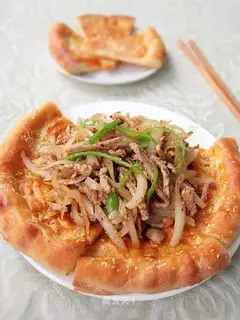
Today we talked to our friends about onions, and I said that we all liked white onions because they tasted sweet, better than purple onions, which only people in the interior love, who said he knew about onions very well and that he loved onions. Then I sent out a recipe called "The Skinned Budd" and immediately said it was Xinjiang, and I'm sure it was, what was it that I sent the Skinded? Don't you know much about onions? The one who was in a hurry said that it was your dialect, and said, “Bein Beijing, onions are called onions, round heads”. Hey, every place has its own dialect, and every day, don't say that I know something very well, because the one who says I'm so lonely, I'm always at home, and this time I'm upset that I'm a woman. Xinjiang called the onions "sprouts" and called the pork "grand meat" and the butter "grain oil" and the vegetable oil "bare oil," which I used to write when I wrote recipes, which were written in local languages, and many friends suggested, couldn't understand, and then changed to popular language. The term " beads " is an alias for onions, and the term " beads " is derived from the Turkish-speaking Western-Hungarian language, due to the ethnic complexity of the Xinjiang region. There is a long-standing phenomenon of inter-ethnic multiplicity. The onions of Turkic are being translated into “sprouts”. It was then widely known throughout Xinjiang。