bao bun recipe
VicentaLakin
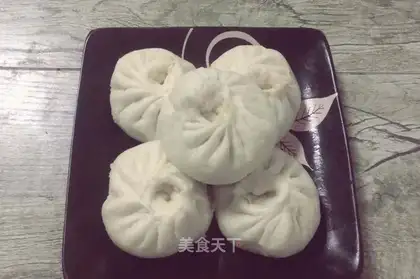
We can't get tired of eating the beans in the summer. If it takes too long to send bread, let's make a hot noodles bun. It's beautiful, it's thin, it's delicious. Noodle foods: 500 grams of barbed flour, 200 grams of water, 50 grams of cold water: 650 grams of soybeans, 250 grams of pork meat, 1 spoon of platinum oil, 2 spoons of raw salt, 3 grams of salt, ginger calorie, garlic, onions and oil
VicentaLakin
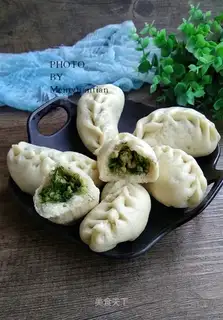
The first time I made this bag, it was delicious. Carrots, black wood, fans, shrimp skins, fragrances, and kids having fun. In order to make a perfect breakfast for the child, to give her peace of mind, to get up and make buns before dawn, to collect the only food available at home, but to be surprised and hope that the child's grades will be as good as those of a bun. Noodles: 250 grams of low-banded flour, 2.5 grams of yeast, 115 grams of water, 5 grams of sugar, and buns: Carrot, 300 grams, fans, 50 grams, dry black wood, 10 grams, onions, shrimp skin, 2 grams of salt, platinum, 2 spoons of platinum, one spoon, edible oil。
VicentaLakin
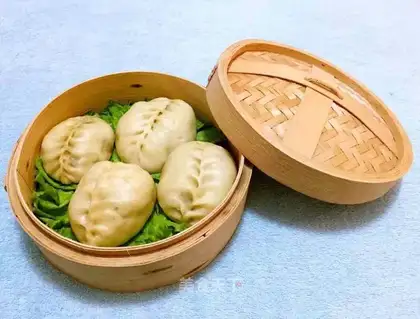
The line is also known as camel hair and is known as algae, which is one of the species of brown algae, brown algae, algae, algae and algae. The algae are brown to dark brown, tube-like, membrane, bushy, 20 to 50 cm tall, and 2 to 5 mm in diameter are found in rock or rock marshes in the meso-tidal zone, as well as in the climax and low-tidal zone rocks. The algae are brown to dark brown, tube-like, membrane, bushy, 20 to 50 cm tall, and 2 to 5 mm in diameter are found in rock or rock marshes in the meso-tidal zone, as well as in the climax and low-tidal zone rocks. Algae, a brown algae that has not yet been exploited, with high food and health-care value, has long been used as a marine vegetable treasure by the inhabitants of the coastal zone of my country, but its very limited natural resources, lack of seedlings and premature farming techniques limit the development and use of the algae. The line is distributed along our northern and southern coasts. During the four to six months of boom, seaweed with a warm temperate zone, which requires lower water temperatures, is generally available around the spring festival and begins to disappear after April/May. Seamlines can be used for feed and medicine, as well as for food, good taste and nutritional value. In addition to abundant proteins and fats, there are also large amounts of sulphate roots, which are resistant to condensation and also help prevent cardiovascular diseases。