The New Year’s Eve dinner in South China, or "Nian Ye Fan," is a vibrant celebration of family, tradition, and culinary harmony. Rooted in Cantonese and Hakka influences, the spread is a symphony of flavors, symbolizing prosperity and togetherness.
No feast is complete without a whole steamed fish, typically a sea bass or grouper, representing "surplus" (yu) for the year ahead. Its delicate flesh, garnished with ginger and scallions, is steamed to perfection, embodying freshness. Braised pork belly, or "Hong Shao Rou," is another staple—slow-cooked until tender, with a sweet-savory sauce that clings to each bite, signifying wealth and abundance.
Vegetables play a starring role too. Stir-fried lettuce, or "Sheng Cai," sounds like "growing wealth," while braised black moss, "Fa Cai," is a pun on "prosperity." Dumplings shaped like gold ingots are filled with shrimp and pork, ensuring fortune in the new year.
Desserts like tangyuan (sweet glutinous rice balls) round out the meal, symbolizing family unity. More than just food, each dish tells a story, weaving warmth and hope into the fabric of the reunion. This feast is not just eaten—it’s experienced, a cherished tradition that bridges generations.
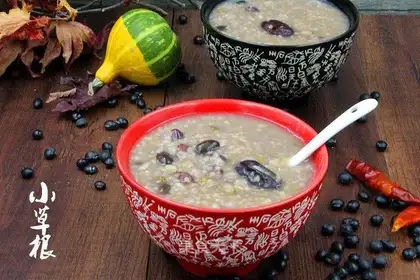 Four seasons of porridge"
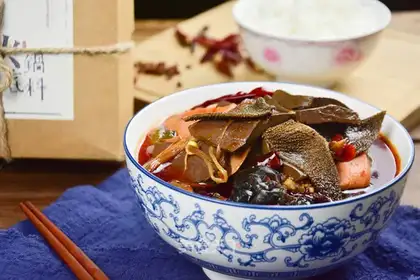 Bloody blood"
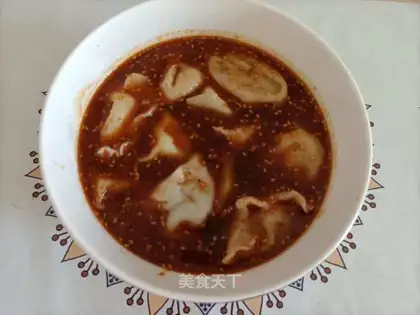 Sour soup dumplings"
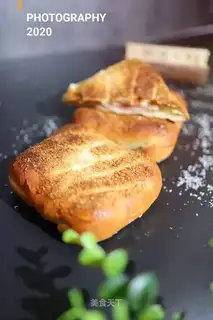 Ham cheese bread"
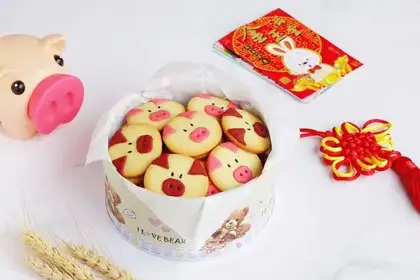 Piggy cookies"
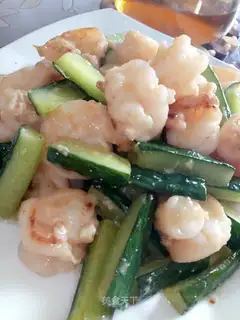 cucumber shrimp"
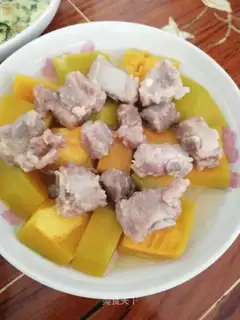 Pumpkin's evaporated ribs"
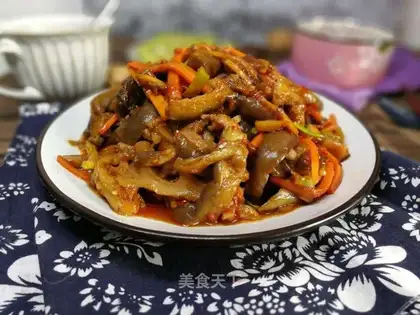 Fish and cheese"
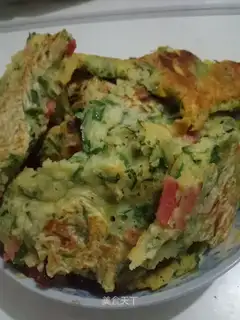 Cream eggs"
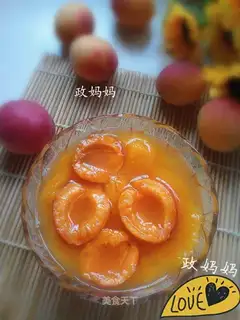 Sugar almonds"
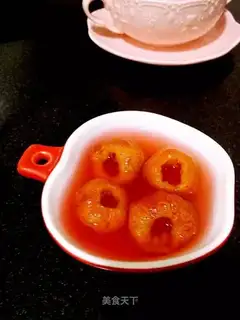 Mountain cans"
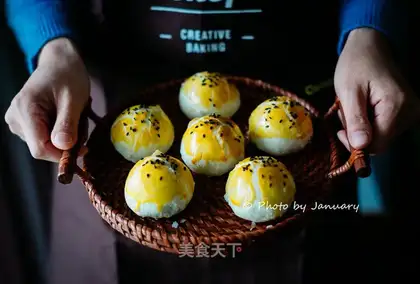 Souffle"
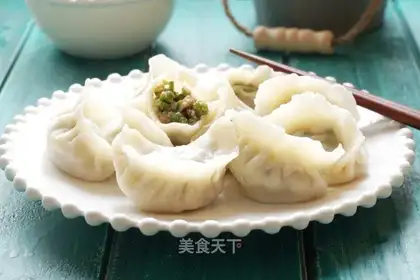 Pork bean horn dumplings"
 Pineapple juice"
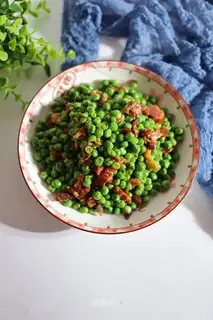 Hot chicken fried peas"
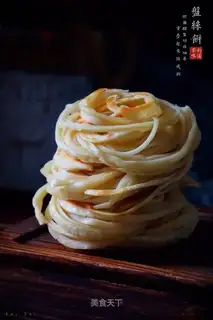 Pancakes"
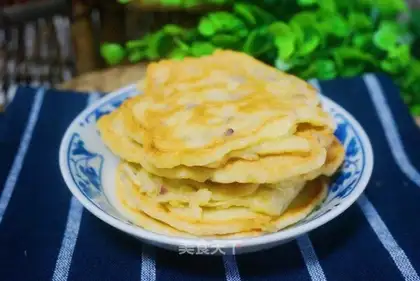 Onion eggcake"
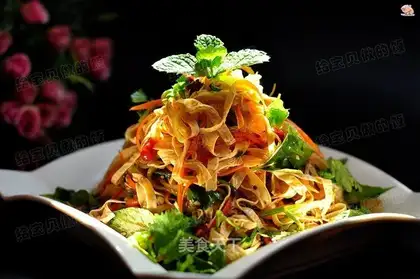 It's good"
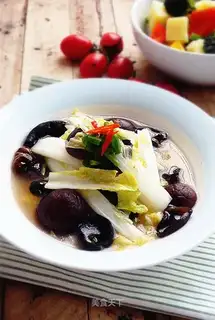 Mushrooms and musk"
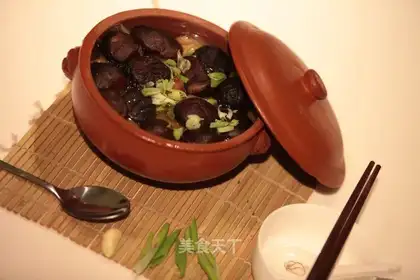 Yunnan's pan"
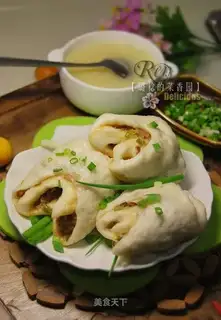 Get rich and roll with your hands"
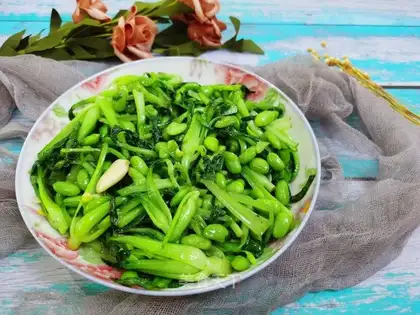 Scrambled beans"
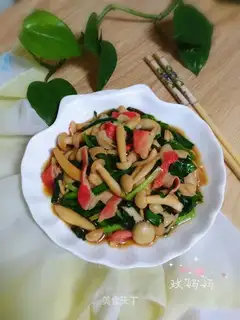 Crab sticks"