Rendering lard, the process of cooking down pork fat to create a versatile cooking fat, is a timeless kitchen skill. Here’s a simple guide to mastering it.
Start with high-quality pork fat, known as "leaf lard" (from around the kidneys) for a mild, neutral flavor, or "back fat" for a richer taste. Cut the fat into small, uniform cubes (about 1-inch) to ensure even rendering. Place the fat in a heavy-bottomed pot or Dutch oven and add a small amount of water (1/4 cup per pound of fat) to prevent scorching during the initial heating.
Cook over low heat, stirring occasionally. As the fat melts, the water will evaporate, and the pieces will shrink, turning golden brown and crispy (these are cracklings, a delicious byproduct). This slow process takes 1–2 hours. Avoid high heat, which can make the lard taste bitter.
Once the cracklings are brown and crisp, strain the mixture through a fine-mesh sieve or cheesecloth into a clean jar or container. Let it cool completely before sealing. Properly stored in the refrigerator, lard can last for months.
Use it for frying, baking, or sautéing—its high smoke point and creamy texture make it superior to many vegetable oils. This traditional method not only preserves the fat but also enhances the flavor of your dishes.
 Toast pizza"
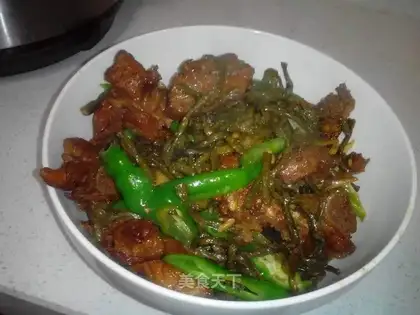 Dry bean bean horned ribs"
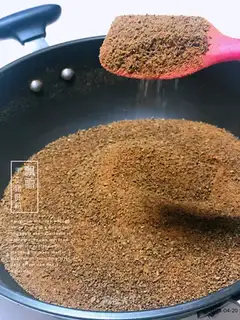 No extra iron pig liver powder added"
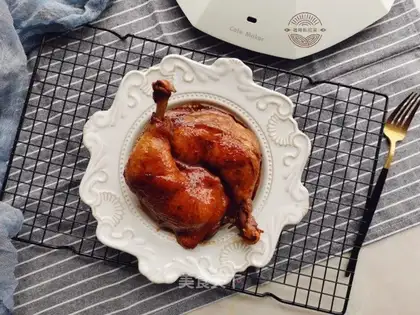 Red chicken legs"
 Chicken soup"
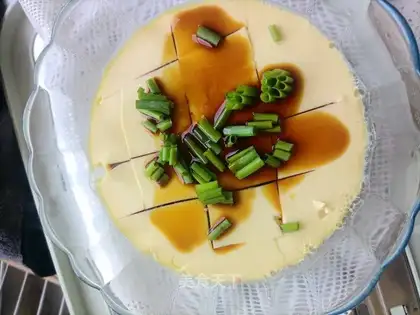 Steaming eggs"
 Improved units fire pot"
 Double Dragon Curtain"
 Toast ice cream"
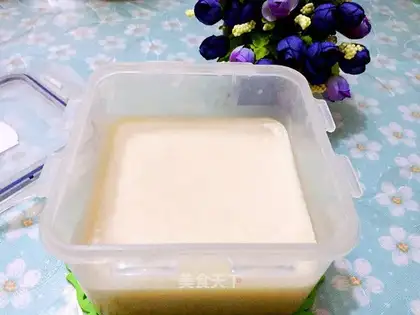 Pig oil"
 Spaghetti beans"
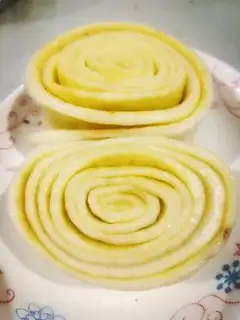 Ginger and yellow rolls"
 Pork soup"
 Take the chicken leg fort"
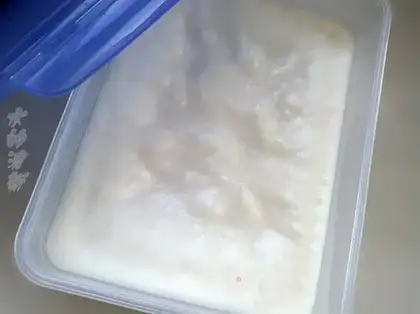 skilfully refined lard"
 Lucky money balls"
 Self-refining pig oil"
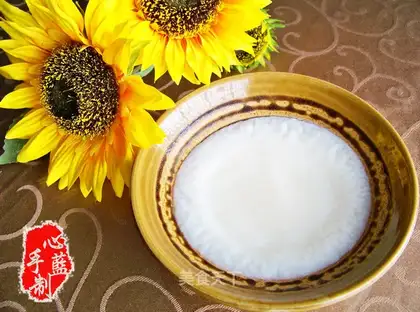 Self-refined lard"
 New ice cream"