Mayonnaise, a creamy and versatile condiment, is surprisingly easy to make at home with just a few basic ingredients. The key lies in emulsifying oil into an egg base, resulting in a rich, stable sauce. Here’s a step-by-step guide to mastering classic mayonnaise and its popular variations.
Classic Mayonnaise
Start with 1 large egg yolk (at room temperature) and 1 teaspoon of Dijon mustard in a bowl. Whisk briefly to combine. Slowly add 1 cup of neutral oil (like canola or grapeseed) drop by drop while whisking vigorously. Once the mixture begins to thicken, you can stream in the remaining oil in a thin, steady stream. Continue whisking until the mayo is thick and creamy. Season with 1 tablespoon of lemon juice or vinegar, a pinch of salt, and a dash of sugar (optional) to balance flavors.
Flavor Variations
For garlic mayo, mince 1-2 cloves and whisk them into the yolk before adding oil. Chipotle mayo blends in 1-2 finely chopped chipotle peppers in adobo sauce. Herb mayo incorporates finely chopped fresh dill, parsley, or tarragon at the end. Vegan mayo substitutes the egg yolk with 2 tablespoons of aquafaba (chickpea brine) and uses the same emulsification method.
Tips for Success
Use fresh, high-quality ingredients for the best flavor. Ensure all tools are grease-free to prevent emulsion failure. If the mixture separates, slowly whisk in 1 teaspoon of warm water to rebind. Homemade mayo lasts up to a week in the refrigerator and elevates sandwiches, salads, and dips with its fresh, vibrant taste.
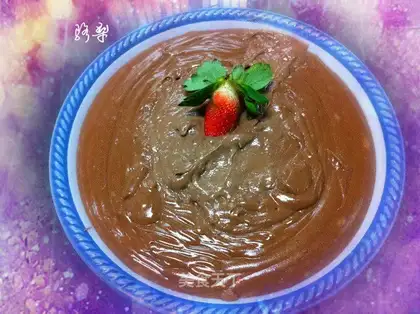 Chocolate mayo"
 Mayo souffle bread"
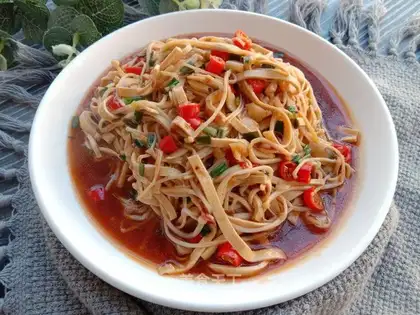 Thousands of golden needles and mushrooms"
 Manual pumpkin bag"
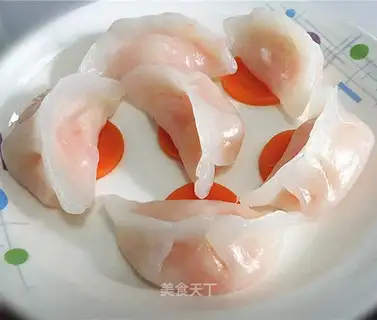 Crystal shrimp dumplings"
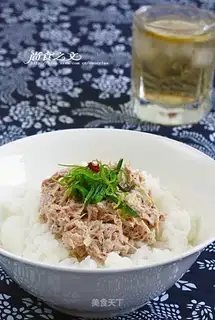 tuna rice with mayonnaise"
 Tomato eggs hanging"
 Vegetable rolls"
 Spicy fish"
 The monkeys"
 New Orleans"
 Pork pie"
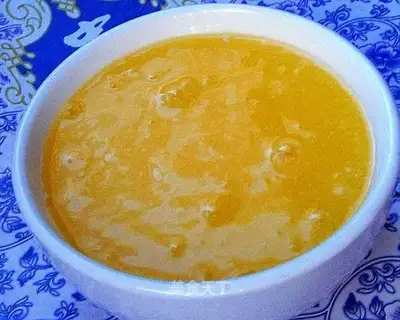 Mayo"
Mayo"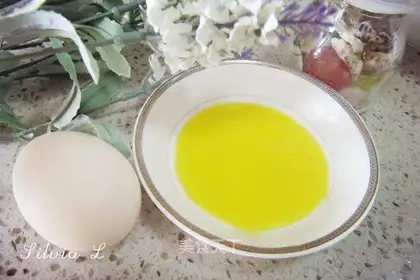 Mayo"
Mayo"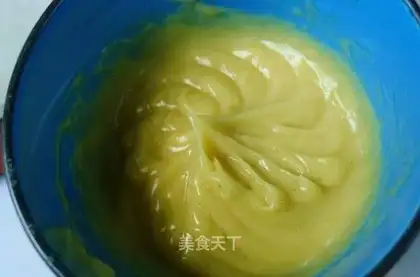 Homemade mayonnaise"
 Fishball soup"
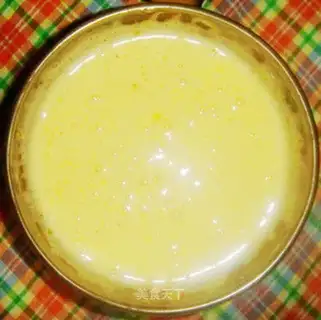 mayonnaise"
 The cabbage crab willowballs"
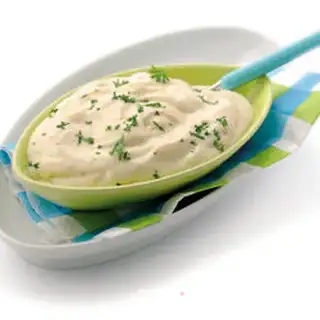 Homemade garlic mayo"
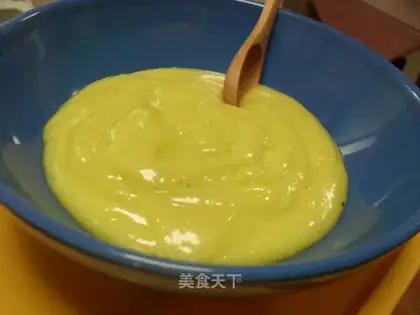 Mayo"
Mayo"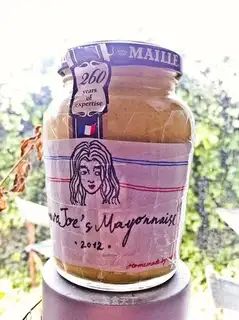 mayonnaise"