In Chinese culture, "Wu Fu Lin Men" (五福临门), or "Five Blessings Arrive at the Home," symbolizes a life of prosperity, health, virtue, longevity, and a peaceful death. These blessings, rooted in Taoism and folklore, are celebrated through traditions that blend symbolism, ritual, and mindful living. Here’s a guide to embracing them.
First, Fu (福), blessings of good fortune. Display the Chinese character "福" (fu) upside down on doors, as "upside down" (倒, dao) sounds like "to arrive" (到, dao), inviting luck. Red paper cuttings of fu or peach wood charms ward off evil.
Second, Lu (禄), prosperity and success. Place a kumquat tree ("lu" sounds like "fortune") or a Ru Yi (scepter) in the living room to symbolize career growth. Wear jade accessories, believed to attract wealth and opportunity.
Third, Shou (寿), longevity. Serve longevity noodles (unbroken noodles) during birthdays or New Year, and display peaches or cranes (emblems of long life). Elders receive red envelopes with health wishes.
Fourth, Xi (喜), joy and happiness. Hang red lanterns and couplets during festivals, especially weddings. Share sweet foods like tangyuan (glutinous rice balls) to foster family harmony.
Fifth, De (德), virtue and morality. Practice kindness—volunteer, donate, or resolve conflicts peacefully. Teach children filial piety; a virtuous heart is believed to attract blessings.
By integrating these customs, families honor tradition and cultivate an environment where all five blessings flourish, making "Wu Fu Lin Men" more than a saying—a way of life.
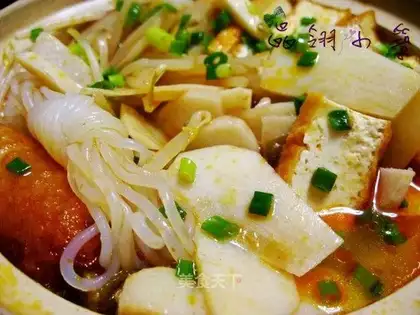 Xiangtaro Duofu Pot"
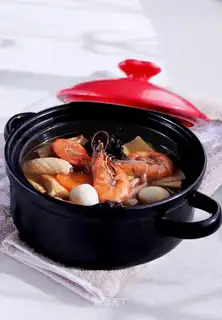 Wufu tofu pot"
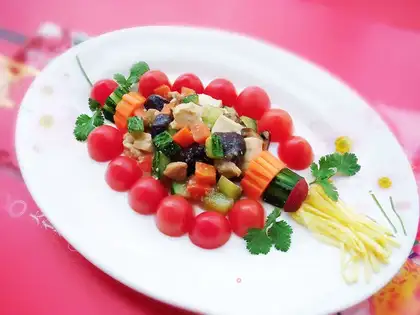 Colorful Palace Lantern Tofu"
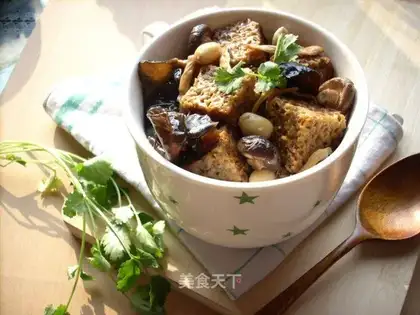 Sixi Roast Bran"
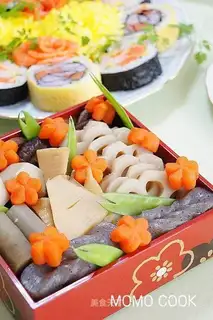 Japanese-style root vegetable mixed cooking"
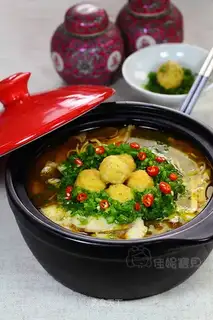 Fish pot in golden soup and tofu"
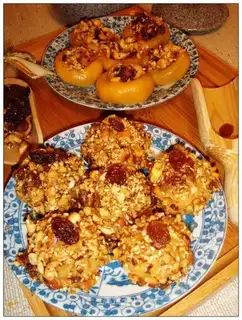 Five-flavor nut glutinous rice balls"
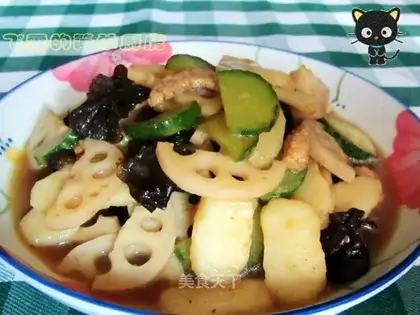 five blessings"
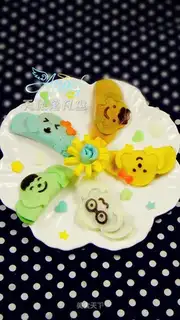 Wufu egg dumplings"
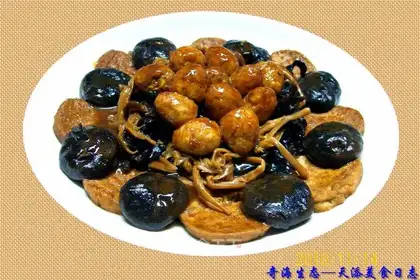 five blessings"
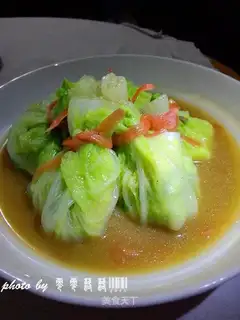 Cabbage dumplings"
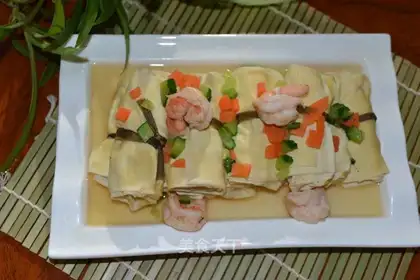 Bean rolls"
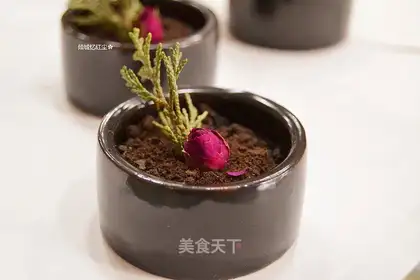 Battery yogurt"
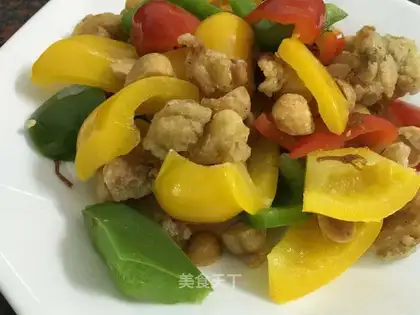 Fried cranberry bone"
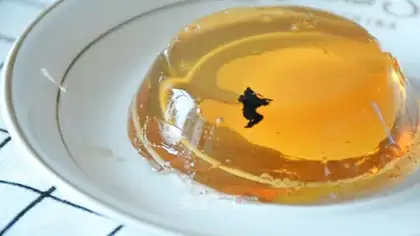 Ulong tea and jelly"
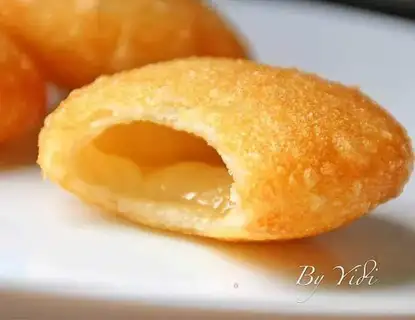 Henan's little baker"
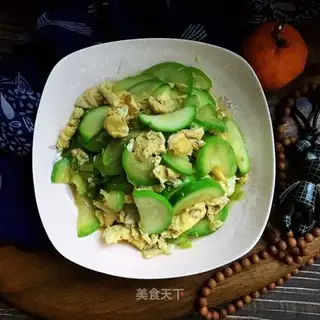 Cracker eggs"
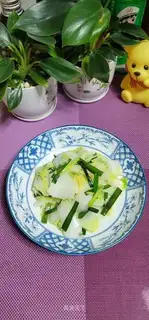 It's so white"
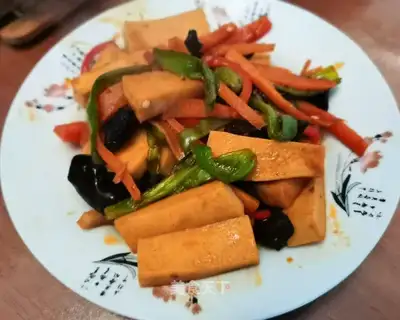 Fish fragrance tofus"