Chinese New Year’s Eve, or "Chuxi," is the heart of the Spring Festival, and no celebration is complete without the reunion dinner, a cherished tradition symbolizing unity and prosperity. Central to this feast is the dish "ji dà ji dà lì" (大吉大利), a playful homophonic twist on "great luck and great fortune," embodied by the star of the table: chicken.
In Chinese culture, chicken (鸡, jī) sounds identical to "luck" (吉, jí), making it an indispensable symbol of good fortune. Families often prepare a whole steamed chicken, its golden hue representing wealth and its intact signifying completeness. This dish is not just food; it’s a wish for the new year—that every meal brings joy, every endeavor succeeds, and every family member thrives.
Beyond chicken, the table overflows with symbolic dishes: fish (鱼, yú) for "surplus" (余), dumplings (饺子, jiǎozi) shaped like ancient gold ingots for wealth, and sweet rice cakes (年糕, niángāo) for "higher achievements" (年年高). Elders share stories of past years, while children receive red envelopes, their laughter mingling with the aroma of traditional recipes.
More than a meal, the reunion dinner is a tapestry of love and tradition. As families gather around the table, passing dishes and sharing blessings, the phrase "大吉大利" comes alive—not just in the food, but in the warmth of togetherness, ensuring a year filled with luck, happiness, and harmony.
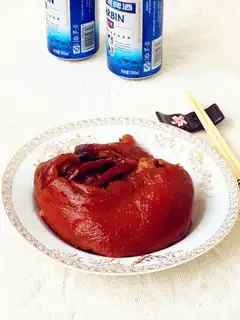 Back to the elbow"
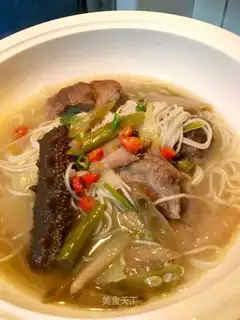 Pickle ribs, cucumber"
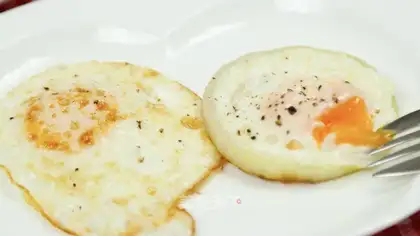 Fried eggs"
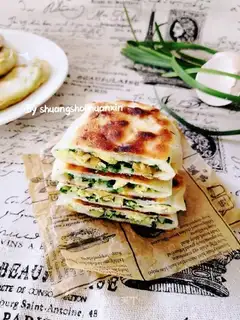 An egg box of celery"
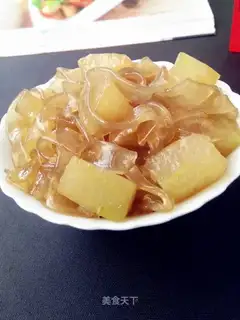 Powder"
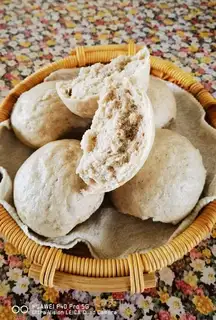 Soybean"
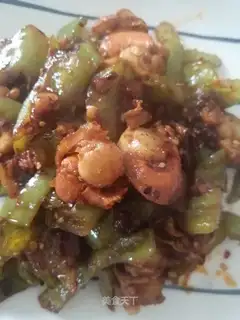 Spicy scallops"
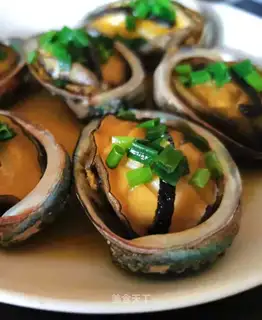 Abalone"
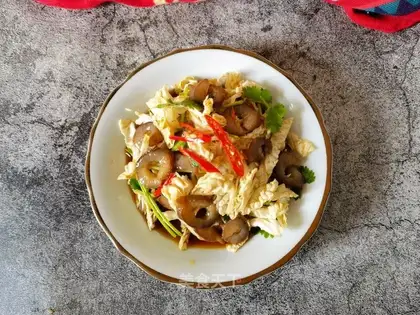 The cabbage and the sea cucumber"
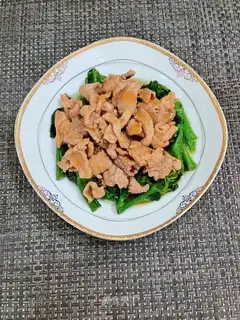 Blue mustard"
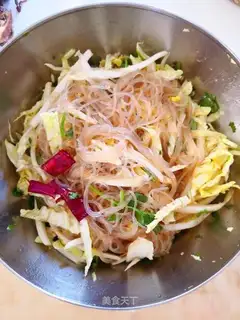 A cabbage fan"
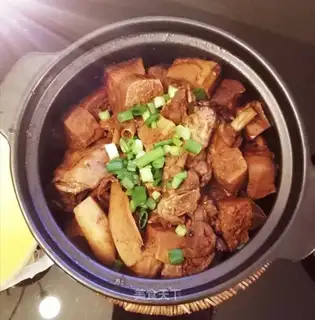 Dried duck beans"
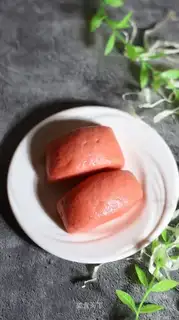 Red buns"
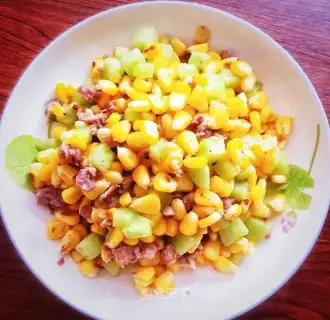 Meat corn"
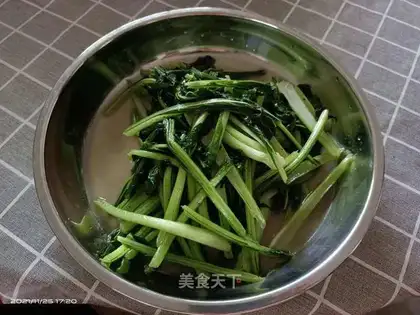 Clear the cabbage"
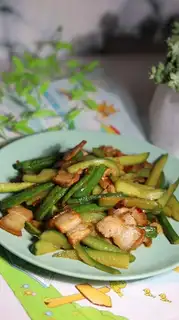 Five flowers, cucumber"
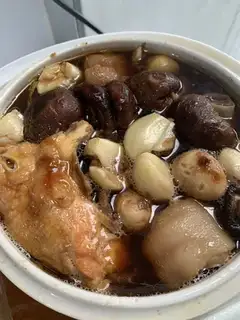 Family version of the Buddha Jump Wall"
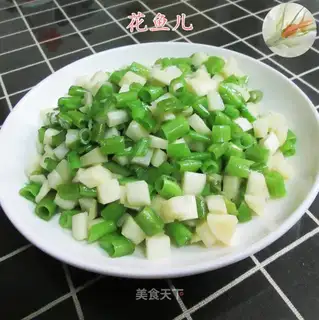 It's empty"
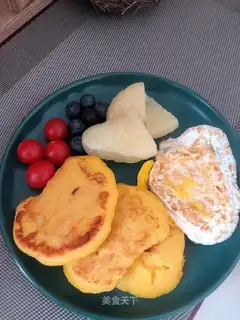 Fried buns"
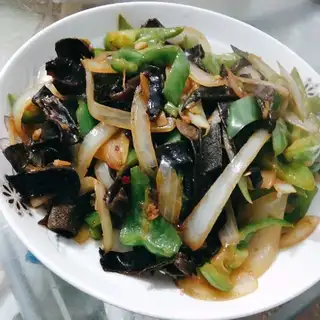 Pepper onion fried wood"
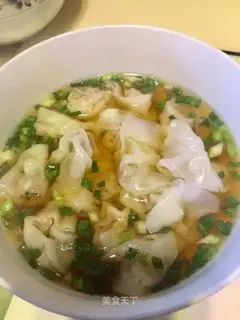 Fresh meat"
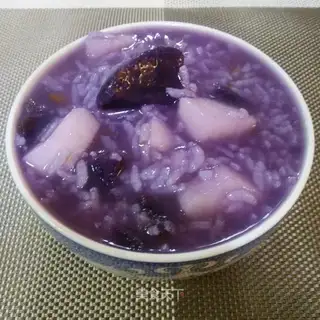 Potato mountain porridge"
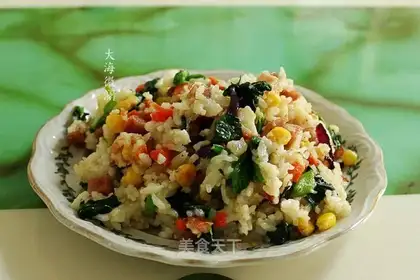 Vegetable sausage rice"
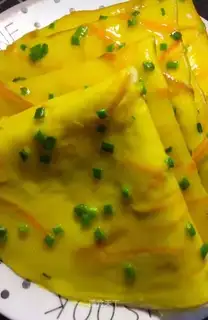 Carrot onions"
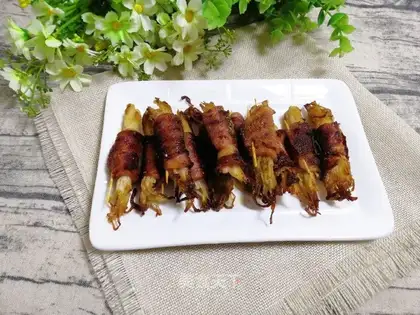 Bacon golden mushrooms"
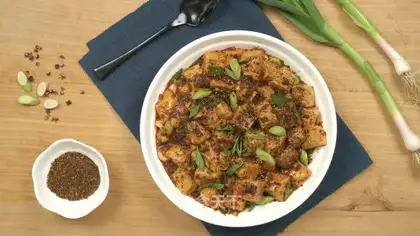 Tofu"
Tofu"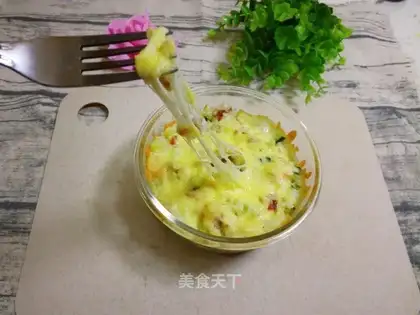 Bacon rice"
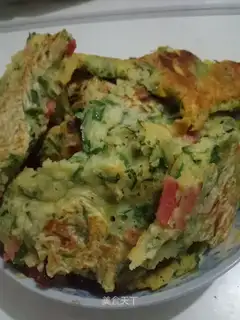 Cream eggs"
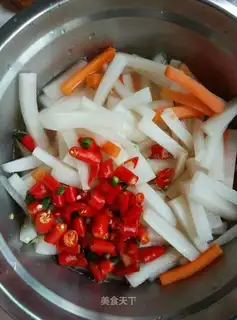 Sour chili"
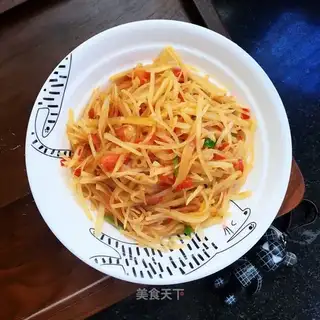 Potatoes and potatoes"
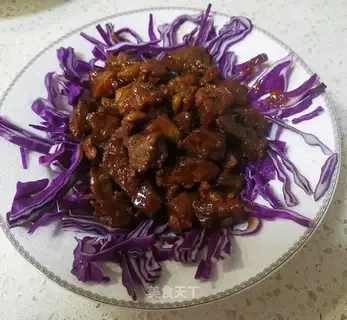 Spicy beef"
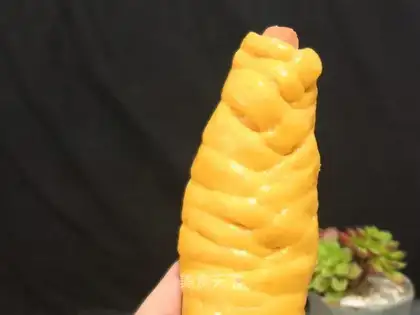 Pumpkin screws"