Chinese New Year’s Eve reunion dinner, or *Nian Ye Fan*, is more than a meal—it’s a vibrant tapestry of tradition, where every dish whispers wishes for prosperity and joy. Central to this celebration is the concept of "Wu Fu Lin Men" (五福临门), the arrival of five blessings: longevity, wealth, health, virtue, and a peaceful death. Symbolism reigns supreme on the table, weaving these blessings into every bite.
Steamed fish, *yu*, is a must, as its name sounds like "surplus," promising abundance for the year ahead. Glutinous rice cakes, *nian gao*, signify "higher achievements" in work or life, while plump dumplings shaped like ancient gold ingots symbolize wealth. Juicy oranges and tangerines, with their golden hue and lucky homophones, adorn the table, representing good fortune and family harmony. Even the arrangement matters: a whole chicken with head and tail intact symbolizes completeness, while longevity noodles—unbroken and extra long—wish for a long, healthy life.
As families gather, laughter mingles with the clink of chopsticks, and the feast becomes a conduit for hope. Each dish is a blessing, each flavor a promise. In this warm, shared moment, Wu Fu Lin Men is not just a saying—it’s a heartfelt wish, served with love, ensuring the new year begins with luck, unity, and the sweet taste of togetherness.
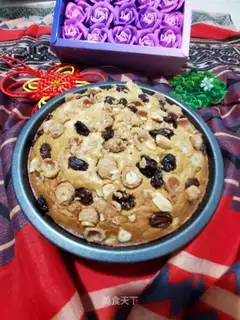 Banana raisin cake"
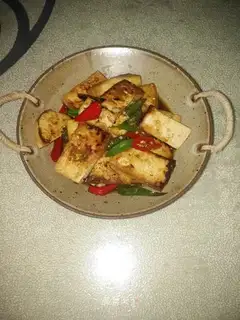 Pepsi tofu"
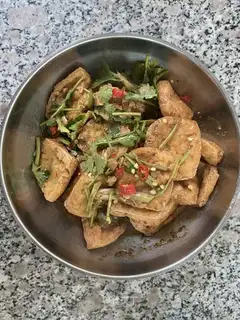 A simple version of fried tofu"
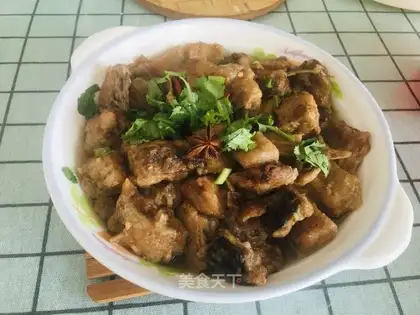 Steam fish"
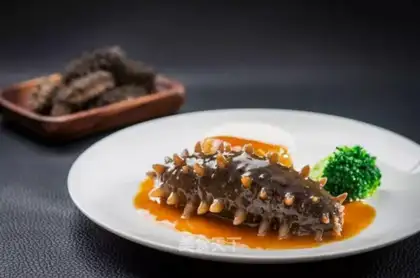 Baldrin"
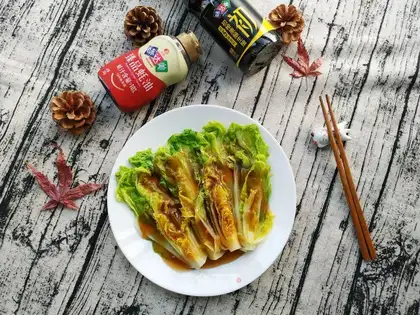 The neptunium dolls"
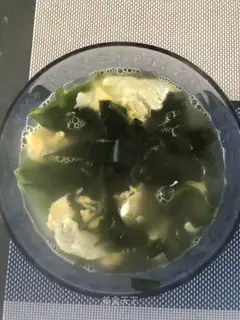 Fried omelet sprouts"
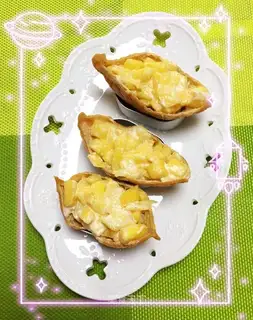 Mango oil"
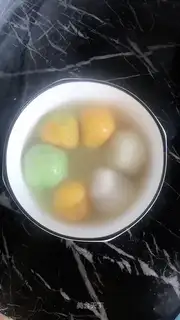 Yuen"
Yuen"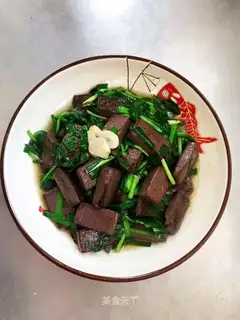 Pork blood"
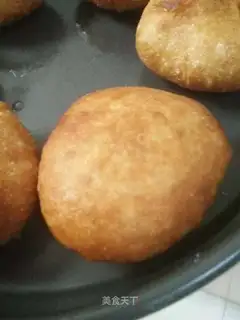 Candy loaf"
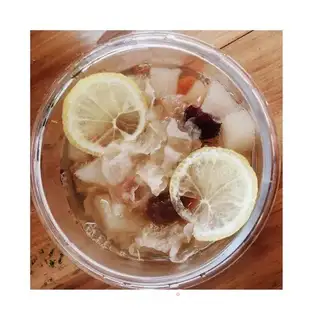 Silver Syllee's curry"
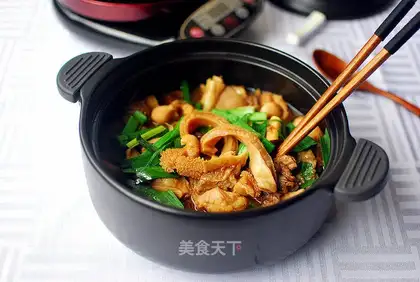 I don't know"
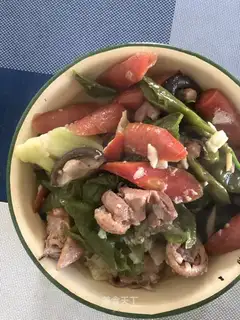 Carrot clears the rooster"
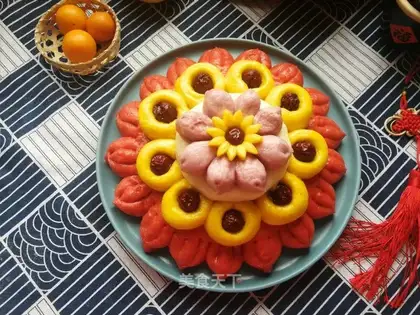 Twenty-eight dates"
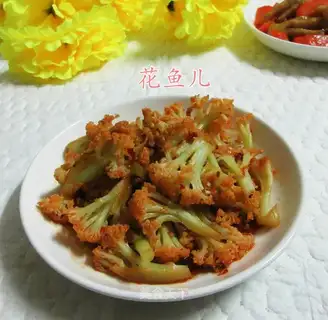 Dry casserole"
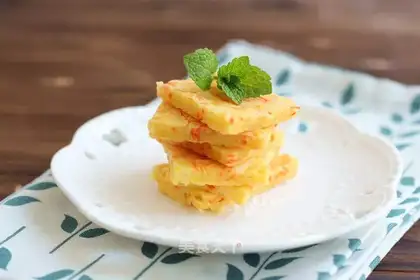 Carrot potatoes"
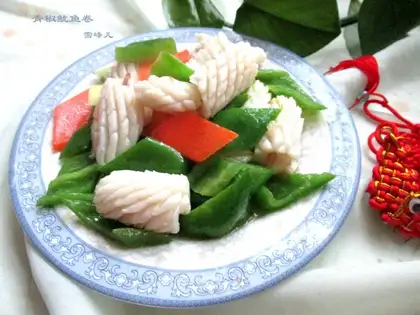 Five-colored squid flowers"
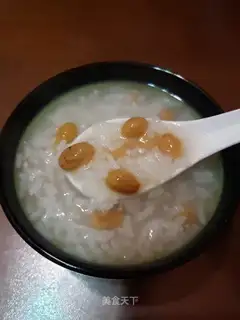 Porridge raisin"
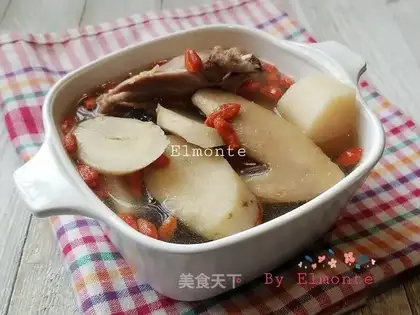 Cow-Cow-Choose-Choose Chicken"
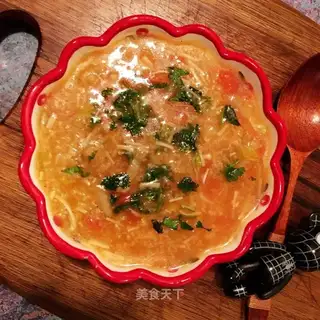 Porridge for the meat and tomatoes"
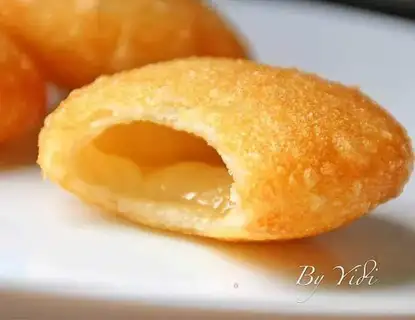 Henan's little baker"
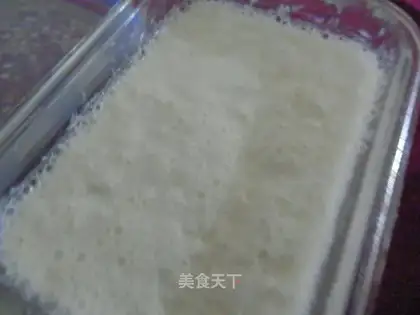 Homemade yogurt"
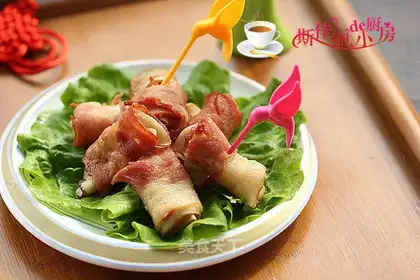 Apricot bacon roll"
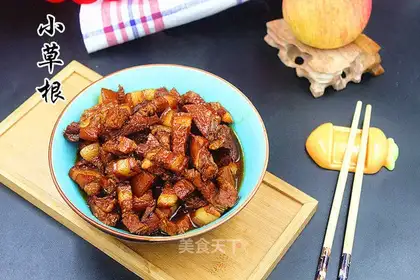 Scrawny meat"
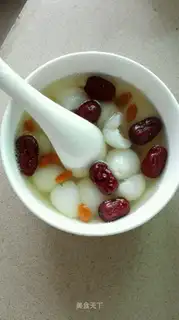 Fresh sugar"