Chinese New Year’s Eve reunion dinner, or "Nianye Fan," is more than a meal—it’s a heartfelt ritual steeped in symbolism, with "年年有余" (nián nián yǒu yú, "surplus year after year") as its cherished core. At its center lies the fish, a mandatory dish whose name, "鱼" (yú), homophonously echoes "余" (yú, surplus). To ensure this abundance, the fish is often served with head and tail intact, symbolizing a complete, prosperous year from start to finish. Diners deliberately leave some fish uneaten, literally "saving the surplus" for the coming year, a tangible wish for sufficiency and luck.
Beyond fish, the table overflows with auspicious foods: dumplings shaped like ancient gold ingots, sweet rice cakes for "higher income," and long noodles representing long life. Each dish is a prayer—for family unity, good fortune, and continuity. As generations gather—grandparents teaching children to wrap dumplings, cousins sharing laughter—the meal becomes a bridge between past and future. It’s not just about filling stomachs, but filling hearts with gratitude and hope. In this way, the reunion dinner transcends sustenance; it’s a living tradition, where every bite reaffirms the promise of abundance, and every gathering strengthens the bonds that make "surplus" truly meaningful: love, togetherness, and the joy of starting anew.
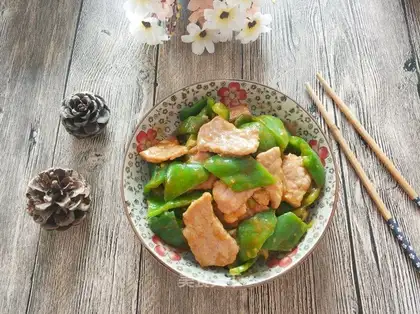 Pepper meat"
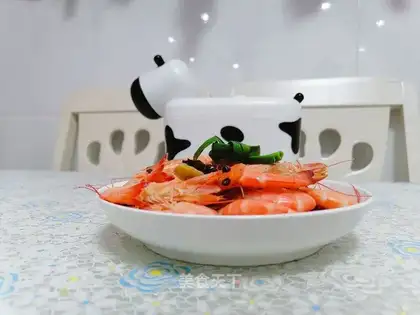 Salt shrimp"
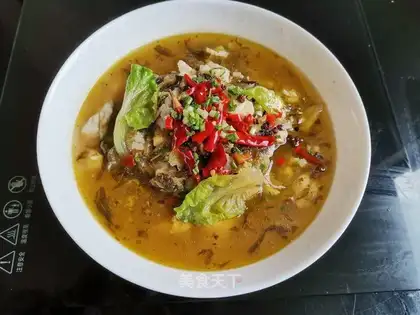 Sourfish"
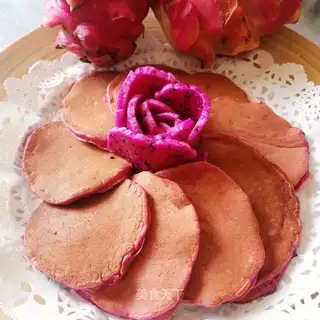 Flamingo muffin"
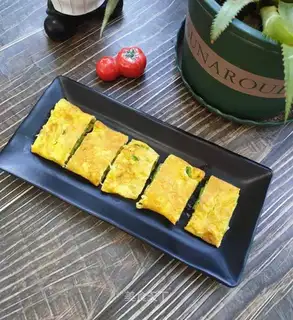 Cucumber egg rolls"
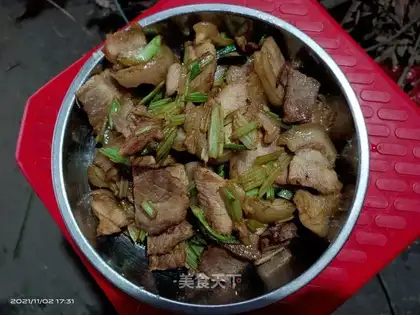 Pork celery"
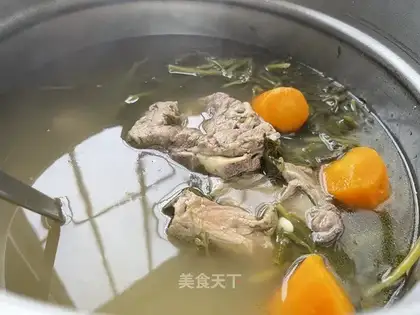 Piggy soup"
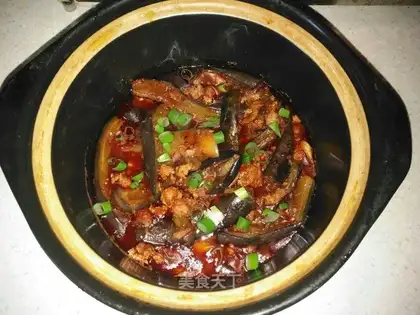 Fish and pork and eggplant"
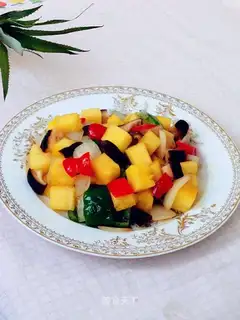 Pineapple"
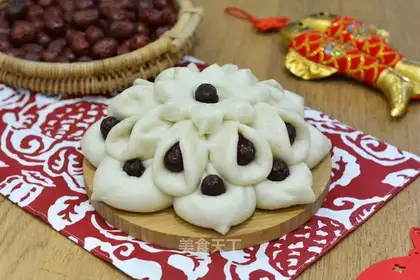 The dates"
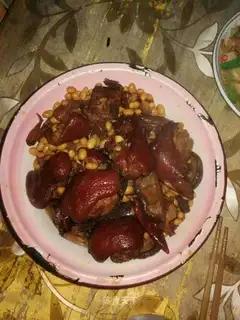 Red burning pig hoof"
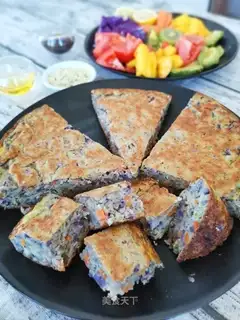 Pyramid veggie pie"
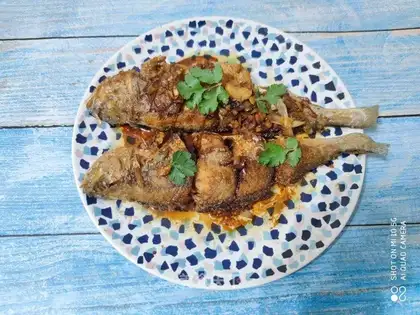 Red and yellow"
 I'll be back"
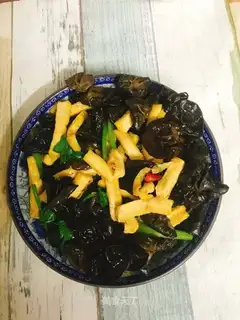 Zen-dried wood"
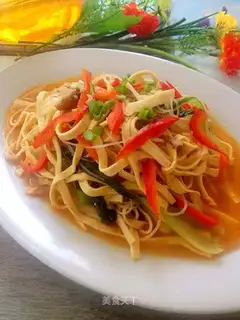 Frozen fan bean-skin mushrooms"
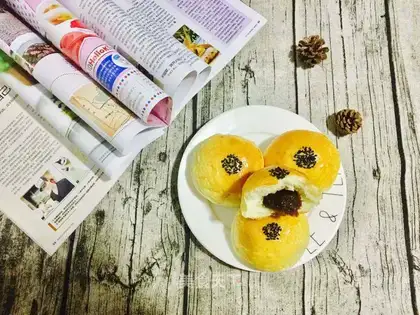 Red Bean Kit"
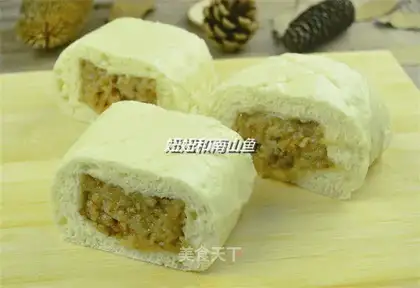 Rice rolls"
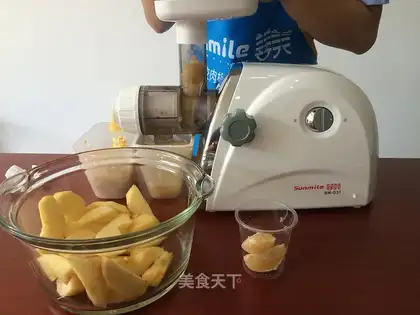 Apple lemonade"
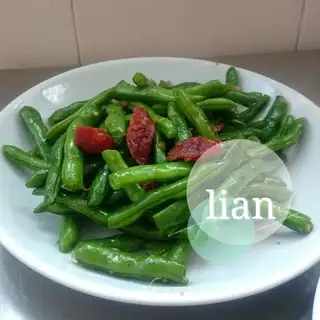 Weenie fried beans"
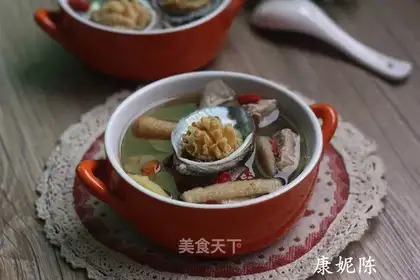 Fresh abalone skinny broth"
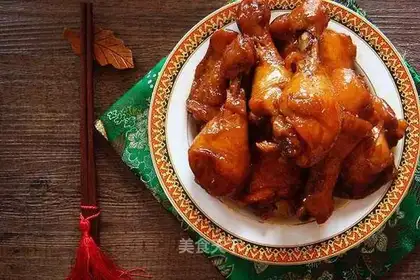 My chicken leg"
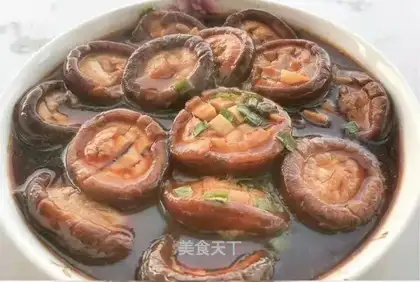 Sphinx"
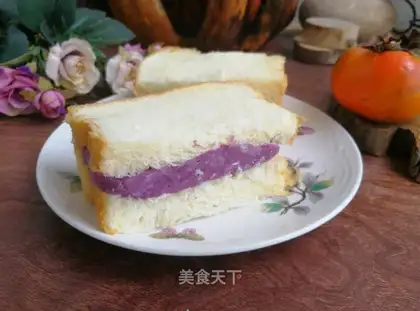 Potato mashed sandwich"
 Shelby Fire Dragon Juice"
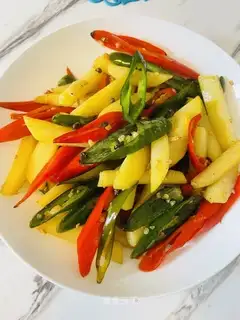 Potato chips"
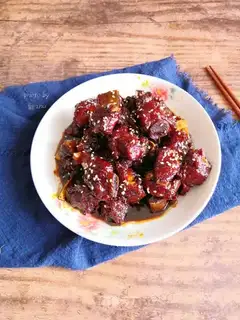 Sugar vinegar ribs"
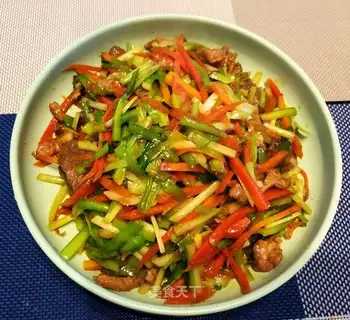 Beef roasted with yellow carrots"
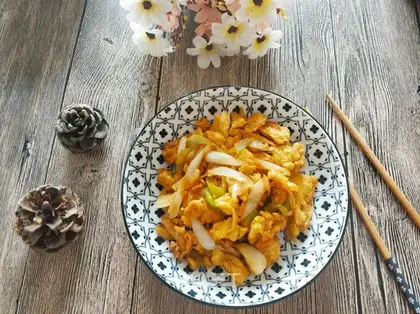 Onion fried eggs"
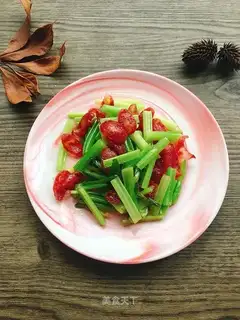 Celery sausage"
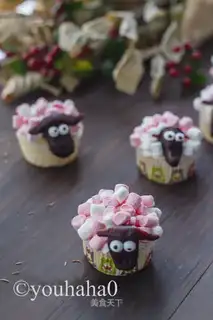 Little lamb cake"
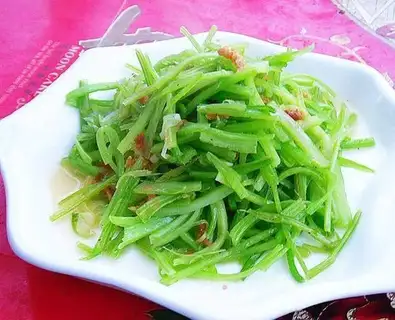 Shrimp fried celery"
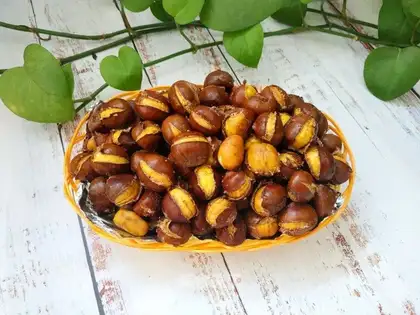 Sugar roasted chestnuts"
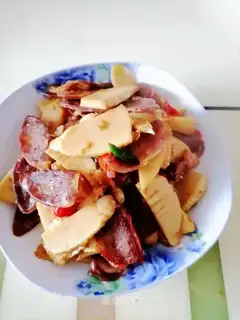 Weenies in winter"