salty and fresh Recipe
MarquiseBeier
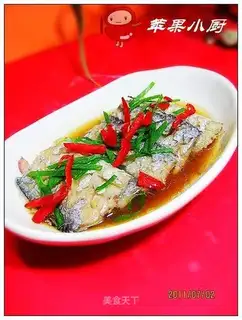
Fujian cuisine has been developed in Fuzhou, Quanzhou, Xiamen and other places, and is represented by Fuzhou cuisine. With seafood as the main raw material, we pay attention to sweet, sour, salty, delicious and fresh color. Although steamed hairtail is also found in other cuisines, it also reflects its own strengths and characteristics in Fujian cuisine. <br />I thought that steamed hairtail could not be imported, because we can't see fresh hairtail all year round in our local area. They are all frozen products, and our family also hates eating hairtail the most. Unexpectedly, the fish steamed according to this method would not have any fishy smell at all and would be very delicious.
TheodoraKub
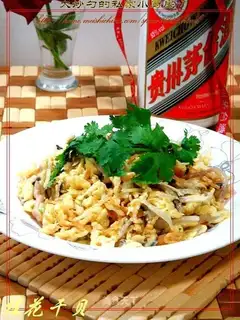
Fujian is home to outstanding people. The beautiful Wuyi Mountain in northern Fujian was once the place where "Peng Zu" cultivated in his later years. "Peng Zu" is named "Peng Keng" and is the pioneer of my country's cooking industry, as well as the pioneer of health preservation, sexology, and martial arts in China. <br />"Peng Zu" was originally from Xuzhou and lived during the period of Emperor Yao. He was the first person to invent the "harmony of five flavors". In prehistoric times, ancient humans in China only knew the use of cooking, that is, cooking or roasting food to eat. However, since Peng Zu invented the method of blending the five flavors, it gradually led people to civilized society. <br />At that time, Peng Zu once used the method of blending five flavors to cook a can of pheasant he raised and presented it to Emperor Yao for tasting. After Emperor Yao ate it, he felt that it was really a delicious food given by heaven. He was amazed that the taste was extremely delicious! This is because God gave me Peng Zu so that I can eat such the best delicacy in the world! With great joy, Pengcheng was awarded to Peng Zu, which is now in Xuzhou, with an official position equivalent to the current governor position, haha! <br />From then on, Chinese cuisine has a "tune", which is in harmony with cooking, and is called "cooking". Cooking is cooked, and blending is the harmony of the five flavors. Since then, delicious food has gradually entered people's lives. <br />Since Peng Zu promoted the "cooking" technique he invented, people's diet has been greatly improved and people's health has been guaranteed. Compared with ancient times, its delicious and nutritious food is even more important. He has passed down this "method of blending the five flavors" from generation to generation, making China's food and cooking the best in the world! <br />In order to commemorate Peng Zu, later generations built monuments and built temples for him. The Pengzu Temple has continued to have incense for thousands of years. The picture of Pengzu's pheasant in the temple tells the story of Pengzu making chicken soup for Emperor Yao. <br />During his life, Peng Zu had more than 50 children. In his later years, he resigned from his official position and came to the beautiful Wuyi Mountain in Fujian to cultivate. He established China's theory of health preservation, sexology and laid the foundation for fitness and fighting cultivation in the early days of Chinese martial arts. <br />It is said that Peng Zu lived for more than 800 years, but I have read many historical materials. His approximate life expectancy is between 140 and 150 years old. To this day, he is a long-lived old man who has never been seen before and after! From Peng Zu until the Qin and Han Dynasties, people always regarded Peng Zu as a god and worshipped him greatly! <br />Fujian is the second hometown of "Peng Zu". The people there have been influenced and influenced by their culinary ancestors, which has further promoted Chinese food culture. There are many Fujian-born chefs overseas, and there are several friends I know. Under their influence, I can barely make several Fujian stir-fried dishes. Today, I will make another quick stir-fry of Fujian cuisine, called "osmanthus scallops". The main recipes are as follows;
LeopoldoJast
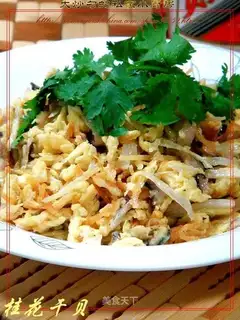
Fujian is home to outstanding people. The beautiful Wuyi Mountain in northern Fujian was once the place where "Peng Zu" cultivated in his later years. "Peng Zu" is named "Peng Keng" and is the pioneer of my country's cooking industry, as well as the pioneer of health preservation, sexology, and martial arts in China. <br />"Peng Zu" was originally from Xuzhou and lived during the period of Emperor Yao. He was the first person to invent the "harmony of five flavors". In prehistoric times, ancient humans in China only knew the use of cooking, that is, cooking or roasting food to eat. However, since Peng Zu invented the method of blending the five flavors, it gradually led people to civilized society. <br />At that time, Peng Zu once used the method of blending five flavors to cook a can of pheasant he raised and presented it to Emperor Yao for tasting. After Emperor Yao ate it, he felt that it was really a delicious food given by heaven. He was amazed that the taste was extremely delicious! This is because God gave me Peng Zu so that I can eat such the best delicacy in the world! With great joy, Pengcheng was awarded to Peng Zu, which is now in Xuzhou, with an official position equivalent to the current governor position, haha! <br />From then on, Chinese cuisine has a "tune", which is in harmony with cooking, and is called "cooking". Cooking is cooked, and blending is the harmony of the five flavors. Since then, delicious food has gradually entered people's lives. <br />Since Peng Zu promoted the "cooking" technique he invented, people's diet has been greatly improved and people's health has been guaranteed. Compared with ancient times, its delicious and nutritious food is even more important. He has passed down this "method of blending the five flavors" from generation to generation, making China's food and cooking the best in the world! <br />In order to commemorate Peng Zu, later generations built monuments and built temples for him. The Pengzu Temple has continued to have incense for thousands of years. The picture of Pengzu's pheasant in the temple tells the story of Pengzu making chicken soup for Emperor Yao. <br />During his life, Peng Zu had more than 50 children. In his later years, he resigned from his official position and came to the beautiful Wuyi Mountain in Fujian to cultivate. He established China's theory of health preservation, sexology and laid the foundation for fitness and fighting cultivation in the early days of Chinese martial arts. <br />It is said that Peng Zu lived for more than 800 years, but I have read many historical materials. His approximate life expectancy is between 140 and 150 years old. To this day, he is a long-lived old man who has never been seen before and after! From Peng Zu until the Qin and Han Dynasties, people always regarded Peng Zu as a god and worshipped him greatly! <br />Fujian is the second hometown of "Peng Zu". The people there have been influenced and influenced by their culinary ancestors, which has further promoted Chinese food culture. There are many Fujian-born chefs overseas, and there are several friends I know. Under their influence, I can barely make several Fujian stir-fried dishes. Today, I will make another quick stir-fry of Fujian cuisine, called "osmanthus scallops". The main recipes are as follows;