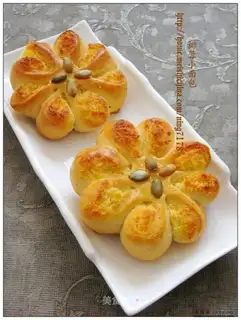
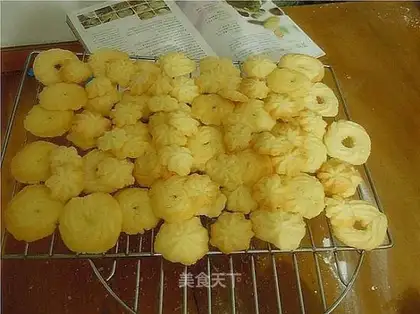
milk fragrance Recipe
MadysonRitchie
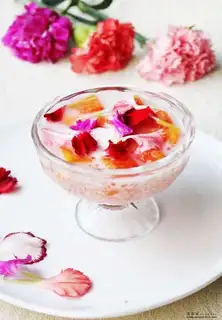
Three steps to eating flowers<br /> First, choose fresh and pure flowers. <br />1. Try to choose flowers that are not contaminated with pesticides. If they are contaminated with pesticides, they must be cleaned and treated;<br /> 2. Try to choose flowers that have just bloomed. <br />Second, soak the flowers before cooking. Remove the entire flower, remove the calyx, remove the petals one by one, and soak in clear water for 2 - 3 hours. <br />Finally, choose the appropriate cooking method. <br />Scented tea: Dry the flowers and drink them. <br />Practice: Remove the calyx and pedicels from the buds or newly opened flowers, spread the corolla down into a thin layer, and dry it with slow fire or oven. Turn it over from time to time when drying to ensure uniform heating. After drying, place it in an airtight container and place it in the refrigerator for refrigeration. When drinking, brew directly with hot water, and add rock sugar, honey, etc. to increase the sweetness. <br />Applicable flower species: roses, chrysanthemums, lotus flowers, sweet-scented osmanthus, water lilies, camellia, jasmine, pear flowers, gardenia, lavender flowers, cherry blossoms, etc. <br />Flower wine: Soak flowers or dried petals into the wine. <br />Practice: Soak the petals in salt water for 2 hours, remove astringency and sterilize, then pick up and dry in the shade, add them to white wine, and add appropriate amount of rock sugar. After sealing, place it in a cool place for 2 - 3 months to fully integrate the fragrance and color of the flowers with the wine before opening it for drinking. Applicable flower species: chrysanthemum, dandelion, osmanthus, jasmine, rose, orchid, plum blossom, camellia, cherry blossom, lotus, magnolia, pansy, etc. <br />Flower porridge: Mix the petals with rice and water to make porridge. <br />Practice: Soak the petals in salt water for 2 hours, remove astringency and sterilize, and then add rice and water to boil.