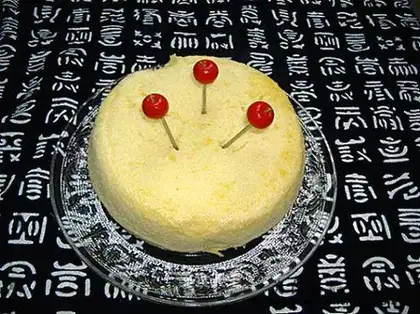
milk fragrance Recipe

LiaKlocko
Buckwheat is rich in nutrients. According to analysis, its grains contain 7.94%~17.15%, fat 2.00%~3.64%, starch 67.45%~79.15%, and cellulose 1.04%~1.33%. Japanese scholars have reported that the nutritional value index of buckwheat is 80 - 92 (70 for wheat and 50 for rice). <br />According to an analysis of the nutritional composition of my country's main grains by the Institute of Health of China Academy of Medical Sciences, the protein content of buckwheat flour is significantly higher than that of rice, millet, wheat, sorghum, corn flour and rice cake. Buckwheat flour contains 18 amino acids, and the amino acid composition is similar to that of legume protein. The fat content is also higher than that of rice, wheat flour and tsampa. Buckwheat fat contains 9 kinds of fatty acids, of which oleic acid and linoleic acid have the largest content, accounting for 75% of the total fatty acids. It also contains 19% palmitic acid and 4.8% linolenic acid. In addition, it also contains organic acids such as citric acid, oxalic acid and malic acid. Buckwheat also contains trace amounts of calcium, phosphorus, iron, copper, zinc, trace elements such as selenium, boron, iodine, nickel, cobalt, etc., as well as a variety of vitamins: Vb, Vb2, Vc, Ve, VPP, VP, among which VP(rutin), chlorophyll are not contained in other cereal crops. The nutritional components of buckwheat grains vary according to different varieties and cultivation conditions. These substances play an important role in the physiological metabolism of the human body. With the development of modern science and technology, the improvement of people's quality of life, and the high-quality and diversification of food, buckwheat is increasingly favored by people as a healthy food.
MurphyGreenfelder
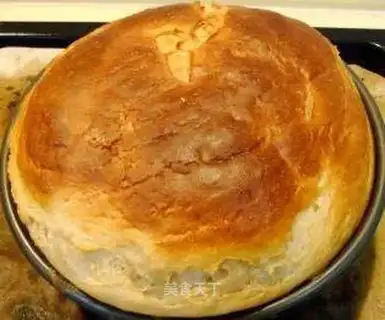
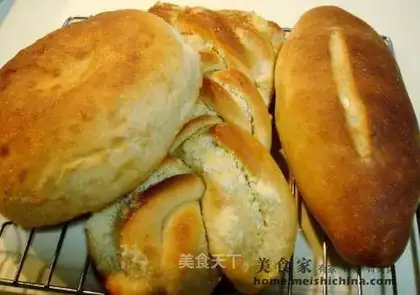
The characteristics of Russian bread: rough, affordable, less oily, durable, and not prone to spoilage. The most representative one is "Daliba". <br /><br />Although the famous Russian-style "Black Lieba" is not very good-looking, it is very nutritious and is rare now. "Leba" can be divided into white flour, black flour and whole wheat. The production process can be divided into old noodle fermentation method, seed noodle fermentation method and new noodle secondary fermentation method. It can be used during baking, including large spatula baking, baking sheet baking and mold baking. In the past, in Russian bakeries, most of these lepa breads, which were made as a staple food, did not add oil. What they needed was the aroma of wheat and the original aroma of yeast. This was similar to some French breads, but it was not as exquisite as others. However, its size was large and rough, and it was a representative of Eastern European bread.