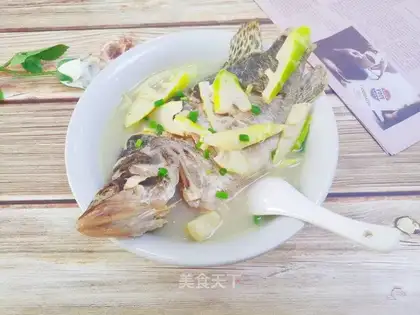
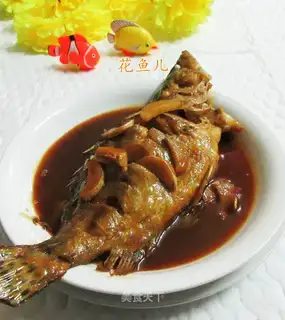
Mandarin fish (Siniperca chuatsi), a prized freshwater fish native to East Asia, has long been celebrated in Chinese cuisine for its delicate flavor, tender flesh, and cultural significance. Known as “Gui Yu” in Mandarin, it is often featured in banquets and festive dishes, symbolizing prosperity and abundance. Beyond its culinary appeal, mandarin fish is a nutritional powerhouse, offering a wealth of health benefits. However, like many foods, it must be consumed with awareness of potential precautions. This article explores the nutritional value, health benefits, and dietary considerations of mandarin fish, providing a comprehensive guide for enthusiasts and health-conscious individuals alike.
I. Nutritional Value of Mandarin Fish
Mandarin fish is a nutrient-dense food, rich in high-quality protein, essential vitamins, and minerals, while being relatively low in fat. Its nutritional profile makes it an excellent addition to a balanced diet.
1. High-Quality Protein
Protein is the building block of life, essential for muscle repair, immune function, and overall growth. Mandarin fish is an exceptional source of complete protein, containing all nine essential amino acids that the human body cannot synthesize on its own. A 100-gram serving of cooked mandarin fish provides approximately 20 grams of protein, making it comparable to other lean proteins like chicken breast or tofu. This high protein content is particularly beneficial for athletes, individuals recovering from illness, or those looking to maintain muscle mass.
2. Healthy Fats and Omega-3 Fatty Acids
While mandarin fish is relatively lean, it contains beneficial fats, including omega-3 fatty acids such as eicosapentaenoic acid (EPA) and docosahexaenoic acid (DHA). These polyunsaturated fats are renowned for their anti-inflammatory properties and support for heart and brain health. Omega-3s help reduce triglycerides, lower blood pressure, and decrease the risk of cardiovascular disease. They also play a crucial role in cognitive function, making mandarin fish a smart choice for maintaining mental clarity as we age.
3. Essential Vitamins
Mandarin fish is a good source of several key vitamins:
- Vitamin B12: Vital for nerve function and the production of red blood cells, a deficiency of which can lead to anemia or neurological issues.
- Vitamin D: Supports calcium absorption, bone health, and immune regulation. While sunlight is the primary source, dietary sources like mandarin fish are important, especially for those with limited sun exposure.
- Vitamin A: Essential for vision, immune function, and skin health. Mandarin fish contains preformed vitamin A (retinol), which is more easily utilized by the body than plant-based sources like beta-carotene.
4. Minerals
The fish is also rich in essential minerals:
- Selenium: A powerful antioxidant that protects cells from damage, supports thyroid function, and boosts the immune system.
- Phosphorus: Works with calcium to maintain strong bones and teeth, and is involved in energy production and cell repair.
- Potassium: Helps regulate blood pressure, fluid balance, and muscle contractions. Adequate potassium intake is linked to a reduced risk of stroke and heart disease.
- Iron: Critical for oxygen transport in the blood and preventing iron-deficiency anemia, especially important for women and children.
II. Health Benefits of Mandarin Fish
The combination of macronutrients and micronutrients in mandarin fish contributes to a range of health benefits, making it more than just a delicious meal.
1. Supports Cardiovascular Health
The omega-3 fatty acids in mandarin fish are its most well-documented health benefit. These fats help reduce inflammation in blood vessels, lower LDL (“bad”) cholesterol, and increase HDL (“good”) cholesterol. By improving lipid profiles and reducing the risk of atherosclerosis (hardening of the arteries), regular consumption of mandarin fish may lower the risk of heart attacks and strokes. Additionally, its low saturated fat content makes it a heart-healthy alternative to fatty red meats.
2. Enhances Brain Function and Mental Health
DHA, a type of omega-3 found in mandarin fish, is a major structural component of the brain and retina. Studies suggest that adequate DHA intake supports cognitive function, memory, and learning. It may also reduce the risk of age-related cognitive decline and neurodegenerative diseases like Alzheimer’s. Furthermore, omega-3s have been linked to improved mood and a reduced risk of depression and anxiety, as they help regulate neurotransmitters like serotonin and dopamine.
3. Boosts Immune Function
Mandarin fish’s rich nutrient profile, particularly selenium, vitamin D, and protein, plays a key role in immune health. Selenium enhances the activity of immune cells, while vitamin D modulates the immune response, reducing the risk of infections. Protein is essential for producing antibodies and immune cells, making mandarin fish a valuable food for strengthening the body’s defenses against pathogens.
4. Promotes Muscle Growth and Repair
For athletes, fitness enthusiasts, or individuals recovering from surgery or injury, the high-quality protein in mandarin fish is invaluable. Protein provides the amino acids needed to repair damaged muscle tissue and support muscle hypertrophy (growth). Its low fat content also makes it an ideal choice for those aiming to build lean muscle without excess calorie intake.
5. Supports Bone Health
The combination of vitamin D, calcium (if consumed with calcium-rich foods), and phosphorus in mandarin fish makes it beneficial for bone health. Vitamin D enhances calcium absorption, while phosphorus works with calcium to maintain bone density. Regular consumption may help prevent osteoporosis, a condition characterized by weak and brittle bones, especially in older adults.
6. Aids in Weight Management
Mandarin fish is a low-calorie, high-protein food that can promote satiety (feelings of fullness), reducing overall calorie intake. Protein takes longer to digest than carbohydrates or fats, helping to curb hunger and prevent overeating. Incorporating mandarin fish into a balanced diet can support weight loss or maintenance goals while ensuring adequate nutrient intake.
III. Precautions and Dietary Considerations
While mandarin fish offers numerous health benefits, there are important precautions to keep in mind to ensure safe and enjoyable consumption.
1. Mercury Content
Like many fish, mandarin fish contains trace amounts of mercury, a heavy metal that can accumulate in the body over time. High mercury levels are particularly harmful to pregnant women, nursing mothers, and young children, as they can impair neurological development in fetuses and infants. To minimize risk, it is advisable to limit consumption to 1–2 servings per week and choose smaller, younger fish, which tend to have lower mercury levels. Pregnant women should consult their healthcare provider before including mandarin fish in their diet.
2. Allergic Reactions
Fish allergies are common and can range from mild symptoms (e.g., hives, itching) to severe reactions (e.g., anaphylaxis, difficulty breathing). Individuals with a known fish allergy should avoid mandarin fish entirely. Those trying it for the first time should start with a small portion and monitor for any adverse reactions.
3. Purine Content
Mandarin fish is moderately high in purines, natural compounds that break down into uric acid in the body. High uric acid levels can trigger gout, a painful form of arthritis, in susceptible individuals. People with gout or a history of kidney stones should limit their intake of mandarin fish and other purine-rich foods. Cooking methods such as boiling (which leaches some purines into the water) may reduce purine content slightly.
4. Preparation and Cooking Methods
The health benefits of mandarin fish can be compromised by unhealthy cooking methods. Deep-frying or using excessive oil adds unnecessary calories and unhealthy fats. Instead, opt for healthier preparation methods such as steaming, grilling, baking, or stir-frying with minimal oil. Steaming, in particular, preserves the fish’s delicate flavor and nutrient content, making it an excellent choice for health-conscious cooks.
5. Sustainability and Sourcing
Overfishing and environmental pollution can impact the sustainability and safety of mandarin fish. To ensure the fish is free from contaminants such as heavy metals or pesticides, choose reputable suppliers and opt for wild-caught or sustainably farmandarin fish. Certifications from organizations like the Marine Stewardship Council (MSC) can help identify environmentally friendly options.
IV. Culinary Uses and Cultural Significance
Beyond its nutritional and health aspects, mandarin fish holds a special place in Chinese cuisine and culture. Its tender, white flesh and mild flavor make it versatile for various cooking methods. Popular dishes include:
- Steamed Mandarin Fish with Ginger and Scallions: A classic preparation that highlights the fish’s natural flavor.
- West Lake Fish in Vinegar Gravy: A famous Zhejiang dish where the fish is poached in a sweet and sour sauce.
- Braised Mandarin Fish: Slow-cooked in a rich soy-based sauce for a hearty meal.
In Chinese culture, mandarin fish is often served during festivals and celebrations, symbolizing “surplus” (yu) and prosperity. Its delicate taste and elegant presentation make it a favorite in banquets and family gatherings.
Conclusion
Mandarin fish is a nutritional and culinary gem, offering a wealth of health benefits from its high protein, omega-3 fatty acids, and essential vitamins and minerals. Its support for heart health, brain function, immune system, and weight management makes it an excellent choice for a balanced diet. However, it is important to consume it in moderation, considering factors such as mercury content, purine levels, and preparation methods. By choosing sustainable sources and cooking it healthily, mandarin fish can be enjoyed as a delicious and nutritious addition to any meal. Whether steamed, grilled, or braised, this fish continues to delight palates and nourish bodies, embodying the perfect harmony of flavor and function.