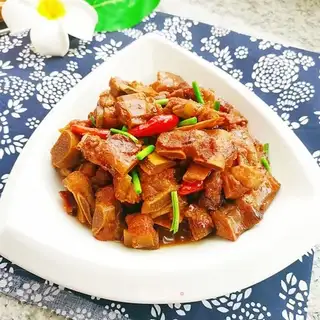
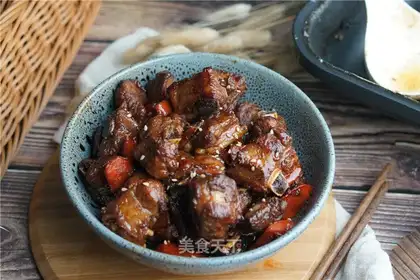
Pork ribs, a beloved staple in cuisines worldwide, are more than just a tender, flavorful cut of meat—they are a nutritional powerhouse offering a unique blend of macronutrients, vitamins, and minerals. From smoky barbecue racks to slow-braised Asian-style spare ribs, their versatility has made them a favorite at family dinners, restaurants, and summer cookouts. However, while pork ribs offer significant health benefits, their consumption also requires awareness of potential dietary pitfalls. This article explores the nutritional profile of pork ribs, their proven health benefits, and important considerations for safe and healthy enjoyment.
I. Nutritional Value of Pork Ribs
Pork ribs, whether from pork (domestic pig) or wild boar, are rich in essential nutrients that support overall health. Their nutritional composition varies slightly based on the cut (e.g., spare ribs vs. baby back ribs) and preparation method, but a 3-ounce (85g) serving of cooked pork ribs typically contains:
1. High-Quality Protein
Pork ribs are an excellent source of complete protein, providing all nine essential amino acids the body cannot produce independently. A 3-ounce serving delivers approximately 22–25 grams of protein, which is crucial for muscle repair, immune function, and enzyme production. Protein also promotes satiety, helping to regulate appetite and support weight management goals.
2. Essential Vitamins
- Vitamin B12: Pork ribs are one of the best dietary sources of vitamin B12, a nutrient vital for nerve function, red blood cell formation, and DNA synthesis. A single serving can meet over 30% of the daily recommended intake, making it particularly beneficial for individuals at risk of B12 deficiency (e.g., vegetarians, older adults).
- Niacin (Vitamin B3): Essential for energy metabolism and skin health, niacin is abundant in pork ribs. A 3-ounce serving provides about 25% of the daily value, aiding in converting food into usable energy and maintaining healthy digestion.
- Vitamin B6: This vitamin supports brain development, immune function, and hemoglobin production. Pork ribs contain roughly 15–20% of the daily recommended intake per serving.
- Vitamin D: Though not as abundant as in fatty fish, pork ribs provide small amounts of vitamin D, which is critical for calcium absorption, bone health, and immune regulation.
3. Key Minerals
- Zinc: Pork ribs are a top source of zinc, a mineral that plays a central role in immune function, wound healing, and DNA synthesis. A 3-ounce serving supplies around 20–25% of the daily value, making it a valuable food for supporting immune health, especially during cold and flu season.
- Phosphorus: Alongside calcium, phosphorus is essential for bone and teeth health. Pork ribs provide approximately 15–20% of the daily recommended intake per serving, helping to maintain strong skeletal structures.
- Selenium: This trace mineral acts as a powerful antioxidant, protecting cells from oxidative damage and supporting thyroid function. A serving of pork ribs offers about 25–30% of the daily selenium requirement.
- Iron: Heme iron, the type found in pork ribs, is more easily absorbed by the body than non-heme iron from plant sources. This makes pork ribs a valuable food for preventing iron deficiency anemia, particularly for women and athletes.
4. Fat Content: A Balanced Profile
Pork ribs contain both saturated and unsaturated fats. While a 3-ounce serving has about 15–20 grams of fat (with 6–8 grams being saturated), the majority is monounsaturated and polyunsaturated fat, including oleic acid (the same heart-healthy fat found in olive oil). Saturated fat, when consumed in moderation, can be part of a balanced diet, but excess intake is linked to cardiovascular issues.
5. Other Beneficial Compounds
- Collagen: Slow-cooked pork ribs are rich in collagen, a protein that supports skin elasticity, joint health, and gut lining integrity. When simmered for extended periods, collagen breaks down into gelatin, which is easier to digest and may reduce joint pain.
- Creatine: Found in small amounts, creatine supports muscle energy production and may enhance exercise performance.
II. Health Benefits of Pork Ribs
When consumed as part of a balanced diet, pork ribs offer a range of health benefits that extend beyond basic nutrition.
1. Supports Muscle Maintenance and Growth
The high-quality protein in pork ribs is ideal for athletes, older adults, and individuals recovering from illness or injury. Protein provides the amino acids needed to repair muscle tissue and stimulate muscle protein synthesis, helping to preserve lean mass and prevent age-related muscle loss (sarcopenia).
2. Boosts Immune Function
Pork ribs’ combination of zinc, vitamin B6, and selenium makes them a potent immune-boosting food. Zinc deficiency impairs immune cell development, while selenium enhances the activity of antioxidants that protect immune cells from damage. Regular consumption may help reduce the severity and duration of infections like the common cold.
3. Enhances Energy Production
The B vitamins in pork ribs—particularly B12, niacin, and B6—play a key role in converting carbohydrates, fats, and proteins into energy. Niacin helps form NADH and FADH2, molecules essential for cellular energy production, while B12 supports the formation of red blood cells, which transport oxygen to muscles and tissues.
4. Promotes Bone Health
Pork ribs are a good source of phosphorus and calcium (when consumed with bone-in cuts), two minerals that work together to maintain bone density. Phosphorus accounts for about 85% of the body’s bone mineral content, and adequate intake reduces the risk of osteoporosis, especially in postmenopausal women.
5. Supports Brain Health
Vitamin B12 and choline (a nutrient found in small amounts in pork) are critical for brain function. B12 helps maintain the myelin sheath that protects nerve fibers, while choline supports memory and cognitive development. Deficiencies in these nutrients have been linked to cognitive decline and neurological disorders.
6. Improves Skin and Hair Health
The collagen, zinc, and B vitamins in pork ribs contribute to healthy skin and hair. Collagen provides structure and elasticity to the skin, while zinc supports wound healing and reduces inflammation. Biotin (a B vitamin) and protein also strengthen hair follicles, reducing breakage and promoting growth.
III. Important Considerations and Potential Risks
While pork ribs offer numerous health benefits, their consumption requires moderation and awareness of potential risks, particularly related to fat content, cooking methods, and individual health conditions.
1. Fat Content and Heart Health
Pork ribs are relatively high in saturated fat, which, when consumed in excess, can raise LDL (“bad”) cholesterol levels and increase the risk of cardiovascular disease. For individuals with high cholesterol, heart disease, or diabetes, it is advisable to limit intake to 1–2 times per week and opt for leaner cuts (e.g., baby back ribs over spare ribs) or trim visible fat before cooking.
2. Cooking Methods Matter
The health impact of pork ribs heavily depends on preparation. Grilling, frying, or charbroiling ribs at high temperatures can produce harmful compounds such as heterocyclic amines (HCAs) and polycyclic aromatic hydrocarbons (PAHs), which are linked to cancer risk. To minimize these risks:
- Choose low-and-slow cooking methods: Braising, stewing, or baking at temperatures below 325°F (163°C) reduces HCA and PAH formation.
- Marinate meats: Marinades containing herbs, spices, and acids (e.g., vinegar, lemon juice) can reduce HCA formation by up to 90%.
- Avoid charring: Trim off charred or blackened portions before eating.
3. Sodium Concerns
Many commercially available pork ribs (e.g., smoked, cured, or sauced ribs) are high in sodium due to added salt, soy sauce, or marinades. Excessive sodium intake can raise blood pressure and increase the risk of stroke and heart disease. To reduce sodium:
- Choose fresh, unseasoned ribs and season with herbs, spices, and citrus instead of salt.
- Limit consumption of processed rib products (e.g., canned ribs, pre-marinated ribs).
4. Individual Dietary Restrictions
- Halal and Kosher Diets: Pork is prohibited in Islamic and Jewish dietary laws, so individuals following these religions must avoid pork ribs.
- Keto and Low-Carb Diets: While pork ribs fit into keto diets due to their high fat and protein content, portion control is key to avoid exceeding daily carb limits (especially in sauced or glazed ribs).
- Weight Management: Due to their calorie density (a 3-ounce serving of cooked ribs contains 250–300 calories), pork ribs should be consumed in moderation as part of a calorie-controlled diet for weight loss.
5. Food Safety
Undercooked pork can harbor harmful bacteria such as Salmonella, E. coli, and Yersinia, as well as parasites like Trichinella. To ensure safety:
- Cook ribs to an internal temperature of 145°F (63°C) with a 3-minute rest time, as recommended by the USDA.
- Avoid cross-contamination by using separate cutting boards and utensils for raw and cooked meat.
IV. Incorporating Pork Ribs into a Healthy Diet
To enjoy pork ribs as part of a balanced diet, follow these tips:
- Balance with vegetables: Serve ribs with roasted vegetables, salads, or whole grains (e.g., quinoa, brown rice) to increase fiber and nutrient intake.
- Control portions: Limit intake to 3–4 ounces per serving (about 1 small rack of baby back ribs) and pair with low-calorie side dishes.
- Choose healthy cooking methods: Braise ribs with broth, herbs, and vegetables, or grill them slowly with a rub of paprika, garlic powder, and black pepper instead of sugary sauces.
- Mind the frequency: For most people, 1–2 servings of pork ribs per week is sufficient to reap the benefits without exceeding recommended limits for saturated fat and sodium.
Conclusion
Pork ribs are a nutrient-dense food that offers a unique combination of protein, vitamins, and minerals, supporting muscle growth, immune function, bone health, and energy production. However, their high fat and calorie content, as well as potential risks from improper cooking, require mindful consumption. By choosing lean cuts, adopting healthy cooking methods, and balancing ribs with nutrient-rich foods, individuals can enjoy this culinary delight while supporting their overall health. Whether slow-braised, grilled, or smoked, pork ribs can be a flavorful and nutritious addition to a balanced diet when enjoyed in moderation.