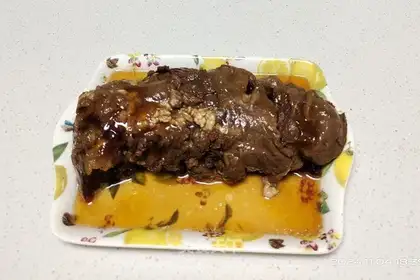
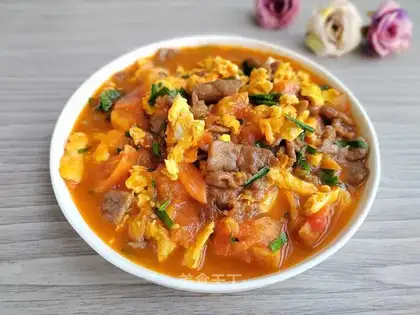
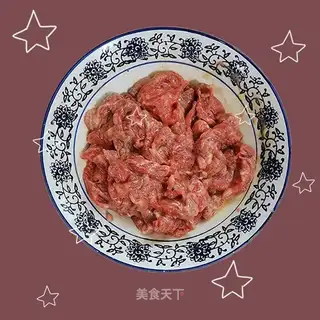
Beef tenderloin, often hailed as the "king of cuts," is a premium, lean muscle derived from the loin of cattle. Renowned for its exceptional tenderness, mild flavor, and versatility, it has long been a centerpiece in gourmet cuisine and everyday meals alike. Beyond its culinary appeal, tenderloin is a nutritional powerhouse, offering a rich profile of high-quality protein, essential vitamins, and minerals. However, like all foods, it must be consumed mindfully to maximize benefits and minimize risks. This article explores the nutritional value of beef tenderloin, its health benefits, and important precautions for safe consumption.
I. Nutritional Value of Beef Tenderloin
Beef tenderloin is a nutrient-dense food, providing a concentrated source of macronutrients and micronutrients vital for human health. A 100-gram (3.5-ounce) serving of cooked, lean beef tenderloin (trimmed of visible fat) typically contains:
1. High-Quality Protein
Protein is essential for building and repairing tissues, producing enzymes and hormones, and supporting immune function. Tenderloin is an excellent source of complete protein, meaning it contains all nine essential amino acids that the body cannot produce independently. A 100-gram serving provides approximately 25–30 grams of protein, making it an ideal choice for athletes, individuals recovering from illness, or those looking to maintain muscle mass as they age.
2. Rich in Vitamins
- Vitamin B12: Critical for nerve function, DNA synthesis, and red blood cell formation. A single serving of tenderloin can provide over 100% of the daily recommended intake (DRI) of vitamin B12, which is particularly important for vegans and vegetarians who may lack this nutrient from plant sources.
- Vitamin B6: Supports metabolism, brain development, and immune function. Tenderloin contains approximately 30% of the DRI per serving.
- Niacin (Vitamin B3): Aids in energy production, skin health, and digestion. It contributes about 25% of the DRI per 100-gram serving.
- Riboflavin (Vitamin B2): Important for energy metabolism and eye health.
- Vitamin D: Though present in smaller amounts, beef tenderloin is one of the few natural food sources of vitamin D, which is crucial for bone health and immune regulation.
3. Abundant Minerals
- Iron: Beef is a heme iron source, which is more easily absorbed by the body than non-heme iron from plants. A 100-gram serving provides about 15–20% of the DRI, supporting oxygen transport in the blood and preventing iron-deficiency anemia.
- Zinc: Essential for immune function, wound healing, and DNA synthesis. Tenderloin offers around 30–40% of the DRI per serving.
- Selenium: A powerful antioxidant that protects cells from damage and supports thyroid function. A single serving provides over 30% of the DRI.
- Phosphorus: Works with calcium to build strong bones and teeth.
- Potassium: Regulates fluid balance, nerve signals, and muscle contractions.
4. Low in Fat (Compared to Other Cuts)
While beef is often associated with high fat content, tenderloin is one of the leanest cuts, with only 5–10 grams of fat per 100-gram serving, and most of it being monounsaturated fat (the same healthy fat found in olive oil). It contains minimal saturated fat and no trans fats, making it a heart-leaner choice when trimmed of visible fat.
II. Health Benefits of Beef Tenderloin
The nutrient profile of beef tenderloin translates into numerous health benefits, making it a valuable addition to a balanced diet.
1. Supports Muscle Mass and Physical Performance
The high-quality protein in tenderloin provides the amino acids needed for muscle protein synthesis, which is vital for athletes, older adults (to combat sarcopenia), and individuals undergoing rehabilitation. Leucine, an amino acid abundant in beef, stimulates muscle growth and recovery after exercise.
2. Enhances Brain Function and Mental Health
Vitamin B12, zinc, and iron in tenderloin play key roles in brain health. Vitamin B12 deficiency has been linked to cognitive decline, memory loss, and depression, while zinc supports neurotransmitter function and iron ensures adequate oxygen supply to the brain. Regular consumption may help maintain mental clarity and reduce the risk of neurodegenerative diseases.
3. Boosts Immune System
Zinc, selenium, and vitamin B6 are critical for a robust immune system. Zinc helps produce and activate immune cells, while selenium acts as an antioxidant to reduce inflammation and protect against infections. Vitamin B6 supports the production of antibodies and cytokines, which regulate immune responses.
4. Promotes Healthy Pregnancy and Fetal Development
Pregnant women have increased nutrient needs, and tenderloin can be a valuable source of iron, vitamin B12, and zinc. Iron supports increased blood volume and fetal growth, while vitamin B12 aids in neural tube development. However, pregnant women should consume tenderloin well-cooked to avoid foodborne illnesses.
5. Supports Bone Health
Phosphorus, calcium, vitamin D, and protein in tenderloin contribute to strong bones and teeth. Vitamin D enhances calcium absorption, while phosphorus works with calcium to build bone density. This is particularly important for children, adolescents, and older adults at risk of osteoporosis.
6. Aids in Weight Management
As a high-protein, low-fat food, tenderloin promotes satiety, reducing overall calorie intake and helping control weight. Protein takes longer to digest than carbohydrates or fats, keeping you full longer and reducing cravings for unhealthy snacks.
III. Precautions and Considerations for Consumption
While beef tenderloin offers numerous health benefits, certain precautions must be taken to ensure safe and healthy consumption.
1. Cooking Safety: Avoid Undercooking
Beef, especially tenderloin, can harbor harmful bacteria such as E. coli, Salmonella, or Listeria if not cooked properly. To minimize risks:
- Cook to the right temperature: Use a meat thermometer to ensure the internal temperature reaches at least 63°C (145°F) for medium-rare or 71°C (160°F) for medium.
- Avoid cross-contamination: Use separate cutting boards and utensils for raw meat to prevent spreading bacteria to other foods.
- Store safely: Refrigerate raw tenderloin at 4°C (40°F) or below and consume within 2–3 days. Freeze for long-term storage (up to 6 months).
2. Limit Sodium and Saturated Fat
While tenderloin is lean, some cooking methods (e.g., marinating in high-sodium sauces or frying) can increase its sodium and saturated fat content. Opt for grilling, baking, or roasting with herbs and spices instead of heavy sauces. Trim visible fat before cooking to reduce saturated fat intake.
3. Balance with a Plant-Rich Diet
Excessive red meat consumption has been linked to an increased risk of heart disease, certain cancers (e.g., colorectal cancer), and type 2 diabetes. To mitigate these risks:
- Consume in moderation: Limit beef tenderloin to 2–3 servings per week as part of a balanced diet rich in fruits, vegetables, whole grains, and legumes.
- Choose lean cuts: Opt for tenderloin over fattier cuts like ribeye or T-bone steak.
4. Consider Individual Health Conditions
- Heart disease or high cholesterol: Individuals with cardiovascular issues should limit red meat intake due to its saturated fat content. Opt for lean cuts and pair them with heart-healthy foods like leafy greens, nuts, and olive oil.
- Gout: Beef is high in purines, which can trigger gout attacks in susceptible individuals. Consult a doctor before including tenderloin in the diet.
- Kidney disease: High protein intake may strain kidney function in those with pre-existing kidney disease. A healthcare provider can recommend appropriate portion sizes.
5. Ethical and Environmental Concerns
For environmentally conscious consumers, beef production has a significant carbon footprint due to methane emissions and land use. Opt for grass-fed or sustainably sourced beef to reduce environmental impact. Additionally, consider plant-based alternatives (e.g., tofu, tempeh, or seitan) for occasional variety.
Conclusion
Beef tenderloin is a nutrient-rich food that offers a host of health benefits, from supporting muscle growth and brain function to boosting immunity and bone health. Its high protein content, abundance of vitamins and minerals, and low fat profile make it an excellent choice for a balanced diet. However, it is essential to consume it in moderation, cook it safely, and balance it with plant-based foods to maximize benefits and minimize risks. By understanding its nutritional value, health benefits, and precautions, individuals can enjoy tenderloin as both a culinary delight and a component of a healthy lifestyle. Whether grilled to perfection or slow-cooked for tenderness, beef tenderloin remains a timeless and nourishing choice for tables around the world.