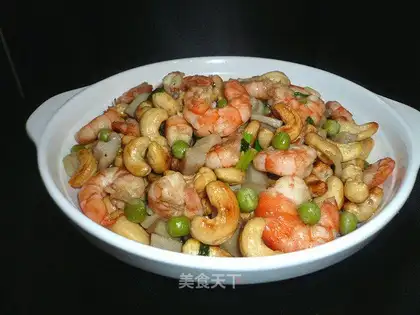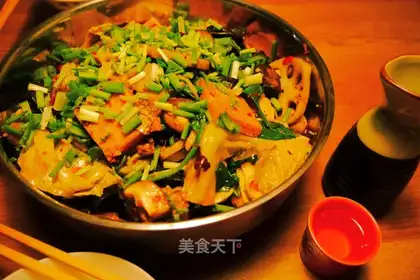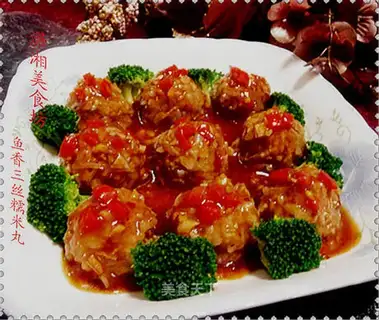
Lotus root, also known as lotus root. It can be eaten raw or cooked, and its medicinal value is also quite high. It was appointed as a tribute during the Xianfeng period of the Qing Dynasty. <br />The lotus root enters the heart, spleen and stomach meridians. The raw lotus root is sweet and cold, and the cooked lotus root is sweet and warm. Lotus root contains protein, carbohydrates, crude fiber, calcium, phosphorus, iron, carotene, thiamine, riboflavin, niacin, ascorbic acid and other ingredients. Lotus root also contains starch, asparagine and oxidase. It is used in raw life to clear heat, cool blood, and dissipate blood stasis. Treat fever, polythirst, hematemesis, and heat stranguria; use it when used, strengthen the spleen and appetites, nourish the blood and nourish the heart, rejuvenate the muscles and stop diarrhea, and nourish the five internal organs. It has the effects of digestion, quenching thirst, and promoting saliva. <br />Pig lean meat is flat and tastes sweet and salty. It enters the spleen, stomach and kidney meridians. It can nourish the viscera, lubricate the skin, replenish the middle, replenish qi, kidney, nourish blood and nourish the liver yin. It has the effects of clearing the stomach and relieving cough, nourishing yin and moistening dryness.
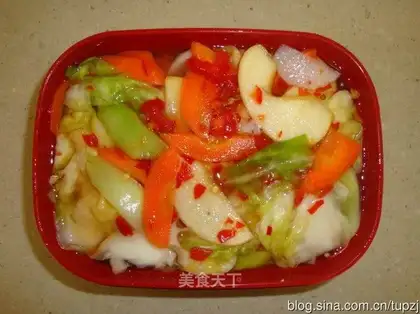
After the beginning of autumn, fresh lotus root became one of the must-have dishes for people's family banquets. The root of lotus is called lotus root. People in the north often use it for cooking, so they are called lotus root or lotus root; in the south, they are generally called lotus root, which can be used for both fruits and vegetables. <br />Lotus root contains a variety of nutrients and asparagine, protein amino acids, trigonelline, dry acid, sucrose, glucose, etc. Fresh lotus root contains 20% carbohydrates and is rich in calcium, phosphorus, iron and multiple vitamins. <br />Today's dish is simple and delicious. Sweet and sour lotus root cubes are delicious and crispy!