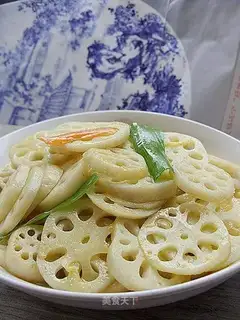
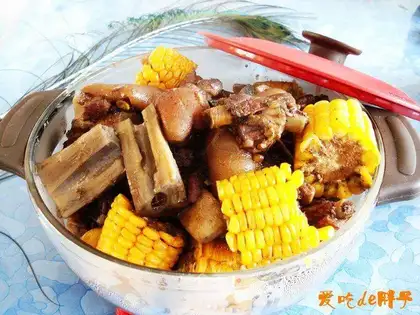
Lotus is full of treasure, and autumn lotus roots are the most nourishing. Lotus root contains starch, protein, asparagine, vitamin C and oxidase components, and has a high sugar content. Eating fresh lotus root can clear heat and relieve annoyance, quench thirst and stop vomiting; if fresh lotus root is squeezed to obtain juice, the effect is even greater. Cooked lotus root is sweet and warm in nature, can strengthen the spleen and appetite, enrich the blood and replenish the heart. Therefore, it is mainly used to nourish the five internal organs and has the effects of digestion, quenching thirst, and promoting saliva.
It's cold, have brown sugar glutinous rice lotus root-warm your stomach! <br />The glutinous rice lotus root is usually served with sugar and osmanthus. Now that the weather is cold, use brown sugar to cook it. The cooked lotus root is served with thick brown sugar water, which is sweet and warm, and I feel that the taste is even better. <br />Glutinous rice lotus root has the therapeutic effect of nourishing blood, strengthening spleen, and appetizing appetite. Glutinous rice, which has the functions of nourishing the middle and replenishing qi, strengthening the spleen and nourishing the stomach, is added to the lotus root to nourish the blood and lungs. It is sweet and glutinous and is very suitable for women to eat, and is especially popular among children.