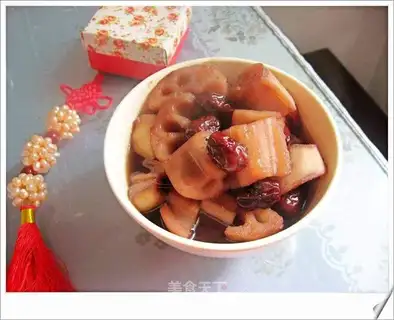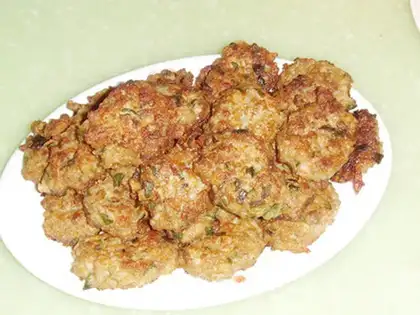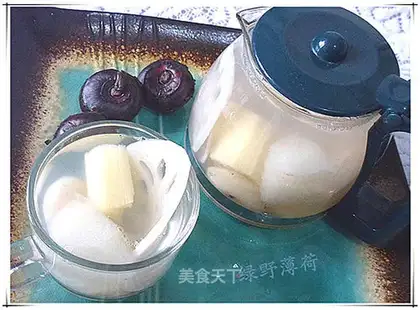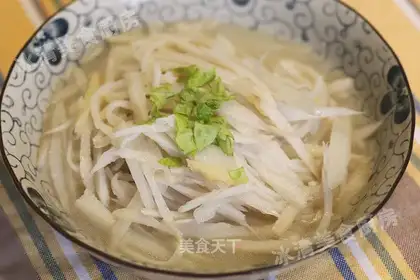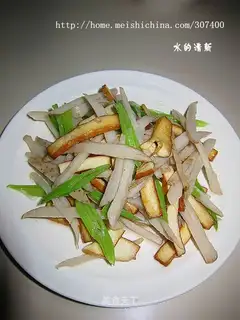
This dish has the effect of strengthening the spleen, appetizing, and lowering blood lipids. <br /><br />After the beginning of autumn, fresh lotus root became one of the must-have dishes for people's family banquets. Lotus root contains a variety of nutrients and asparagine, protein amino acids, trigonelline, dry acid, sucrose, glucose, etc. Fresh lotus root contains 20% carbohydrates and is rich in calcium, phosphorus, iron and multiple vitamins. Fresh lotus root can be cooked alone or used as an ingredient for other dishes. For example, lotus root meatballs, lotus root sausage, shrimp minced lotus root dumplings, fried crispy lotus root shredded, fried lotus root crab, stewed lotus root soup, stewed pork ribs with fresh lotus root, cold lotus root slices, etc., are all well-known home-cooked dishes with wine and rice. <br />Nutritional value of lotus root<br /> 1. Clearing heat and cooling blood: Lotus root is cold in nature and has the effect of clearing heat and cooling blood, and can be used to treat heat diseases; lotus root is sweet and liquid, and is especially beneficial to people with fever, thirst, epistaxis, hemoptysis, and bleeding. <br />2. Relieving diarrhea, strengthening spleen and appetizing: Lotus root contains mucus protein and dietary fiber, which can combine with cholates in the human body, cholesterol and triglycerides in food, causing them to be excreted from feces, thereby reducing lipid absorption. Lotus root exudes a unique fragrance and also contains tannin, which has a certain effect of strengthening the spleen and diarrhea. It can enhance appetite, promote digestion, appetizing and healthy middle, and is beneficial to people with poor appetite and loss of appetite to restore health. <br />3. Benefiting blood and promoting muscles: Lotus root has a high nutritional value. It is rich in trace elements such as iron and calcium. It is also rich in plant protein, vitamins and starch. It has obvious effects in replenishing qi and blood and enhancing human immunity. Therefore, traditional Chinese medicine calls it: "The main thing is to nourish the middle and nourish the body and increase the strength." <br />4. Stop bleeding and dissipate blood stasis: Lotus root contains a large amount of tannic acid, which has the effect of contracting blood vessels and can be used to stop bleeding. Lotus root can also cool blood and disperse blood. Traditional Chinese medicine believes that it stops bleeding without leaving blood stasis and is a good food therapy for febrile diseases. <br /><br />Celery is cool in nature, sweet and spicy in taste, and non-toxic; it enters the lungs, stomach and liver meridians. <br />Indications: Clear heat and eliminate annoyance, calm the liver, promote water and reduce swelling, cool blood to stop bleeding. Indications for hypertension, headache, dizziness, extreme heat and polydipsia, jaundice, edema, hot and astringent urine, irregular menstruation in women, red and white discharge. scrofula. Symptoms such as gills. <br /><br />Notes:<br /> Celery is cool and smooth in nature, so people with deficiency of spleen and stomach and cold and slippery intestines should be eaten with caution.
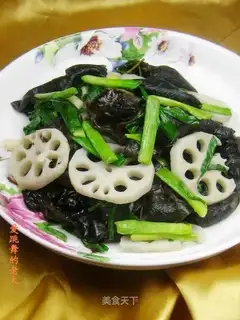
Black fungus has the functions of replenishing qi and strengthening the body, nourishing the kidneys and nourishing the stomach, and promoting blood circulation. It can resist blood coagulation, anti-thrombosis, and lower blood lipids. The role of black fungus reduces blood viscosity, softens blood vessels, makes blood flow smoothly, and reduces cardiovascular disease. Black fungus also has a strong adsorption effect, and regular consumption is conducive to timely excretion of waste produced in the body. Black fungus also has a good function in resolving gallstones and kidney stones. The role of black fungus is because the plant alkali it contains has the property of promoting the secretion of various glands in the digestive tract and urinary tract. The plant alkali can coordinate with these secretions to catalyze stones and lubricate the intestines. <br /><br />Ripe lotus root is warm in nature and sweet in taste;<br /><br /> It has the effects of nourishing the stomach and strengthening the spleen, nourishing the blood, nourishing the muscles, and stopping diarrhea;<br /><br /> Indications for lung heat cough, irritability and thirst, diarrhea due to spleen deficiency, loss of appetite and various blood syndromes. <br /><br />Stir fry the green garlic with the two dishes above to add the aroma of garlic and taste well with the rice.
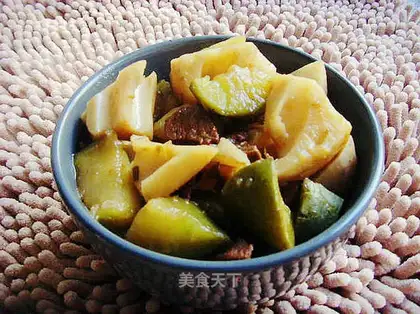
Radish contains a variety of trace elements that can induce the body to produce interferon itself<br /><br /> Can enhance the body's immunity and inhibit the growth of cancer cells<br /><br /> It is of great significance for preventing cancer<br /><br /> Mustard oil and dietary fiber in radish promote gastrointestinal peristalsis<br /><br /> Helps discharge waste from the body<br /><br /> Eating radish regularly can lower blood lipids, soften blood vessels, stabilize blood pressure, and prevent coronary heart disease, arteriosclerosis, cholelithiasis and other diseases<br /><br /> Lotus root has high nutritional value and is rich in trace elements such as iron and calcium<br /><br /> Plant protein, vitamins and starch are also rich in<br /><br /> It has obvious effects of replenishing qi and blood and enhancing human immunity<br /><br /> Can be eaten by the general population<br /> People with weak physique, spleen and stomach deficiency cold, gastric and duodenal ulcer, chronic gastritis, simple goiter, threatened abortion, and uterine prolapse should not eat more.