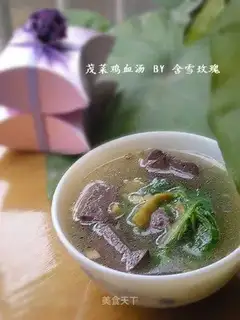
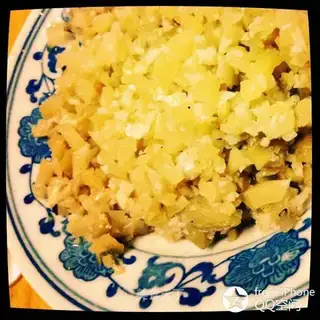
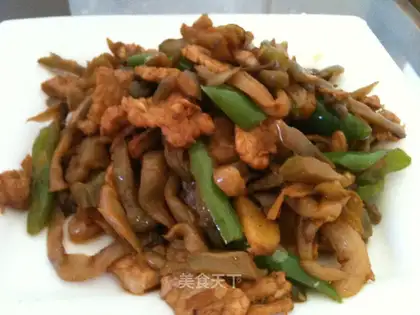
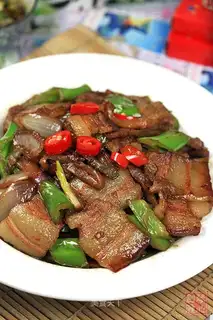
Shepherd's purse is also known as protective grass and water chestnut. Serve young leaves for food. Originally in our country, it is now spread all over the world. Our country has collected wild shepherd's purse for consumption since ancient times, and all records of shepherd's purse were completed as early as 300 BC. <br />The nutritional value of shepherd's purse is very high. Every 100 grams of shepherd's purse contains 5.2 grams of protein, 0.4 grams of fat, 6 grams of carbohydrates, 420 mg of calcium, 73 mg of phosphorus, 6.3 mg of iron, 0.19 mg of riboflavin, 55 mg of vitamins Celsius, and 0.7 mg of niacin. <br />Shepherd's purse can be stir-fried, cold, made into vegetable fillings, and vegetable soups. It has a variety of eating methods and a special flavor. <br /><br />In our hometown, my favorite spring thing is shepherd's purse wonton! There is a lot of stuffing, eat a bowl, and you won't feel sleepy in spring!
Dried shrimp is rich in nutrients, containing several to dozens of times more protein than fish, eggs, and milk. It is also rich in minerals such as potassium, iodine, magnesium, and phosphorus, as well as vitamin A, aminophylline and other ingredients. The meat is soft and easy to digest, making it an excellent food for people who are weak and need to recuperate after illness. <br />Dried shrimp is rich in magnesium, which plays an important role in regulating heart activity and can protect the cardiovascular system. It can reduce cholesterol content in the blood and prevent arteriosclerosis. It can also dilate the coronary arteries, which is conducive to preventing hypertension and myocardial infarction. <br />Dried shrimp has a strong lactation effect and is rich in phosphorus and calcium. It is especially beneficial to children and pregnant women.