Autumn and winter pose higher risks for elevated blood pressure due to colder temperatures, which cause blood vessels to constrict and increase cardiac workload. Dietary adjustment becomes a crucial natural strategy to manage this seasonal fluctuation.
Firstly, reducing sodium intake is paramount. Excess salt disrupts fluid balance, raising blood pressure. Limit processed foods, canned soups, and cured meats, and opt for herbs, lemon, or garlic to flavor dishes instead of salt. Secondly, increasing potassium-rich foods helps counteract sodium’s effects. Bananas, spinach, sweet potatoes, and avocados promote sodium excretion and relax blood vessels.
Omega-3 fatty acids, found in fatty fish like salmon and walnuts, reduce inflammation and improve artery elasticity, while magnesium-rich foods such as almonds, whole grains, and beans support vascular health. Additionally, staying hydrated with warm water or herbal teas prevents blood thickening, and moderating caffeine and alcohol avoids blood pressure spikes.
Lastly, a balanced diet with ample fruits, vegetables, and whole grains ensures antioxidants and fiber, which protect blood vessels. By combining these dietary tweaks with healthy habits like regular light exercise, blood pressure can be better controlled, safeguarding cardiovascular health during the colder months.
 Shrimp shrimp"
 Five grains of porridge"
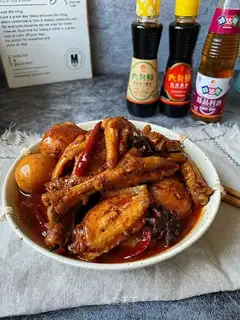 Secret chicken"
 A casserole with red pork"
 Sour chili"
 Pyramid egg box"
 Red Cake Roll"
 Sea cucumber"
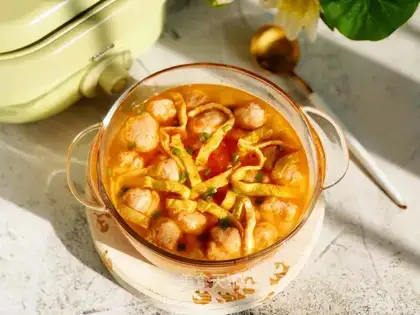 Shrimp tomato soup"
 Piggy pork dumplings"
 Oily tofu"
 Stardelle birthday cake"
 Eggs and pretzels"
 Red Tacos"
 The cranberry peanut butter"
 Sweet ginger date tea"
 cucumber powder"
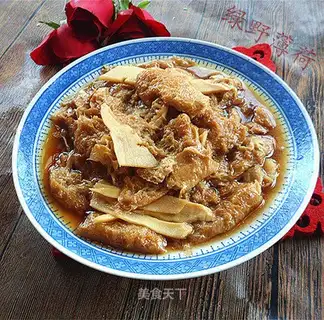 Sourface"
 Silver taco soup"
 It's white"
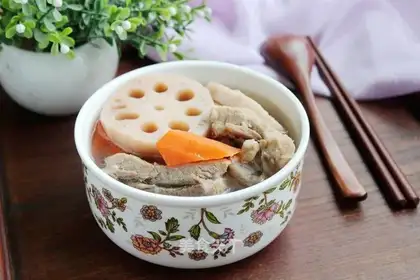 Carrot lily broth"
 Juicy mushrooms"
 Potato noodles"
 Pasta"
 Homemade opium fish"
 Fired tea mushrooms"
 Cranberry cookies"
 Slut"
Slut" It's cold"
 Fried sardines"
 Chicken skin"
 Flowers with rich and rich eggs"