Beijing's New Year's Eve Eve, or "Nian Ye Fan," is a cherished tradition blending symbolism, flavor, and togetherness. The feast, a cornerstone of Spring Festival celebrations, features iconic dishes that honor heritage and invite prosperity.
No spread is complete without Jiaozi (dumplings), shaped like ancient gold ingots to symbolize wealth. Families gather to fold fillings like pork and cabbage, believing eating them at midnight brings good fortune. Peking Duck takes center stage for its crispy skin and tender meat, a luxurious nod to Beijing’s imperial roots, often served with thin pancakes and sweet bean sauce. Yusheng (raw fish salad), though more southern in origin, has gained popularity for its "prosperity" homophone, with diners tossing ingredients high to "raise" abundance.
Vegetarian dishes like Buddha’s Delight (Luohan Zai) offer balance, with ingredients such as black mushrooms, bamboo shoots, and tofu representing longevity. Sweet and Sour Pork, a crowd-pleaser, adds a tangy twist, symbolizing a sweet new year. To end, Niangao (rice cake) is a must—its name sounds like "higher year," encouraging progress.
This feast is more than food; it’s a tapestry of culture, where each bite carries wishes for joy, unity, and prosperity in the year ahead.
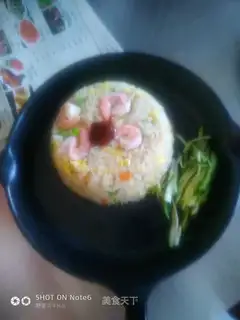 Korean shrimp rice"
 Pumpkin pie"
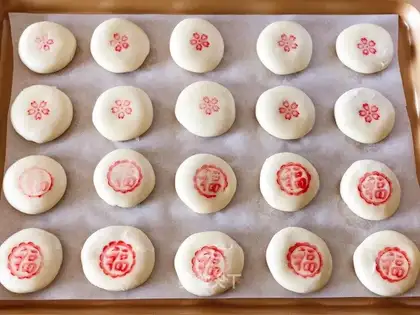 Flower cake"
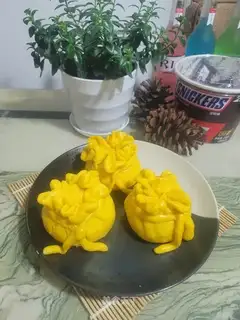 Gold bag"
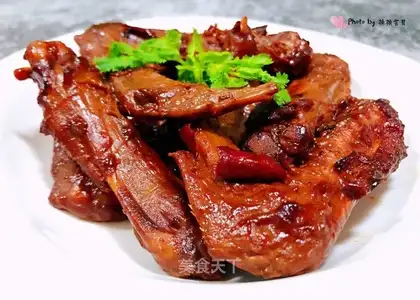 Spicy duck wings"
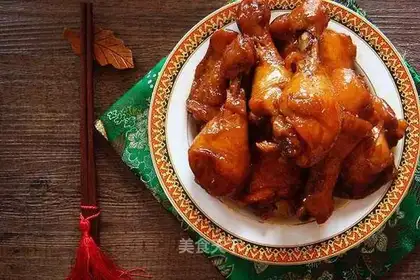 My chicken leg"
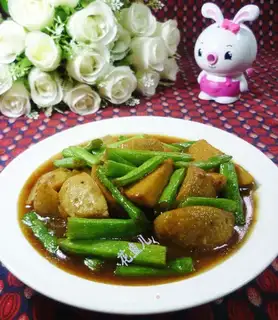 Peaches make potatoes"
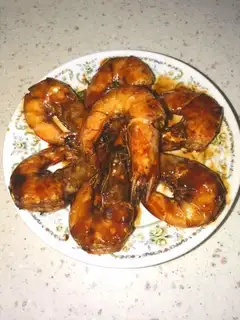 Cook shrimp"
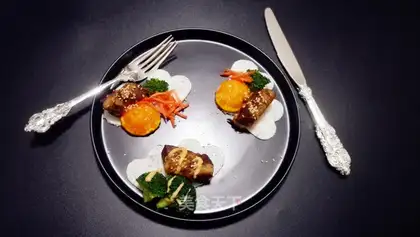 Linglong heart"
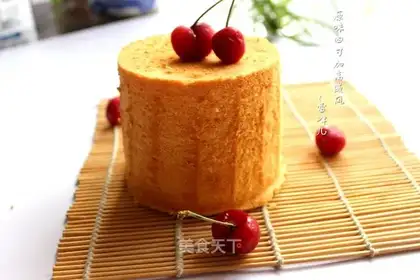 It's an original chili cake"
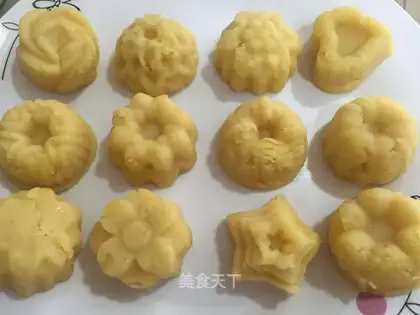 Handmade green beans"
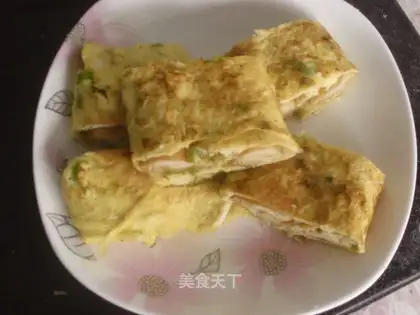 Egg pancakes"
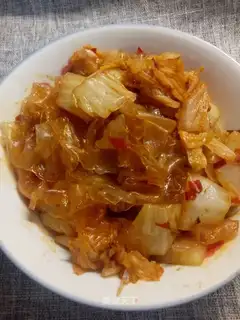 Spicy cabbage"
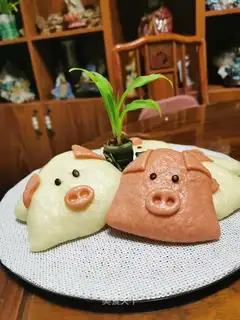 Pork cakes"
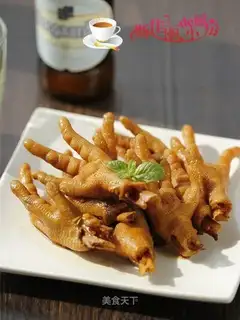 The fragrance claw"
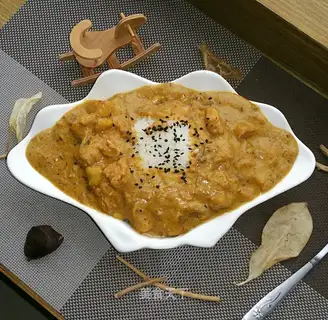 Chicken curry"
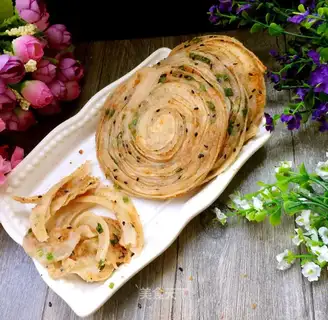 Scumbag onions"
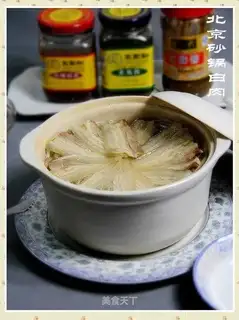 Old Beijing casserole white pork"
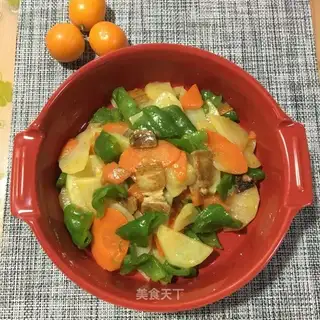 Five flowers with pepper potato chips"
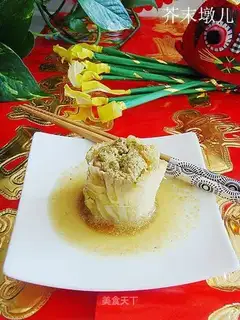 Mustard Duner"
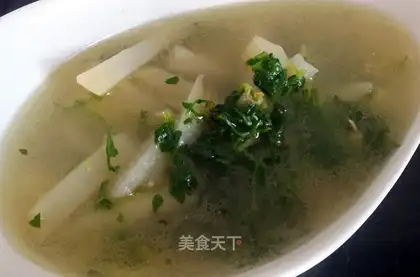 ♪ ♪ ♪ Crackers and potatoes ♪"
 Red-sugar hairloaf"
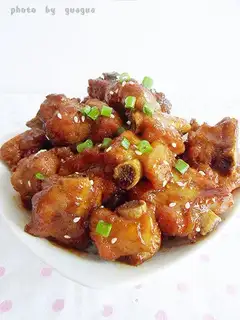 Kyoto ribs"