Japanese wagashi, the traditional confections of Japan, are more than just sweets—they are edible art that captivates both the eyes and the palate. Crafted with precision and a deep respect for seasonality, these delicate treats offer a harmonious blend of flavors, textures, and aesthetics that leave one craving more.
At the heart of wagashi is the use of simple, natural ingredients: sweet bean paste (anko), mochi (glutinous rice), matcha (green tea powder), and agar-agar. These elements are transformed into intricate shapes, often inspired by nature—cherry blossoms, maple leaves, or seasonal fruits. For instance, sakura mochi, a pink-hued rice cake wrapped in a pickled cherry leaf, embodies spring’s fleeting beauty, while yatsuhashi, cinnamon-scented triangles, evoke autumn’s warmth.
What sets wagashi apart is its balance of sweetness. Unlike Western desserts, which often prioritize intense sugar, wagashi emphasizes subtle, nuanced flavors. Anko, made from adzuki beans, ranges from smooth and sweet to chunky and less saccharine, pairing perfectly with the earthy bitterness of matcha or the gentle chewiness of mochi. Each bite is a delicate interplay of tastes, never overwhelming.
Beyond taste, wagashi is a visual delight. Artisans mold these sweets with meticulous care, turning them into miniature works of art. They are often served during tea ceremonies, where their beauty is appreciated as much as their flavor. To experience wagashi is to savor not just a sweet, but a piece of Japan’s cultural heritage—a fleeting, delicious moment that lingers in the memory long after the last bite. Truly, wagashi is a testament to the idea that simplicity, when elevated with care, becomes something extraordinary.
 Hot cabbage"
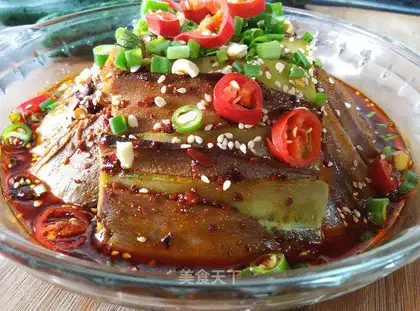 It's so cold"
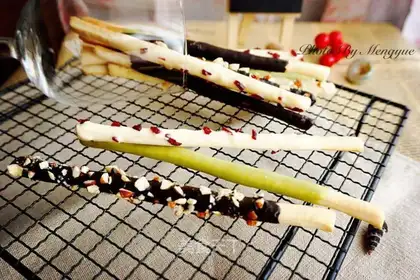 Chocolate bagels"
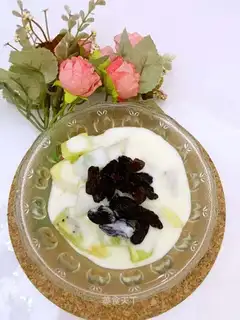 Fruit salad"
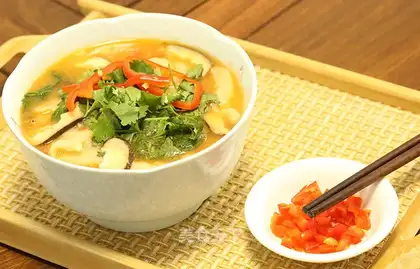 Pumpy soup"
 Strawberry roll"
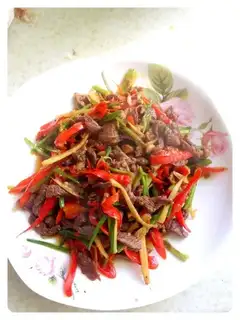 Celery beef"
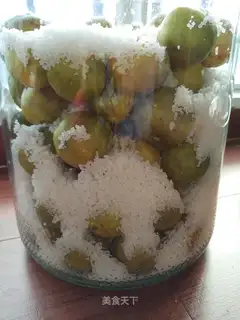 Pickle lemon"
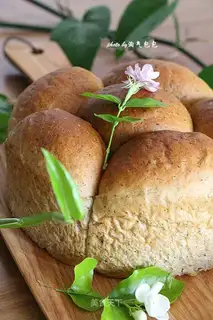 Sesame pack"
 It's a steroid"
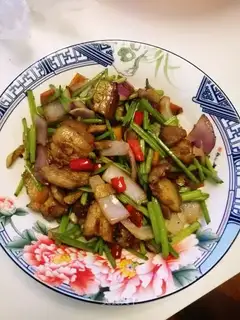 It's special"
 Cranberry cookies"
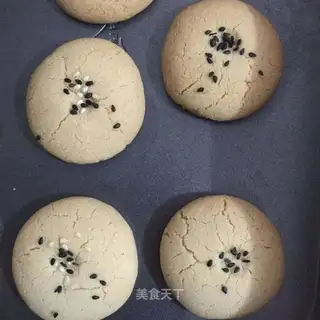 Peach"
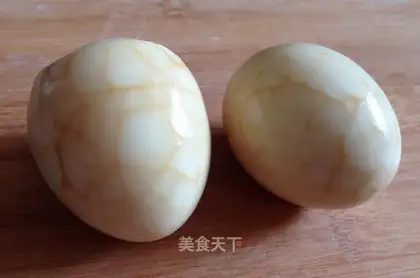 Lazy tea eggs"
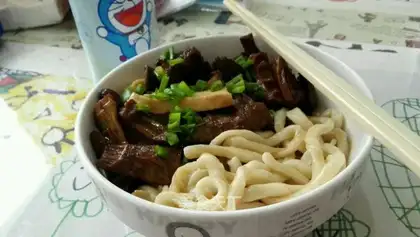 A bowl of pasta"
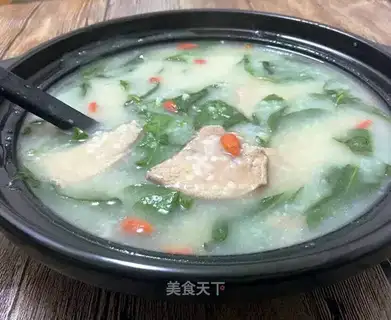 Pork liver soup"
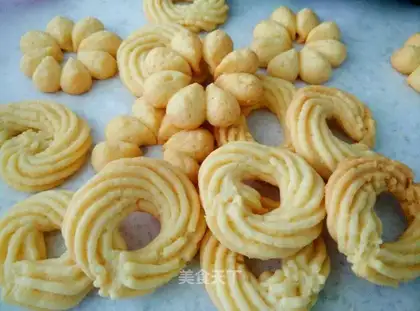 Butter cookies"
 Onion pine rolls"
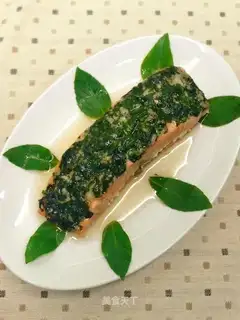 Salmon"
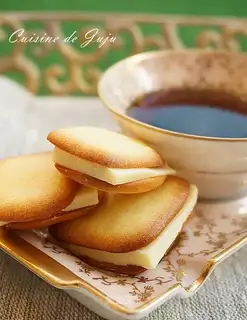 Hokkaido White Lover"
 Classic coffee"
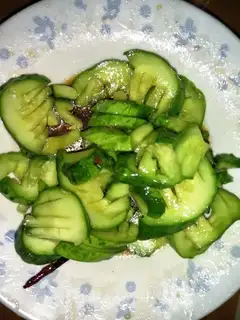 Spicy cucumbers"
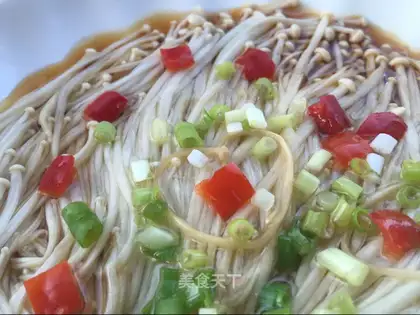 I'm going to make a golden pin mushroom"
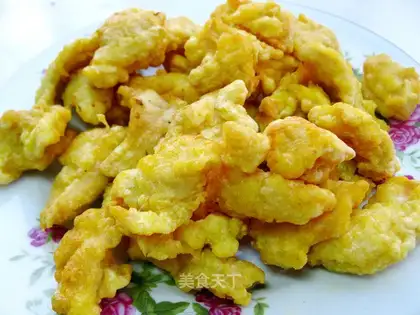 Pretzels"