The 26th day of the twelfth lunar month, a pivotal moment in Chinese New Year preparations, is vividly known as "杀猪割年肉" (shā zhū gē nián ròu) – the day for slaughtering pigs and cutting festive meat. Rooted in agrarian society, this custom carries profound cultural significance, symbolizing abundance, reunion, and the joy of harvest.
In bygone times, pigs were a valuable asset for rural families. Raising one for a year meant ensuring a substantial feast for the New Year. On this day, households would slaughter the well-fed pig, a task often involving the whole family. The air would fill with the aroma of fresh meat as women skillfully prepared cuts for braising, stewing, or making sausages, while men handled the butchering. Every part of the pig was utilized: ribs for festive dishes, bones for broths, and fat for rendering lard.
Beyond mere preparation, "割年肉" embodied hope. The richer the meat, the greater the fortune for the coming year, as people believed it would bring prosperity and nourish family bonds. Even today, though few raise pigs at home, the tradition persists in markets bursting with premium pork, where families select the finest cuts for reunion dinners.
This custom, a blend of practicality and symbolism, remains a heartfelt reminder of gratitude for harvests and the warmth of family togetherness, making it an indispensable part of Chinese New Year’s rich tapestry.
 Pig oil"
 Cheese mashed potatoes"
 Homemade soybeans"
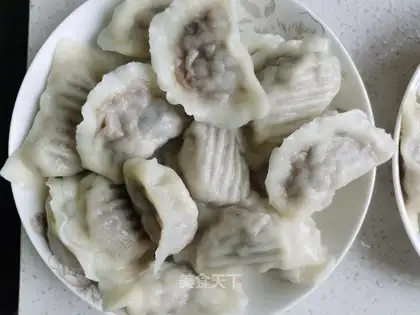 Cheese dumplings"
 It's not fried fruit"
 An air-cooked tofu"
 ♪ Donkey fried apricot mushroom ♪"
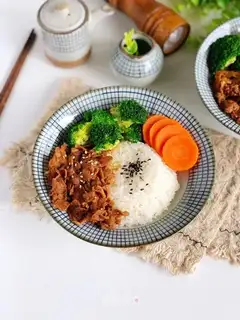 Japanese fat cow rice"
 Coconut with a Swiss roll"
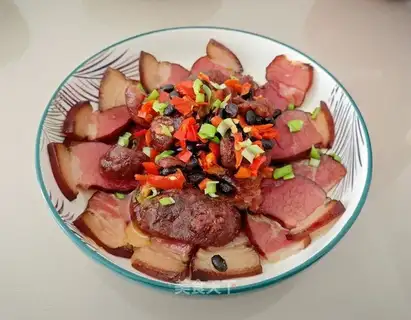 Steam sausage"
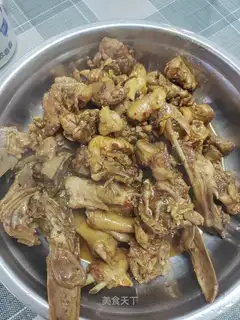 A simple beer duck"
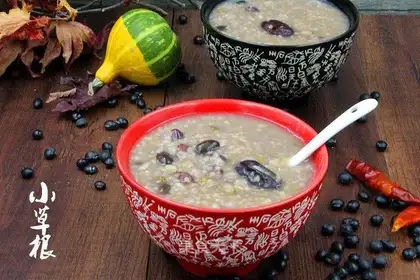
 Porridge"
 Peaches, lemon tea"
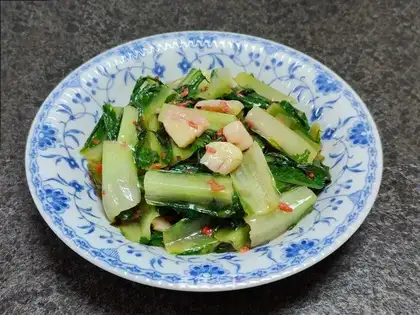 Bad oatmeal"
 Um... Um... Um... Um.."
 Tomato carrot apple juice"
 Roach and lamb soup"
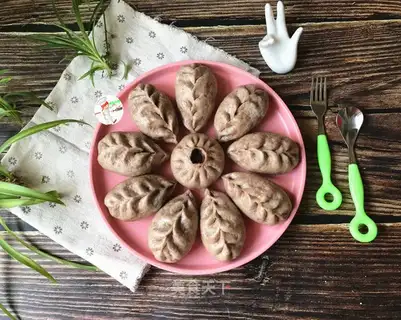 Black bean bag"
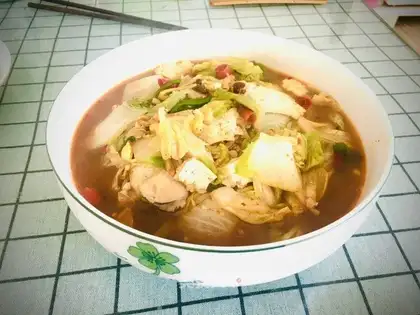 Cabbage"
 Sour soup, fat cow"
 Rice congee"
 Snow souffle"
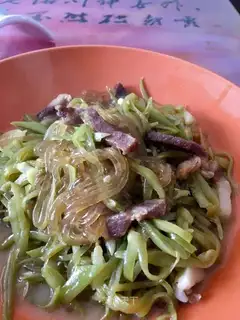 ♪ ♪ Spam ♪"
 Four seasons of porridge"