On Chinese New Year’s Eve, the reunion dinner, or Nianyefan, is the heart of the festival, and no meal is complete without a steaming pot of "Jiyun Tang" (Lucky Soup). More than just a dish, this soup symbolizes unity, prosperity, and the hopes for a blessed year ahead.
Traditionally, families simmer this soup with ingredients that carry auspicious meanings. Golden chicken pieces represent wealth, while plump mushrooms signify growth. Dried shrimp and oysters add a savory depth, echoing the wish for "happiness and prosperity" (xīn xǐ rú yì). Sweet potatoes or taro might be included, as their round shapes mirror unity, and red dates or goji berries bring a touch of sweetness, symbolizing a sweet life. Slow-cooked for hours, the soup’s rich aroma fills the home, wrapping everyone in warmth and anticipation.
As the family gathers around the table, sharing the soup is a moment of connection. Each spoonful carries the love of generations and the silent prayer for good fortune in the coming year. In its broth, we taste not just flavors, but the essence of togetherness—the true spirit of Chinese New Year.
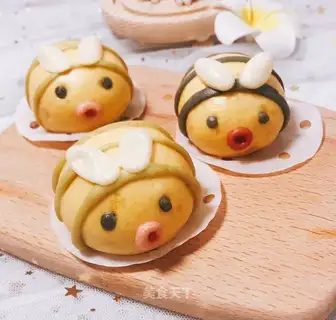 Bee cartoon"
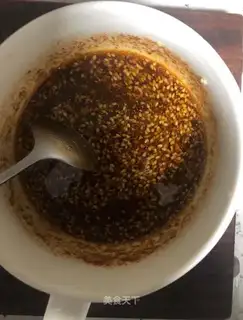 Pepper oil"
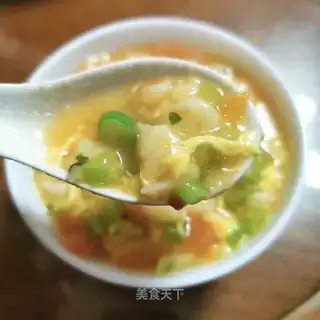 Colored plum soup"
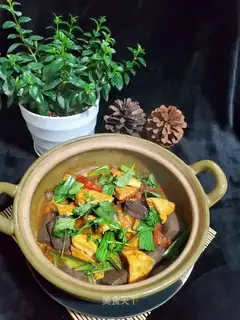 Tofu roasted duck blood"
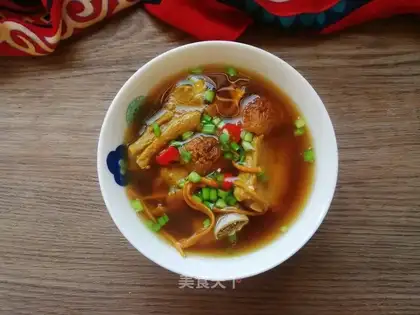 The pine bouquet soup"
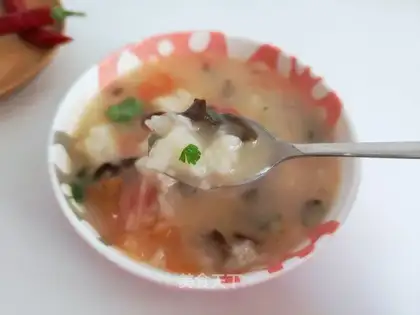 Western red soup"
 Six inches and a twilight cake"
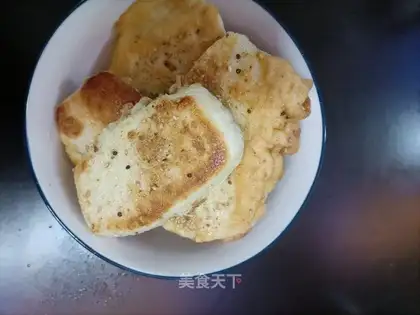 Pancake"
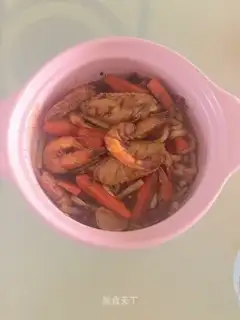 Dry pan, shrimp wings"
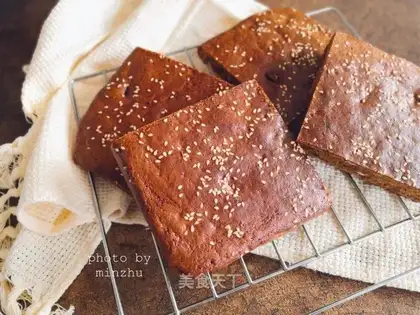 Red sugar date mud cake"
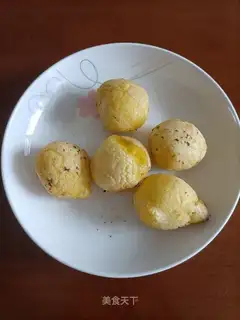 Socking"
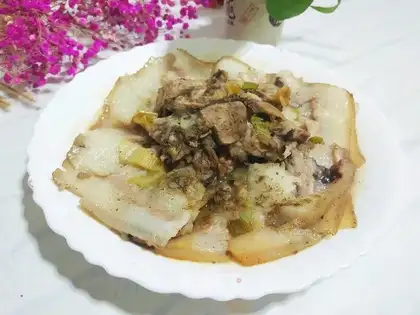 Steaming meat"
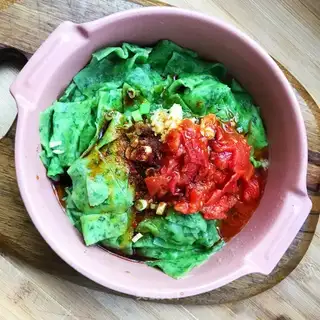 Soup sauce and greasy pickles"
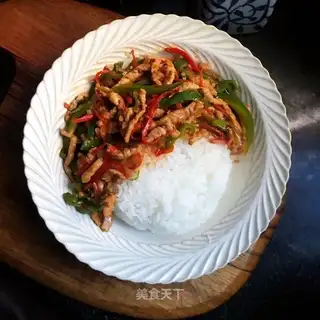 Pepper meat and rice"
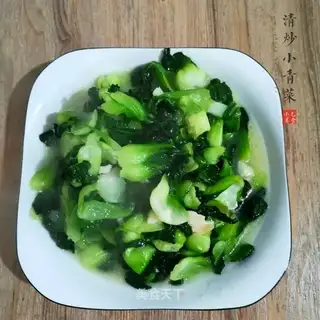 Clear the green"
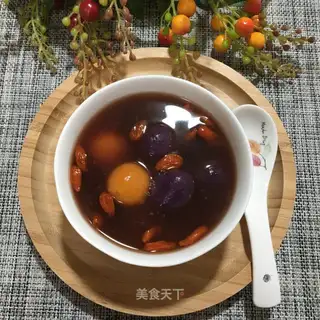 Red sugar makes double soup"
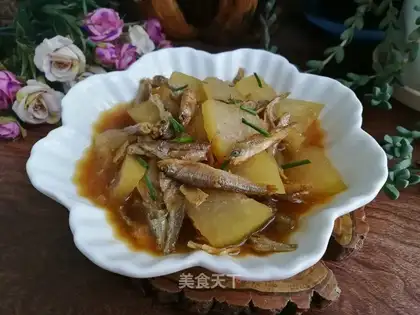 Fish dry-burned melons"
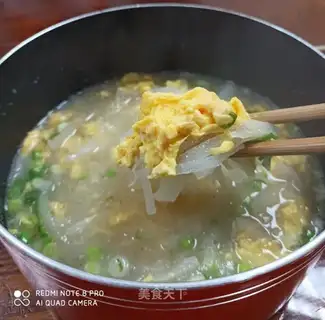 radish egg soup"
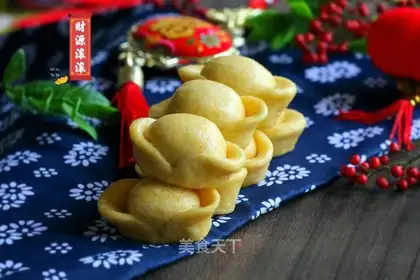 Jinbao"
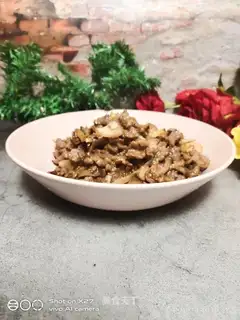 Onions with ginger beef"
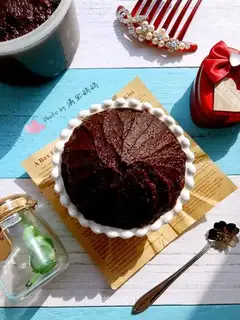 Homemade dates"
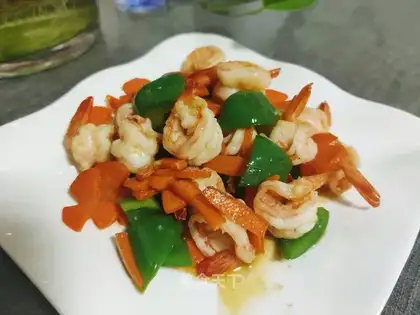 Carrot pepper shrimp balls"
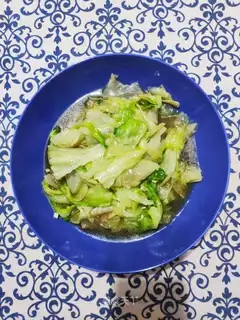 Pelican"
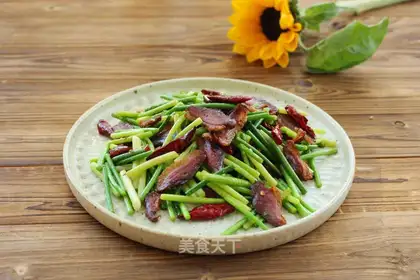 ♪ Goose-dry-dry-dry-dick ♪"
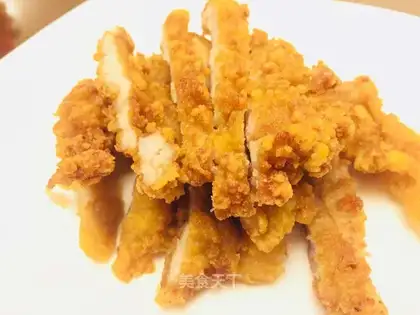 Garlic pork chops"
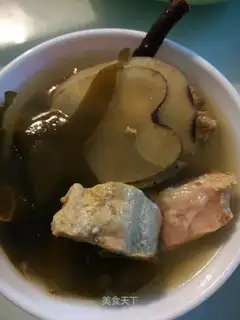 Dragonbone soybeans soup"
 Oil cake"
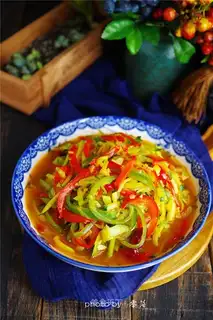 Twin pepper pumpkins"