salty and fresh Recipe
MertieVolkman
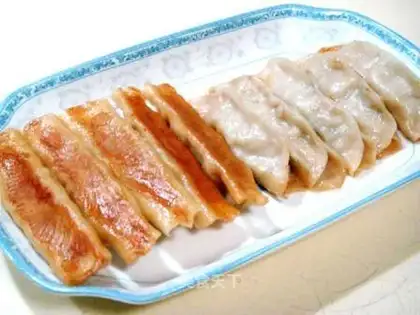
In fact, Beijing's "pot stickers" are imported. They were invented by Shandong people and have a history of more than 200 years in Beijing. Beijing has been a consumer city since ancient times. Before the Ming Dynasty, due to its location as a border fortress, apart from relatively developed commerce, it did not have any unique specialties. <br />Most of the shops in the capital are operated by Shanxi people. The catering industry is the most prosperous among Shandong people, basically monopolizing the ancient market in Beijing. In the past, the Badalou, Badazhuang and Quanjude Roast Duck Restaurants in Beijing were all opened by people from Shandong. The chefs used were mainly from Fushan in Shandong, and the waiters were all from Muping in Shandong. <br />Today's Beijing snacks and dishes are basically based on Shandong cuisine. After historical changes and continuous improvement, they have evolved into today's Beijing cuisine. The authentic Beijing "pot stickers" and bague-fried fire are evolved from Shandong's "fried dumplings". These two snacks are very famous and are one of the favorite delicacies of Beijingers. <br />It is said that the Empress Dowager Cixi liked to eat dumplings very much, but she refused to eat them once they were cold. Therefore, the chefs in the imperial dining room had to constantly cook hot dumplings. The Empress Dowager Cixi ate three or two eunuchs and removed them. She also had to discard the cold dumplings and then serve a new plate. It was a waste every time the Empress Dowager ate dumplings. One day, the Empress Dowager went to Jingxinzhai in Beihai Park. She was enjoying flowers in the back garden and smelled the fragrance of the lotus market outside the palace wall. So she walked up to the viewing building in the garden curiously and saw hawkers frying the food shaped like dumplings. The food with golden dough was ordered to buy some and taste it. She felt that the skin was crispy and the filling was juicy and quite delicious. Later, the steward learned that these were dumplings discarded in the imperial kitchen and were secretly sold to the palace by the eunuchs. Because the dumplings were cold and stuck to each other, they were not easy to cook with water, so they were fried and eaten hot. This time, the dumplings discarded in the palace returned to the queen mother's mouth, haha! The person in charge never dared to mention this matter. During the late Qing Dynasty, theft became a common practice in the palace and only hid it from the emperor and the queen mother. The corruption at that time can be seen! <br />Later, the "pot stickers" were very particular. They had to use a pan, apply a slight layer of oil, and place the pot stickers neatly, one by one. When frying, some water should be sprinkled evenly. It is best to use a kettle with a small mouth to sprinkle water on the gaps in the pot stickers so that it can penetrate into the bottom of the flat pot. Cover the lid, fry for two to three minutes, and sprinkle with water again. Pan-fry for another two to three minutes, and then sprinkle with water again. You can sprinkle a little more oil at this time. Serve in about five minutes. When taking out with a shovel, connect five or six pieces together, the bottom is golden yellow, the periphery and upper part are slightly soft and steaming hot. It is best. When eating, the skin is crispy and fluffy, and the filling is rotten and crisp. The aroma is fragrant and has endless aftertaste. What a wonderful enjoyment. There are also differences in the practice of "pot stickers". The real pot stickers are not sealed at both ends, and the filling is exposed outside. And what is fully squeezed is called "pot stickers dumplings", not real "pot stickers". The Manchu people in the flag are very particular. Maybe it was psychological and they were afraid of eating the leftover dumplings spat out by the Lafayette, haha!
JoannieBoehm
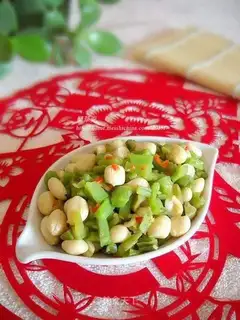
Moss vegetables-green, crisp, delicious and refreshing. They are very resilient green vegetable strips. Also known as moss, fragrant cabbage, mountain jellyfish, and lettuce. The color is bright green, the texture is refreshing, and the taste is like a jellyfish. It has extremely high edible value. It is a pure natural green high-end dehydrated vegetable. <br />Since the Qianlong period of the Qing Dynasty, tribute was paid to the court every year, so it was called "tribute dishes". Because of its sound, crisp and refreshing food, it was vividly called "Xiangcai" by Premier Zhou Enlai in the 1960s and also known as "Mountain Jelly". <br />Tundra contains nutrient-rich protein, pectin, a variety of amino acids, vitamins, and calcium, iron, zinc, carotene, potassium, sodium, phosphorus and other trace elements and carbohydrates necessary for the human body, especially the high content of vitamin E. It is known as "natural health care products, plant nutrients" and can be called a good beauty and anti-cancer product. <br />Tundra is easy to eat, and can be mixed with meat or vegetarian. It can cook vegetables, stew soup, prepare a variety of vegetarian dishes, and make them into northern and southern flavors. The taste is like jellyfish and unique, and it has become a dish advocated by residents in many large and medium-sized cities.
BlakeCollins
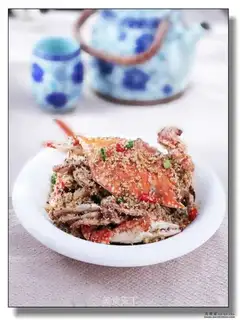
What exactly is a "typhoon shelter"? Why is it popular around the world? <br />Many people will ask this question. <br />From June to September every year, typhoons hit Hong Kong. In order to prevent ships entering and leaving Hong Kong from being hit by typhoons, in 1862, the Hong Kong government built a harbor in the Victoria Harbor for ships to escape typhoons. In addition to being able to berth 50 giant ships, many small ships also came here to escape typhoons. There were 11 places to avoid the wind, the largest of which was Causeway Bay, which was called a typhoon shelter by locals. <br />Since the beginning of the 1960s, due to environmental pollution, it has been difficult for fishermen living off the coast of Hong Kong to catch fish in the waters near Hong Kong, and it has been difficult for them to make a living by fishing alone. Fishermen who have made the sea their home for generations are reluctant to leave the sea. Some fishermen set their sights on Causeway Bay and began to sail to Causeway Bay. They set up stoves and used fishermen's special cooking methods to serve specialty delicacies, such as seafood, porridge, flour, noodles, etc. The most famous ones are "Typhoon Shelter Chili Fried Crab","Typhoon Shelter Grass Shrimp","Typhoon Shelter Fried Noodles","Typhoon Shelter Egg Yolk Crab", etc. <br />Every night falls, fishing boats with lights and colors dock in groups on the shore. People enjoy delicious food and enjoy performances on the small boats rowing. A scene of singing and dancing gradually forms a "water market." <br />Since the beginning of the 80th century,"typhoon shelters" have been brought ashore with their unique flavor. Since then,"typhoon shelters" have quietly emerged in Japan, Singapore, the United States, mainland China and Taiwan. <br />So "Typhoon Shelter" is not the name of a restaurant, it is like "Sichuan cuisine".
LiaReichert
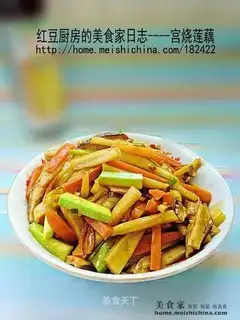
Ingredients: chicken essence,salt,zucchini,carrots,lotus root,mushrooms,water starch,sesame oil,balsamic vinegar,sugar,Crispy sausage,beautiful fresh
BrennaKing
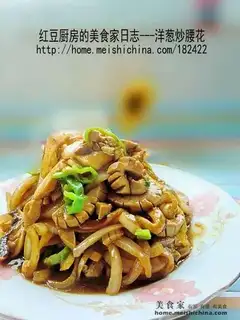
Ingredients: chicken essence,salt,green pepper,onion,mushrooms,pork loin,cooking wine,sesame oil,balsamic vinegar,starch,sugar,soy sauce