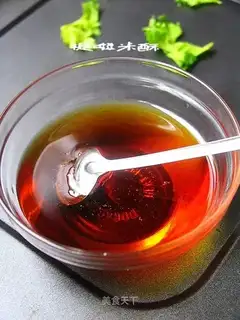
sweetening Recipe
GriffinCole
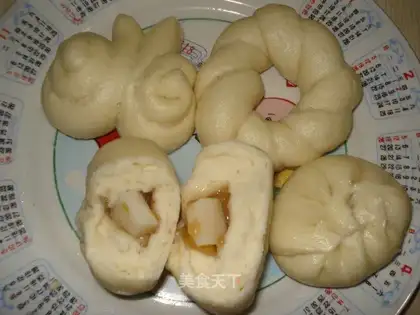
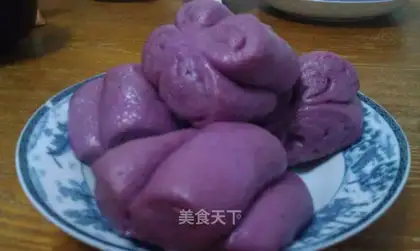
I like to cook, so I took the opportunity to change things for my husband before I started working. First, I can improve my health and have a baby after getting married in two years. Secondly, it's because of my interest. But what I cook is usually for noon and evening. It's difficult to get up in the morning. Hehe, my husband usually goes out and buys steamed buns and eats them with soy milk. Some time ago, it was exposed that there was a problem with milk, and now the milk couldn't be drunk. So we bought a soymilk machine and changed ways to make soymilk and grind rice paste. We enjoyed this kind of life. Now, I have to actively learn how to make breakfast. I will start with steamed buns (the last time I made it failed, and I have summarized the reasons). In the future, I will buy an oven, and my delicious little life will be officially on track. Ho ho ~
LeannBins
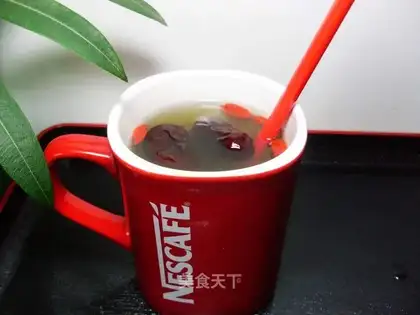
I had a tea today. I have been drinking it since the cold weather, and I feel like I look a little better. Hehe, it may also be a psychological effect. From the perspective of traditional Chinese medicine, astragalus nourishes qi and rises the yang, red dates enrich the blood, invigorate the spleen and stomach, nourish the heart and soothe the nerves, wolfberry nourishes the liver and kidney, enriches essence and improves eyesight, and moistens the blood. These flavors are especially suitable for women for daily health care. They are very suitable for winter, and they also have some curative effects on cold hands and feet.
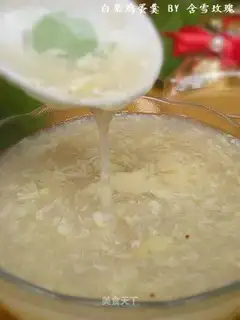
AgnesMorissette
Ginkgo is a nutritious high-level tonic, containing crude protein, crude fat, reducing sugar, nuclear protein, minerals, crude fiber and multiple vitamins. According to scientific conclusions, every 100g of fresh ginkgo contains 13.2 g of protein, 72.6 g of carbohydrates, and 1.3 g of fat. It also contains vitamin C, riboflavin, carotene, and calcium, phosphorus, iron, selenium, potassium, magnesium and other trace elements, 8 kinds of amino acids, have high edible value, medicinal value, and health care value, and have magical effects on human health. <br />Ginkgo nuts contain a variety of nutritional elements. In addition to starch, protein, fat, and sugar, they also contain vitamin c, trace elements such as riboflavin, carotene, calcium, phosphorus, iron, potassium, and magnesium, as well as ginkgolic acid, ginkgolol, five-carbon polysaccharides, liposterols and other ingredients. It has therapeutic effects and medical effects such as replenishing lung qi, treating asthma, stopping insects, shrinking feces, smoothing chapped wrinkles, protecting blood vessels, and increasing blood flow. According to modern medical research, ginkgo biloba also has the effects of smoothing blood vessels, improving brain function, delaying brain aging in the elderly, enhancing memory ability, treating Alzheimer's disease and cerebral blood supply insufficiency. Ginkgo biloba has anti-aging capabilities. Science has a great influence in Germany and France. In addition, ginkgo can also protect the liver, reduce arrhythmia, prevent fatal bronchoconstriction in allergic reactions, and can also be used to deal with asthma, transplant rejection, myocardial infarction, stroke, organ protection and dialysis. <br />Regular consumption of ginkgo can nourish yin, beautify skin and resist aging, dilate capillaries, promote blood circulation, make people's skin and face rosy, rejuvenate their spirits, and prolong life. It is a health food suitable for all ages and a special dish for guests and guests. The flavonoid glycosides and bitter lactone in the seed kernel also have special preventive and therapeutic effects on diseases such as cerebral thrombosis, Alzheimer's disease, hypertension, hyperlipidemia, coronary heart disease, arteriosclerosis, and cerebral dysfunction. <br />Excessive raw or stir-fried food can cause poisoning, and poisoning is particularly common in children by mistake.