light Recipe
EzekielParker
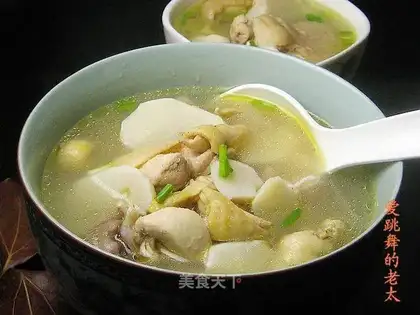
Taro-the specialty of Qidong<br /><br /> It is said that taro was introduced to our country from America for cultivation in the Qing Dynasty. The climate and soil in Haimen and Qidong are the most suitable for the reproduction and growth of taro, making it a famous local dish. <br />There are delicious dishes such as roasted bamboo chicken with taro, dried tea with taro, and cooked taro with cold. <br /><br />During the Ming and Qing Dynasties, fragrant taro was regarded as a treasure in Shanghai and Jiangsu. In 1504, an old book from the Ming Dynasty in Shanghai County said that taro looks like a potato and has a strong fruit. Because the potato is called a foreign sweet potato or potato in Shanghai, it gets its name<br /><br /> Taro is rich in nutrients, excellent in color, aroma and taste, and was once regarded as the king of vegetables. According to measurements, every 100 grams of fresh taro contains 5.15 grams of protein, 0.28 grams of fat, 12.71 grams of carbohydrates, 170 mg of calcium, and 80 mg of phosphorus. Its protein content is 2.1 times that of yam. Eating it has the effects of dispelling accumulation and regulating qi, detoxifying and nourishing the spleen, clearing heat and relieving cough. There are various cooking methods for taro, such as roasting, frying, or stewing. Use it to stew and roast it with chicken and pork. It tastes fragrant but not greasy, and crispy but not rotten. It has always been a must-have excellent dish at festivals and festive banquets.
HubertLind
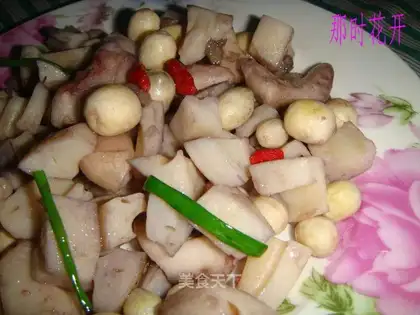
The reason why water chestnut, lotus seeds, and lotus roots are known as the "Three Treasures of Lotus Pond" is not only because lotus seeds are rich in high protein, water chestnut is rich in starch, and new lotus roots are high in sugar, and all three have cooling and summer heat effects; mainly because these vegetables grow in water without using pesticides or chemical fertilizers, and are pollution-free foods. <br />Lotus root:<br /> Lotus root belongs to the water lily family. Eating fresh lotus root raw can clear heat and relieve annoyance, quench thirst and stop vomiting; if fresh lotus root is squeezed to obtain juice, its effect is even greater. The cooked lotus root is sweet and warm in nature, can strengthen the spleen and appetite, enrich the blood and nourish the heart. Therefore, it is mainly used to nourish the five internal organs and has the effects of digestion, quenching thirst and promoting muscle growth. <br />Lotus Seed:<br /> Lotus seeds have a high medicinal price and are a treasure to nourish vitality. <br />water chestnut<br /> The meat of water chestnut is thick and sweet and fragrant. It is suitable for both fresh and old. It is as good as raw and cooked as chestnut. Raw food can be used as a fruit, and cooked food can be used as a substitute for grain. Doctors regard it as a "fruit for health preservation" and a good medicinal diet.
ShannonThompson
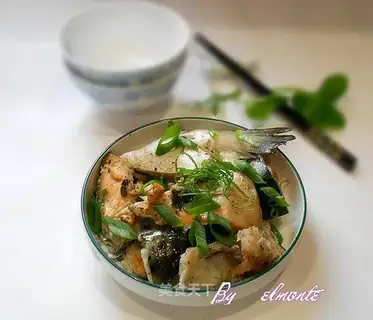
Salmon is salmon. It is rich in unsaturated fatty acids, which can effectively reduce blood lipids and cholesterol, and prevent and treat cardiovascular diseases. The omega-3 fatty acids contained are indispensable substances in the brain, retina and nervous system. It has the effects of enhancing brain function, preventing and treating Alzheimer's disease and preventing vision loss. It can also effectively resist chronic diseases such as diabetes, and enjoys the reputation of "treasures in the water". <br />Salmon fish head is tender and nutritious. In addition to protein, fat, calcium, phosphorus, iron and vitamin B1, it also contains lecithin that is lacking in fish meat. It can enhance memory, thinking and analytical skills and make people smarter; The meat under the gills is transparent and gelatinous, which is rich in collagen, which can fight human aging and repair body cell tissue. <br />This salmon fish head with black bean sauce is simple to make, delicious and delicious.
VidaD'Amore
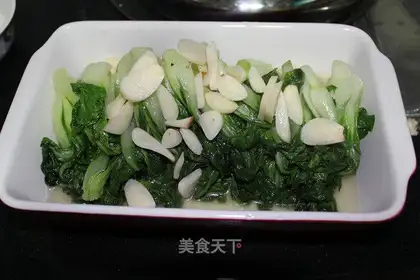
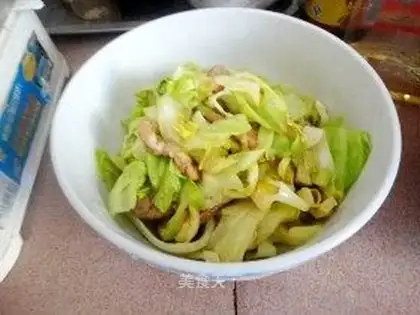
Can be eaten by the general population. <br />1. Especially suitable for patients with arteriosclerosis, gallstones, obese patients, pregnant women and digestive tract ulcers. <br />2. However, patients with itchy skin diseases and eye congestion should not eat it. Cabbage contains a large amount of crude fiber and is hard, so it is not advisable to eat more because of spleen and stomach deficiency, diarrhea, and children with weak spleen; in addition, after abdominal and thoracic surgery, gastrointestinal ulcers and bleeding are particularly serious, diarrhea and liver disease should not be eaten. <br />Cabbage is mild in nature and sweet in taste. It enters the spleen and stomach meridians; it can nourish the bone marrow, moisten the viscera, enrich the heart force, strengthen the muscles and bones, nourish the organs, dispel stagnation of qi, clear heat and relieve pain. Indications for poor sleep, dreaminess, difficulty in hearing and ears, poor joint flexion and extension, gastric pain and other diseases.