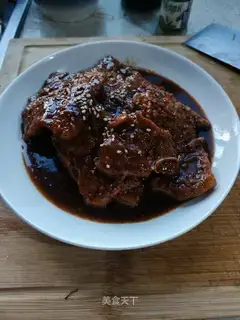
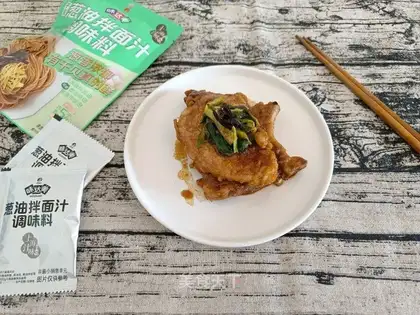
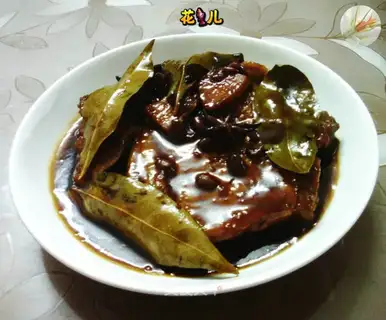
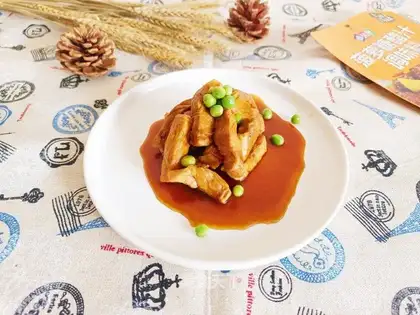
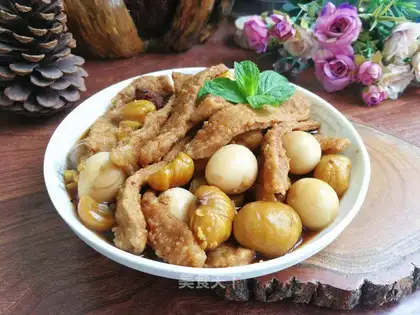
Pork loin, often referred to as the "filet mignon" of pork, is a versatile and nutrient-dense cut of meat that has been a staple in cuisines worldwide for centuries. Derived from the back of the pig, this lean yet tender cut offers a unique balance of protein, vitamins, and minerals, making it a valuable addition to a balanced diet. However, like all foods, pork loin must be consumed mindfully to maximize its benefits and avoid potential risks. This article explores the nutritional profile of pork loin, its health benefits, and important considerations for safe and optimal consumption.
Nutritional Profile of Pork Loin
Pork loin is prized for its impressive nutritional content, which supports muscle growth, immune function, and overall well-being. A 100-gram (3.5-ounce) serving of cooked, lean pork loin (trimmed of visible fat) provides approximately:
- Protein: 22–25 grams, making it an excellent source of high-quality protein. Pork contains all nine essential amino acids, which are crucial for repairing tissues, building muscle, and producing enzymes and hormones.
- Vitamins:
- Vitamin B6: ~0.5 mg (over 30% of the Daily Value, DV). This vitamin plays a key role in metabolism, brain development, and immune function.
- Niacin (Vitamin B3): ~7–8 mg (50% DV). Niacin supports energy production, skin health, and proper digestion.
- Vitamin B12: ~0.6 mg (25% DV). Essential for nerve function, red blood cell formation, and DNA synthesis.
- Thiamine (Vitamin B1): ~0.5 mg (40% DV). Thiamine helps convert food into energy and supports heart and nervous system health.
- Vitamin D: Small amounts, but pasture-raised pork may contain higher levels due to sun exposure.
- Minerals:
- Selenium: ~20–30 mcg (40–50% DV). A powerful antioxidant that protects cells from damage and supports thyroid function.
- Zinc: ~2–3 mg (20–25% DV). Vital for immune health, wound healing, and DNA synthesis.
- Phosphorus: ~200 mg (20% DV). Works with calcium to build strong bones and teeth.
- Iron: ~1 mg (6% DV). Heme iron (more easily absorbed than plant-based iron) helps prevent anemia by supporting oxygen transport in the blood.
- Fat: Lean pork loin contains only 3–5 grams of fat per 100 grams, with most being unsaturated fats (e.g., oleic acid, similar to olive oil). It is low in saturated fat compared to fattier cuts like pork belly.
- Calories: Around 150–180 calories per 100 grams, making it a relatively low-calorie protein source.
Health Benefits of Pork Loin
The nutrient density of pork loin translates to several health benefits when consumed as part of a balanced diet.
1. Supports Muscle Growth and Repair
Protein is the building block of muscle, and pork loin’s high-quality amino acid profile makes it ideal for athletes, older adults, and anyone looking to maintain or increase muscle mass. Leucine, an amino acid abundant in pork, stimulates muscle protein synthesis, aiding in recovery after exercise and preventing age-related muscle loss (sarcopenia).
2. Boosts Immune Function
Pork loin is rich in zinc and selenium, minerals that play critical roles in immune health. Zinc deficiency weakens the immune system, increasing susceptibility to infections, while selenium enhances the activity of antioxidants that protect immune cells from oxidative stress. Additionally, vitamin B6 supports the production of antibodies and white blood cells, further strengthening immunity.
3. Enhances Energy Metabolism
The B vitamins in pork loin—particularly B6, niacin, and thiamine—are essential for converting food into energy. Niacin helps break down carbohydrates, fats, and proteins, while thiamine supports the metabolism of glucose, the body’s primary energy source. For active individuals, these vitamins can help combat fatigue and improve physical performance.
4. Promotes Heart Health
While pork is often associated with high saturated fat, lean pork loin is relatively low in saturated fat and contains heart-healthy unsaturated fats. It is also a good source of potassium, which helps regulate blood pressure by balancing sodium levels. Moreover, the selenium and B vitamins in pork reduce oxidative stress and inflammation, both of which are risk factors for heart disease.
5. Supports Cognitive Function
Vitamin B12 and thiamine are vital for brain health. B12 deficiency has been linked to memory loss, cognitive decline, and nerve damage, while thiamine supports neurotransmitter function and protects against age-related brain diseases. Regular consumption of pork loin may help maintain mental clarity and focus, especially in older adults.
6. Contributes to Healthy Pregnancy
Pork loin’s iron and vitamin B12 content make it beneficial for pregnant women. Iron supports increased blood volume and fetal development, while B12 prevents neural tube defects in babies. However, pregnant women must ensure pork is fully cooked to avoid foodborne illnesses.
食用禁忌 (Dietary Restrictions and Precautions)
While pork loin is nutritious, certain groups should consume it with caution, and improper preparation can pose health risks.
1. Food Safety: Proper Cooking is Essential
Undercooked pork can harbor harmful bacteria, such as Salmonella, E. coli, and Yersinia, as well as parasites like Trichinella. To ensure safety:
- Cook pork loin to an internal temperature of 63°C (145°F), as measured by a meat thermometer.
- Avoid consuming raw or undercooked pork dishes (e.g., rare pork chops or undercooked ground pork).
- Store pork at 4°C (40°F) or below and use within 2–3 days of purchase to prevent bacterial growth.
2. Sodium Intake in Processed Varieties
Some pork loin products, such as cured bacon, ham, or marinated cuts, are high in sodium due to added salt or preservatives. Excessive sodium intake can increase blood pressure and raise the risk of heart disease and stroke. Opt for fresh, unseasoned pork loin and limit processed varieties. If consuming cured pork, balance it with potassium-rich foods (e.g., bananas, spinach) to counteract sodium’s effects.
3. Saturated Fat and Cholesterol Considerations
Though lean, pork loin contains small amounts of saturated fat and cholesterol. Individuals with high cholesterol, heart disease, or a family history of cardiovascular issues should consume pork loin in moderation (2–3 times per week) and pair it with fiber-rich foods (e.g., vegetables, whole grains) to reduce cholesterol absorption.
4. Allergies and Sensitivities
Pork allergies are rare but can cause symptoms ranging from hives and digestive upset to anaphylaxis in severe cases. People with known pork allergies should avoid pork loin entirely. Additionally, some individuals may experience sensitivities to purines (compounds found in pork), which can trigger gout flare-ups in those with pre-existing gout.
5. Cultural and Religious Restrictions
Pork is prohibited in Islam, Judaism, and some Hindu and Buddhist traditions. Respecting these dietary restrictions is essential in multicultural settings. For those who choose to avoid pork for ethical or environmental reasons, plant-based protein sources (e.g., tofu, lentils, tempeh) can provide similar nutritional benefits.
Conclusion
Pork loin is a nutrient-rich meat that offers a wide range of health benefits, from muscle growth to immune support. Its high protein content, abundance of B vitamins, and essential minerals make it a valuable addition to a balanced diet. However, safe preparation, mindful consumption, and awareness of individual health needs are crucial to avoiding risks such as foodborne illness or excessive sodium intake.
For most people, incorporating lean pork loin into meals 2–3 times a week can be a healthy choice, especially when paired with vegetables, whole grains, and healthy fats. By understanding its nutritional profile and adhering to best practices for consumption, pork loin can be enjoyed as both a delicious and nourishing part of a healthy lifestyle. Whether grilled, roasted, or stir-fried, this versatile cut continues to earn its place as a favorite among chefs and health-conscious individuals alike.