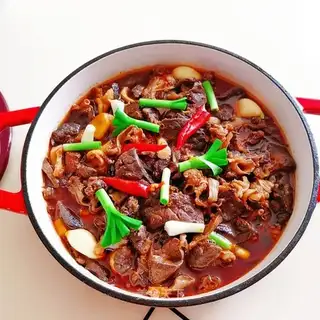
Pork lung, a lesser-known but nutrient-dense organ meat, has been a staple in traditional cuisines across Asia, Europe, and Latin America for centuries. Often overshadowed by more popular cuts like pork loin or belly, this organ boasts a unique nutritional profile and a range of health benefits when prepared and consumed correctly. However, its consumption is also surrounded by misconceptions and cautionary notes due to its role as a respiratory organ. This article explores the nutritional value of pork lung, its potential health benefits, and important precautions to ensure safe and enjoyable consumption.
Nutritional Value of Pork Lung
Pork lung is a low-calorie, high-protein food rich in essential vitamins and minerals, making it a valuable addition to a balanced diet. According to the U.S. Department of Agriculture (USDA), a 100-gram serving of cooked pork lung contains approximately:
- Protein: 20 grams, providing all essential amino acids necessary for muscle repair, immune function, and enzyme production.
- Fat: 2–3 grams, mostly unsaturated fats, with minimal saturated fat compared to other pork cuts.
- Calories: Around 100–120 calories, making it a lean option for those managing weight.
- Vitamins:
- Vitamin B12: 3–4 micrograms, over 100% of the daily recommended intake (DRI). This vitamin is critical for nerve function, DNA synthesis, and red blood cell formation.
- Vitamin A: 15–20% of the DRI, supporting vision, immune health, and skin integrity.
- Riboflavin (B2) and Niacin (B3): Essential for energy metabolism and skin health.
- Minerals:
- Iron: 15–20% of the DRI, aiding in oxygen transport and preventing anemia.
- Zinc: 20–25% of the DRI, crucial for immune function and wound healing.
- Selenium: A powerful antioxidant that protects cells from damage.
- Copper and Phosphorus: Support bone health and energy production.
Notably, pork lung is low in carbohydrates and cholesterol (around 300 mg per 100 grams), though its cholesterol content is moderate compared to other organ meats like liver.
Health Benefits of Pork Lung
The nutrient composition of pork lung translates to several health benefits, particularly when consumed as part of a varied diet.
1. Supports Respiratory Health
Pork lung is traditionally believed to benefit the respiratory system, a notion rooted in the "like supports like" principle of traditional Chinese medicine (TCM). It is rich in sulfur-containing amino acids (like cysteine) and glycogen, which may help maintain the elasticity and health of lung tissue. While modern research is limited, some studies suggest that these compounds could support mucosal membrane integrity and reduce inflammation in the respiratory tract.
2. Enhances Immune Function
The high zinc and selenium content in pork lung plays a key role in immune regulation. Zinc deficiency impairs immune cell function, increasing susceptibility to infections, while selenium boosts antioxidant defenses and supports antibody production. A single serving of pork lung can meet a significant portion of daily zinc and selenium needs, making it a valuable food for immune support.
3. Promotes Muscle Maintenance and Recovery
With 20 grams of protein per 100 grams, pork lung is an excellent source of high-quality protein for athletes, older adults, or those recovering from illness. Protein provides the building blocks for muscle tissue, helping to prevent age-related muscle loss (sarcopenia) and supporting post-exercise recovery.
4. Supports Energy Metabolism
Pork lung is rich in B vitamins, particularly B12, riboflavin, and niacin, which are cofactors in energy-producing metabolic pathways. Vitamin B12, in particular, is vital for converting food into usable energy, and its deficiency can lead to fatigue and weakness.
5. Contributes to Skin and Hair Health
The combination of vitamin A, zinc, and protein in pork lung supports skin repair and collagen production. Vitamin A helps maintain skin integrity, while zinc reduces inflammation and promotes wound healing. These nutrients may also contribute to healthy hair by supporting follicle strength and sebum production.
Precautions and Potential Risks
Despite its benefits, pork lung consumption requires caution due to its biological function as a filter for toxins and pathogens in the pig’s respiratory system. Here are key considerations:
1. Source and Quality
Pork lung is highly susceptible to contamination from bacteria (e.g., Salmonella, E. coli) and parasites, as it is exposed to airborne pathogens. To minimize risk:
- Choose fresh, high-quality lungs: Look for pinkish-red color, firm texture, and no off-odors. Avoid lungs with dark spots, lesions, or excessive fluid.
- Buy from reputable suppliers: Opt for organic or pasture-raised pork when possible, as these animals are less likely to be exposed to antibiotics or hormones.
2. Thorough Cooking
Pork lung must be cooked to an internal temperature of 74°C (165°F) to kill harmful bacteria. Undercooked lung can cause foodborne illnesses. Cooking methods such as boiling, stewing, or grilling are recommended, as they ensure even heating.
3. Purging and Cleaning
Before cooking, pork lung should be thoroughly cleaned to remove blood, mucus, and impurities:
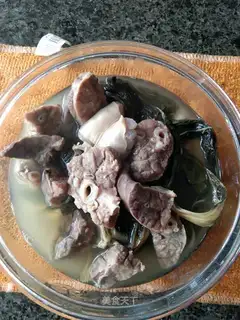
- Rinse under cold water: Soak the lung in water with a tablespoon of vinegar or salt for 30 minutes to draw out impurities.
- Trim excess fat and membranes: Remove any visible fat, cartilage, or damaged tissue.
4. Cholesterol and Sodium Concerns
While pork lung is leaner than other pork cuts, it contains moderate cholesterol (300 mg per 100 grams). Individuals with high cholesterol or cardiovascular issues should consume it in moderation (1–2 times per week). Additionally, processed pork lung products (e.g., sausages) may be high in sodium, so opt for fresh, unprocessed varieties.
5. Purine Content
Pork lung is moderately high in purines, which can trigger gout in susceptible individuals. Those with a history of gout or kidney problems should limit intake or consult a healthcare provider.
6. Cultural and Religious Considerations
In some cultures, organ meats are avoided due to beliefs about their "toxic" nature or religious restrictions (e.g., kosher or halal dietary laws). Consumers should respect these preferences and ensure compliance with dietary norms.
Culinary Uses and Preparation Tips
Pork lung is versatile in cooking and can be incorporated into a variety of dishes:
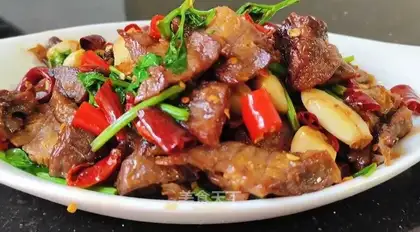
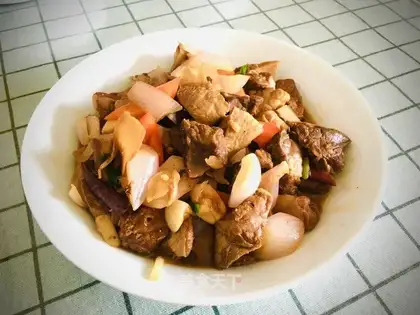
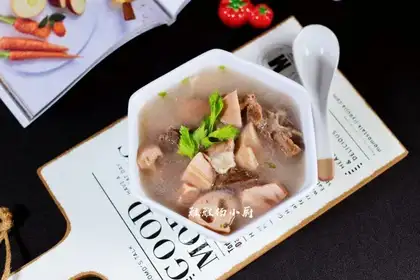
- Soups and Stews: In Chinese cuisine, pork lung is often simmered in herbal broths (e.g., ma la tang) or congee to enhance respiratory health.
- Grilled or Stir-Fried: Marinated and grilled pork lung is popular in Mediterranean and Latin American cuisines, often seasoned with herbs and spices.
- Stuffings and Sausages: Ground pork lung can be mixed with other meats to make sausages or stuffings, adding moisture and nutrients.
- Salads: Thinly sliced, cooked pork lung can be added to salads for a protein boost, paired with fresh vegetables and light dressings.
To retain nutrients, avoid overcooking; methods like steaming or quick stir-frying preserve vitamins better than prolonged boiling.
Conclusion
Pork lung is a nutrient-rich food that offers unique health benefits, from supporting respiratory and immune function to promoting muscle maintenance and energy metabolism. However, its safety depends on careful sourcing, thorough cleaning, and proper cooking. When consumed in moderation as part of a balanced diet, pork lung can be a valuable and flavorful addition to meals. By understanding its nutritional profile and adhering to precautionary measures, individuals can enjoy this underrated organ meat while minimizing potential risks. As with any food, moderation and mindfulness are key to reaping its benefits safely.