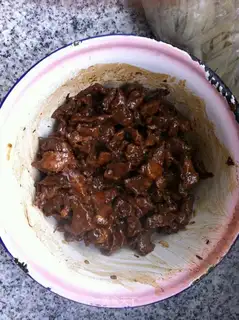
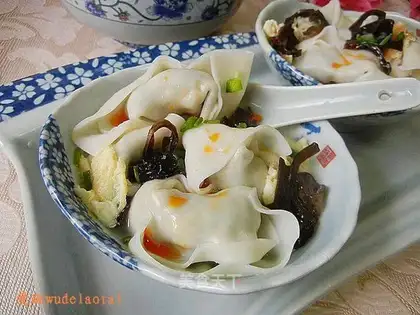
Shepherd's purse is also known as protective grass and water chestnut. Serve young leaves for food. Originally in our country, it is now spread all over the world. Our country has collected wild shepherd's purse for consumption since ancient times, and all records of shepherd's purse were completed as early as 300 BC. <br />The nutritional value of shepherd's purse is very high. Every 100 grams of shepherd's purse contains 5.2 grams of protein, 0.4 grams of fat, 6 grams of carbohydrates, 420 mg of calcium, 73 mg of phosphorus, 6.3 mg of iron, 0.19 mg of riboflavin, 55 mg of vitamins Celsius, and 0.7 mg of niacin. <br />Shepherd's purse can be stir-fried, cold, made into vegetable fillings, and vegetable soups. It has a variety of eating methods and a special flavor. <br /><br />In our hometown, my favorite spring thing is shepherd's purse wonton! There is a lot of stuffing, eat a bowl, and you won't feel sleepy in spring!
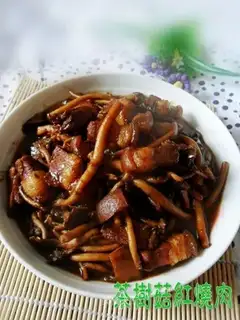
1. The protein of tea tree mushroom is rich in nutrients, among which there are 18 kinds of amino acids in the protein, and the 8 kinds of amino acids essential for the human body are complete, and the lysine content is as high as 1.75%. <br />2. Tea tree mushroom also contains nutrients such as dextran, bacterial protein, carbohydrates, and anti-cancer polysaccharides, and is rich in B vitamins and mineral elements such as potassium, sodium, calcium, magnesium, iron, and zinc. <br /><br />1. Cancer prevention and cancer<br /> People call tea tree mushroom "Chinese magic mushroom","health food", and "anti-cancer vanguard". <br />2. Anti-aging<br /> It has the effects of tonifying kidney and nourishing yin, strengthening spleen and stomach, improving human immunity, and enhancing human disease prevention ability. Regular consumption can play anti-aging, beauty and other roles. <br />3. Relieve bedwetting in children<br /> Tea tree mushroom has a unique effect on frequent urination, edema, asthma, especially low-grade bed wetting in children.