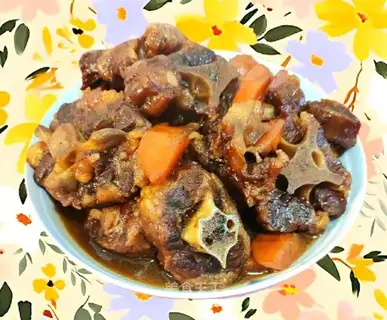
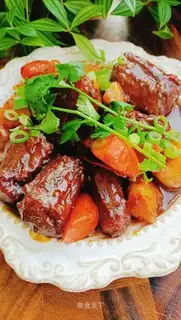
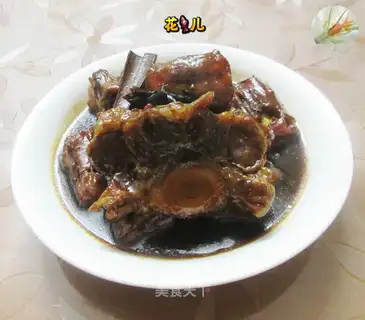
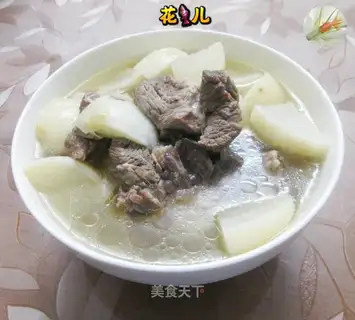
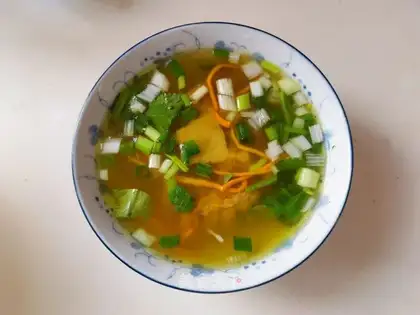
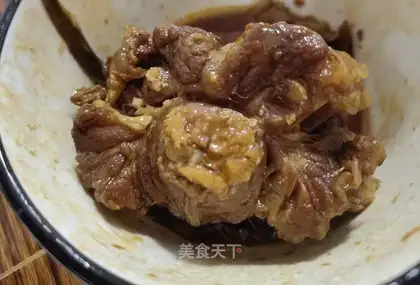
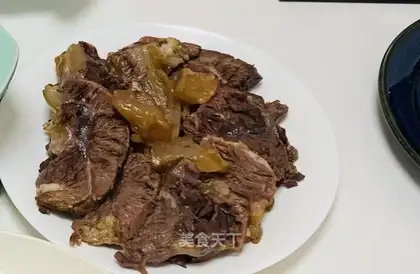
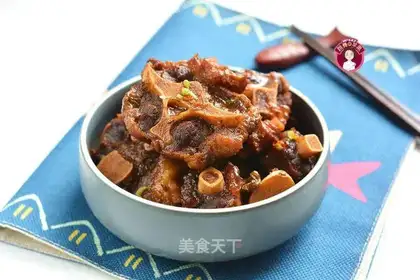
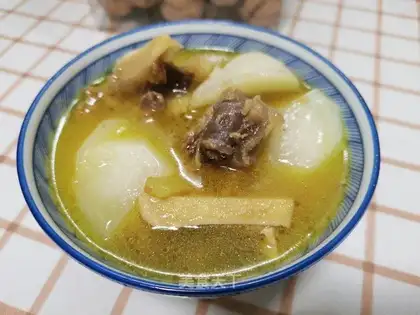
Beef tail, often overlooked in mainstream cuisine, is a hidden gem of culinary and nutritional value. This humble cut, comprising the tail of cattle, has been a staple in traditional dishes across cultures—from rich French soupe à la queue to hearty West African stews and Asian braised preparations. Beyond its role in creating sumptuous broths and tender meat, beef tail packs a impressive nutritional profile, offering unique health benefits when consumed mindfully. This article explores the nutritional composition of beef tail, its scientifically supported health benefits, potential risks, and practical considerations for safe consumption.
I. Nutritional Composition of Beef Tail
Beef tail is a nutrient-dense meat, prized for its unique balance of macronutrients, essential vitamins, and minerals. Its nutritional profile varies slightly based on factors such as the animal’s diet, age, and cooking method, but a typical 100-gram serving of cooked beef tail (without added fat) contains approximately:
1. High-Quality Protein
Beef tail is an excellent source of complete protein, providing all nine essential amino acids that the body cannot synthesize independently. A 100-gram serving contains around 20-25 grams of protein, making it valuable for muscle repair, tissue maintenance, and immune function. The collagen-rich connective tissues in beef tail also contribute to its protein content, distinguishing it from leaner cuts like sirloin.
2. Healthy Fats
While beef tail contains more fat than lean cuts, the majority is monounsaturated and saturated fat, with smaller amounts of polyunsaturated fat (including omega-3 and omega-6 fatty acids). The fat in grass-fed beef tail, in particular, is richer in conjugated linoleic acid (CLA), a fatty acid linked to improved metabolic health and reduced inflammation.
3. Essential Vitamins
- Vitamin B12: Beef tail is a standout source of vitamin B12, with a single serving providing over 100% of the daily recommended intake. This vitamin is critical for nerve function, DNA synthesis, and red blood cell formation.
- B Vitamins (Niacin, B6, Riboflavin): These vitamins play key roles in energy metabolism, brain health, and skin integrity.
- Vitamin D: Grass-fed beef tail contains small but significant amounts of vitamin D, which supports bone health and immune regulation.
4. Key Minerals
- Iron: Beef tail is heme iron, the most easily absorbed form of iron, which is vital for preventing anemia and supporting oxygen transport in the blood.
- Zinc: A 100-gram serving provides 30-40% of the daily zinc requirement, essential for immune function, wound healing, and DNA synthesis.
- Phosphorus and Magnesium: These minerals are crucial for bone health, energy production, and muscle function.
- Selenium: A powerful antioxidant that protects cells from damage and supports thyroid health.
5. Collagen and Gelatin
The defining feature of beef tail is its high collagen content, a structural protein that breaks down into gelatin during slow cooking. Collagen supports joint health, skin elasticity, and gut integrity, while gelatin aids in digestion by helping to break down foods and absorb nutrients.
II. Health Benefits of Beef Tail
The combination of protein, healthy fats, vitamins, and collagen in beef tail translates to a range of health benefits, supported by both traditional use and modern research.
1. Supports Joint and Bone Health
Collagen and gelatin derived from beef tail are particularly beneficial for joint health. Studies show that collagen supplementation can reduce joint pain and stiffness in individuals with osteoarthritis by promoting cartilage regeneration and reducing inflammation. The phosphorus, magnesium, and vitamin D in beef tail further strengthen bones, making it a valuable food for preventing age-related bone loss.
2. Enhances Muscle Mass and Recovery
As a rich source of complete protein and amino acids (especially leucine), beef tail supports muscle protein synthesis, making it ideal for athletes, older adults, and those recovering from injury. The slow-cooked nature of beef tail dishes (e.g., stews and braises) also makes the protein highly digestible, minimizing strain on the digestive system.
3. Boosts Immune Function
The high zinc and vitamin B12 content in beef tail plays a pivotal role in immune health. Zinc deficiency impairs immune cell function, increasing susceptibility to infections, while vitamin B12 supports the production of white blood cells. Additionally, selenium’s antioxidant properties help reduce oxidative stress, which can weaken the immune system over time.
4. Promotes Skin and Hair Health
Collagen is a major component of skin, providing strength and elasticity. As we age, collagen production declines, leading to wrinkles and sagging skin. Consuming collagen-rich beef tail may help replenish the body’s collagen stores, improving skin hydration and reducing the appearance of fine lines. Gelatin also supports hair health by strengthening hair follicles and preventing breakage.
5. Improves Digestive Health
Gelatin derived from beef tail aids digestion by soothing the gut lining and supporting the production of stomach acid, which is essential for breaking down food. It also helps maintain a healthy balance of gut bacteria by providing amino acids that serve as fuel for beneficial gut microbes. For individuals with conditions like leaky gut syndrome, collagen and gelatin may help repair the intestinal barrier.
6. Supports Weight Management
The high protein and fat content in beef tail promotes satiety, reducing hunger and cravings. Protein also has a higher thermic effect of food (TEF) than carbs or fats, meaning the body burns more calories digesting it. When consumed as part of a balanced diet, beef tail can help regulate appetite and support healthy weight loss.
III. Potential Risks and Precautions
While beef tail offers numerous health benefits, it is important to consume it in moderation and with awareness of potential risks, particularly for certain populations.
1. High Purine Content and Gout Risk
Beef tail is high in purines, natural compounds that break down into uric acid in the body. Excess uric acid can lead to hyperuricemia, a condition characterized by high uric acid levels in the blood, which may trigger gout—a painful form of arthritis. Individuals with gout, a history of kidney stones, or high uric acid should limit their intake of beef tail or avoid it altogether. The Arthritis Foundation recommends limiting purine-rich foods to 100-150 grams per day for those at risk.
2. Saturated Fat and Heart Health
While beef tail contains healthy fats, it is also relatively high in saturated fat, which can raise LDL (“bad”) cholesterol levels when consumed in excess. For individuals with existing heart disease or high cholesterol, moderation is key. Opting for leaner cuts or trimming visible fat can reduce saturated fat intake. Grass-fed beef tail is a better choice, as it contains more monounsaturated fats and CLA, which have heart-protective effects.
3. Sodium Content in Prepared Dishes
Many traditional beef tail recipes, such as stews and broths, call for added salt or sodium-rich ingredients (e.g., soy sauce, broth). Excess sodium can contribute to high blood pressure and increase the risk of cardiovascular disease. To mitigate this, use low-sodium broths, limit added salt, and flavor dishes with herbs, spices, and citrus instead.
4. Contaminant and Quality Concerns
As with all animal products, the quality of beef tail is crucial. Choose organic or grass-fed beef when possible, as it is less likely to contain antibiotics, hormones, or environmental toxins. Avoid beef tail from animals that appear unhealthy or from untrusted sources, as contamination with bacteria like E. coli or Salmonella is a risk if not cooked properly.
5. Allergies and Intolerances
While rare, some individuals may be allergic to beef or collagen. Symptoms can range from mild (hives, itching) to severe (anaphylaxis). Those with known beef allergies should avoid beef tail entirely. Additionally, individuals with histamine intolerance may react to aged or improperly stored beef tail, as histamine levels increase in meat over time.
IV. Safe Consumption and Preparation Tips
To maximize the benefits of beef tail while minimizing risks, follow these guidelines:
1. Choose High-Quality Beef Tail
- Opt for grass-fed, organic beef tail to avoid antibiotics, hormones, and environmental toxins.
- Look for fresh, firm meat with a bright red color (or deep red for grass-fed) and no off-odor.
2. Cook Thoroughly to Kill Bacteria
Beef tail must be cooked to an internal temperature of 145°F (63°C) to ensure safety. Slow cooking methods (braising, stewing, or making broth) are ideal, as they break down collagen and connective tissues, making the meat tender and easy to digest.
3. Limit Portion Sizes
For most healthy adults, a 100-150 gram serving of beef tail 1-2 times per week is sufficient. Individuals with gout, kidney disease, or high cholesterol should consult a healthcare provider to determine a safe portion size.
4. Balance with Other Foods
Pair beef tail with nutrient-dense sides to create a balanced meal. For example, serve braised beef tail with roasted vegetables (rich in fiber and vitamins) or a side of whole grains (e.g., quinoa or brown rice) to boost fiber intake.
5. Use Broth Wisely
Beef tail broth is rich in collagen and minerals but can be high in sodium if store-bought. Make homemade broth using low-sodium broth and strain off excess fat before use.
V. Culinary Uses and Global Recipes
Beef tail’s versatility in the kitchen makes it a favorite among chefs home cooks alike. Here are a few popular ways to prepare it:
1. French Soupe à la Queue
A classic French soup made by simmering beef tail with vegetables (carrots, onions, celery), herbs (thyme, bay leaf), and tomatoes for hours. The result is a rich, collagen-packed broth with tender meat, often served with crusty bread.
2. West African Beef Tail Stew
In countries like Nigeria and Ghana, beef tail is braised with tomatoes, peppers, onions, and spices (ginger, nutmeg, and chili) until fall-off-the-bone tender. It is typically served with rice or fufu.
3. Asian Braised Beef Tail
In Chinese cuisine, beef tail is braised in a mixture of soy sauce, star anise, cinnamon, and rock sugar, creating a savory-sweet dish called wei wei (尾尾). It is often served as a dim sum dish or with steamed rice.
4. Beef Tail Bone Broth
Simmer beef tail with vegetables, apple cider vinegar, and herbs for 12-24 hours to make nutrient-dense bone broth. The broth can be consumed on its own or used as a base for soups, stews, and sauces.
Conclusion
Beef tail is a nutritional powerhouse that offers a unique blend of protein, collagen, vitamins, and minerals, supporting joint health, muscle recovery, immune function, and more. While it is not without risks—particularly for those with gout, heart disease, or kidney issues—these can be mitigated by choosing high-quality meat, cooking it properly, and consuming it in moderation.
In a world where lean cuts often dominate the spotlight, beef tail reminds us that value lies not just in the “tender” parts of an animal, but in its ability to nourish deeply and sustainably. Whether in a steaming bowl of soup or a hearty stew, beef tail is a testament to the wisdom of traditional cuisine and the untapped potential of humble ingredients. By understanding its benefits and precautions, we can all enjoy this underrated cut as part of a healthy, balanced diet.