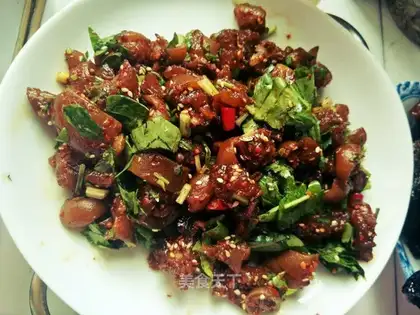
Beef tendon, a collagen-rich connective tissue from cattle, has been a prized ingredient in culinary traditions worldwide for centuries. Renowned for its unique texture—chewy, gelatinous, and slow-cooking tender—it is not only a staple in broths, stews, and braised dishes but also a nutritional powerhouse. Often overshadowed by muscle meats like steak or tenderloin, beef tendon offers distinct health benefits, from supporting joint health to enhancing skin vitality. However, like any food, it must be consumed mindfully to avoid potential risks. This article explores the nutritional profile of beef tendon, its scientifically supported health benefits, and important precautions for safe consumption.
I. Nutritional Value of Beef Tendon
Beef tendon is primarily composed of collagen, a structural protein that accounts for over 80% of its dry weight. Unlike muscle meats, which are rich in myofibrillar proteins, tendon collagen is dominated by type I and type III fibrillar collagen, which break down into gelatin upon prolonged cooking. This transformation not only improves digestibility but also enhances the bioavailability of collagen-derived amino acids.
1. Protein and Amino Acid Profile
Beef tendon is an excellent source of high-quality protein, providing all essential amino acids (EAAs) required by the human body. Key amino acids include glycine, proline, and hydroxyproline, which are abundant in collagen. Glycine, the most abundant amino acid in tendon, plays a critical role in detoxification, immune function, and the synthesis of glutathione, the body’s master antioxidant. Proline and hydroxyproline are vital for collagen synthesis, supporting the repair of skin, bones, and connective tissues.
A 100-gram serving of cooked beef tendon contains approximately 30–35 grams of protein, with minimal fat (2–3 grams) and no carbohydrates. This makes it a lean protein source, ideal for individuals seeking to build muscle or maintain a low-fat diet.
2. Collagen and Gelatin
The most notable nutritional feature of beef tendon is its collagen content. Collagen is the most abundant protein in the human body, found in skin, bones, tendons, ligaments, and cartilage. As we age, natural collagen production declines by 1–1.5% annually after age 30, leading to wrinkles, joint pain, and reduced tissue elasticity. Consuming collagen-rich foods like beef tendon helps replenish this decline.
When slow-cooked, tendon collagen hydrolyzes into gelatin, a form of collagen that is easier to digest. Gelatin contains amino acids that stimulate the production of gastric juices, improving digestion and nutrient absorption. Studies also suggest that gelatin may enhance gut health by strengthening the intestinal lining and reducing inflammation.
3. Minerals and Trace Elements
Beef tendon is a good source of essential minerals, including calcium, magnesium, phosphorus, and iron. These minerals are crucial for bone health, muscle function, and oxygen transport in the blood. For example, phosphorus works in tandem with calcium to maintain bone density, while iron supports hemoglobin production, preventing anemia.
A 100-gram serving of cooked beef tendon provides approximately 10–15% of the daily recommended intake of iron, making it particularly beneficial for individuals with iron deficiency, such as pregnant women or athletes.
4. Low in Fat and Calories
Unlike fatty cuts of beef, tendon is exceptionally lean, with only 2–3 grams of fat per 100-gram serving. The majority of its fat consists of monounsaturated and saturated fats, with negligible amounts of cholesterol. This makes it a heart-healthy protein option, especially for those managing weight or reducing saturated fat intake.
II. Health Benefits of Beef Tendon
The unique composition of beef tendon translates into a range of health benefits, from joint support to skin rejuvenation. Below are the most well-documented advantages:
1. Supports Joint Health and Reduces Pain
Collagen is a key component of cartilage, the flexible tissue that cushions joints and absorbs shock. As cartilage degenerates due to aging or injury, conditions like osteoarthritis can develop. Research shows that collagen supplementation may help alleviate joint pain and improve mobility by stimulating cartilage repair. A 2017 study published in Nutrients found that participants with osteoarthritis who consumed collagen peptides for 24 weeks reported a 40% reduction in pain and improved joint function.
Beef tendon’s gelatin content further enhances this benefit. Gelatin provides the building blocks for collagen synthesis, helping to maintain the integrity of tendons, ligaments, and cartilage. Regular consumption may also reduce inflammation in joints, easing symptoms of arthritis.
2. Promotes Skin Health and Anti-Aging
The skin’s structure relies heavily on collagen, which provides elasticity, firmness, and hydration. As collagen production declines with age, the skin becomes prone to wrinkles, sagging, and dryness. Beef tendon’s high collagen content helps counteract this by replenishing the skin’s collagen stores.
Studies suggest that collagen peptides from tendon improve skin hydration, elasticity, and roughness. A 2019 randomized controlled trial in Journal of Cosmetic Dermatology found that women who consumed collagen supplements for 8 weeks experienced a significant increase in skin hydration and a reduction in wrinkle depth. While most studies focus on supplemental collagen, dietary sources like beef tendon are believed to offer similar benefits when cooked properly to enhance digestibility.
3. Strengthens Bones and Connective Tissues
Collagen is not only essential for skin but also for bone health. Bones consist of a collagen matrix that provides flexibility, with minerals like calcium and phosphorus adding rigidity. A decline in collagen weakens this matrix, increasing the risk of fractures and osteoporosis.
Beef tendon’s collagen and mineral content work synergistically to support bone density. Glycine, proline, and hydroxyproline in collagen stimulate osteoblasts (bone-forming cells), while calcium and phosphorus enhance mineralization. A 2020 study in The American Journal of Clinical Nutrition linked higher collagen intake with a reduced risk of bone fractures in postmenopausal women, highlighting the importance of dietary collagen for skeletal health.
4. Enhances Digestive Health
Gelatin derived from beef tendon has been traditionally used to support digestive function. It contains amino acids like glycine and proline, which stimulate the production of stomach acid and digestive enzymes, improving nutrient absorption. Additionally, gelatin may help heal the gut lining by reducing inflammation and supporting the growth of beneficial gut bacteria.
For individuals with conditions like leaky gut syndrome (increased intestinal permeability), gelatin’s ability to strengthen the intestinal barrier may be particularly beneficial. A 2015 study in Nutrition Research found that gelatin supplementation reduced intestinal permeability in mice, suggesting potential applications for human gut health.
5. Boosts Muscle Recovery and Athletic Performance
Athletes and fitness enthusiasts often seek protein sources that support muscle repair and growth. Beef tendon’s high protein content, combined with its low fat, makes it an ideal post-workout meal. The amino acids glycine and proline play a role in muscle tissue repair, while gelatin’s anti-inflammatory properties may reduce exercise-induced muscle soreness.
Moreover, collagen supports the health of tendons and ligaments, which are critical for athletic performance. Strong connective tissues reduce the risk of injuries like sprains or strains, allowing athletes to train more effectively.
III. Precautions and Potential Risks
While beef tendon offers numerous health benefits, it is not suitable for everyone. Certain dietary restrictions, health conditions, and improper preparation methods may pose risks. Below are key precautions to consider:
1. High Purine Content and Gout Risk
Beef tendon is rich in purines, natural compounds that break down into uric acid in the body. Excess uric acid can crystallize in joints, causing gout—a painful form of arthritis. Individuals with a history of gout or high uric acid levels should limit their intake of tendon and other purine-rich foods (e.g., organ meats, shellfish). A study in Arthritis & Rheumatology found that a high-purine diet increases the risk of gout attacks by up to fivefold in susceptible individuals.
2. Sodium Concerns in Processed Tendon
Commercially prepared beef tendon products, such as dried or braised tendons, often contain high levels of sodium to enhance flavor and preservation. Excessive sodium intake is linked to hypertension, heart disease, and kidney problems. For example, a single serving of braised beef tendon may contain 800–1000 mg of sodium, exceeding 30–40% of the daily recommended limit (2300 mg). To reduce sodium intake, opt for fresh tendon and prepare it at home with minimal salt.
3. Digestive Issues for Some Individuals
While gelatin aids digestion for most people, those with sensitive stomachs or conditions like irritable bowel syndrome (IBS) may experience discomfort. The high collagen content can be difficult to digest for some, leading to bloating, gas, or indigestion. Cooking tendon thoroughly and consuming it in moderation can help mitigate these issues.
4. Allergies and Cross-Reactivity
Although rare, allergies to beef collagen or gelatin are possible. Individuals with known beef allergies should avoid tendon entirely. Additionally, those with fish or shellfish allergies may cross-react with collagen supplements, as fish collagen is a common alternative. If unsure, consult a healthcare provider before incorporating tendon into the diet.
5. Proper Preparation is Key
Beef tendon is tough and requires prolonged cooking to become tender and digestible. Undercooked tendon may be hard to chew and cause digestive distress. Traditional methods like simmering for 4–6 hours or pressure cooking for 1–2 hours are recommended to break down collagen into gelatin. Additionally, ensure the tendon is cleaned thoroughly to remove any residual fat, gristle, or impurities.
IV. Culinary Uses and Tips for Incorporating Beef Tendon
Beef tendon’s versatility in cooking makes it easy to incorporate into a balanced diet. Here are some popular culinary uses and preparation tips:
1. Broths and Stews
Tendon is a classic ingredient in hearty broths and stews, where its slow-cooked gelatin enriches the texture and flavor. In Vietnamese phở, tendon is simmered for hours until tender, contributing a chewy bite to the soup. Similarly, in Chinese hot pot, sliced tendon is a popular option that absorbs the broth’s flavors.
2. Braised Dishes
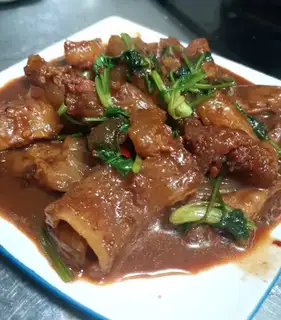
Braised beef tendon, often seasoned with soy sauce, star anise, and ginger, is a staple in Chinese and Korean cuisine. The slow braising process softens the tendon while infusing it with aromatic spices. A popular dish is 牛蹄筋 (beef tendon braised in dark soy sauce), served as a appetizer or main course.
3. Salads and Cold Dishes
Once cooked and chilled, tendon can be sliced thin and added to salads or cold dishes. In Korean cuisine, gyeosan jok (shredded beef tendon salad) is mixed with vegetables and a spicy dressing for a refreshing yet protein-rich meal.
4. Homemade Collagen Broth
For those seeking a nutrient-dense beverage, homemade collagen broth made from beef tendon is an excellent option. Simmering tendon with bones, vegetables, and herbs creates a gelatin-rich broth that supports joint and gut health.
V. Conclusion
Beef tendon is a nutrient-dense ingredient that offers a unique combination of high-quality protein, collagen, and essential minerals. Its benefits—from supporting joint health to promoting skin vitality—make it a valuable addition to a balanced diet. However, individuals with gout, hypertension, or beef allergies should consume it cautiously, and proper preparation is essential to maximize digestibility and minimize risks.
By understanding its nutritional value, health benefits, and precautions, one can enjoy beef tendon as both a culinary delight and a functional food. Whether simmered in a comforting broth or braised in aromatic spices, this humble ingredient proves that traditional foods often hold the key to modern health and wellness. As research on collagen continues to evolve, beef tendon is likely to remain a staple in diets focused on longevity, vitality, and holistic health.