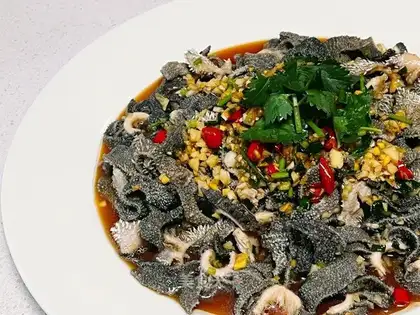
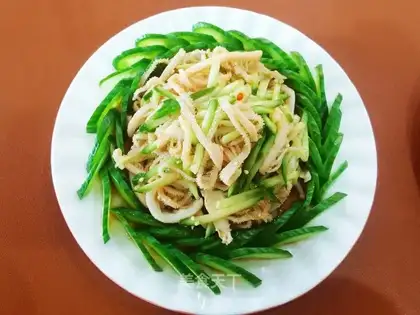
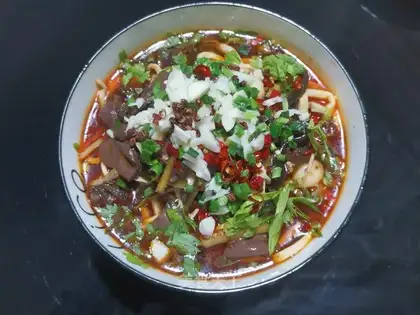
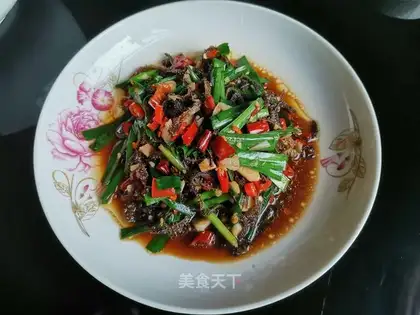
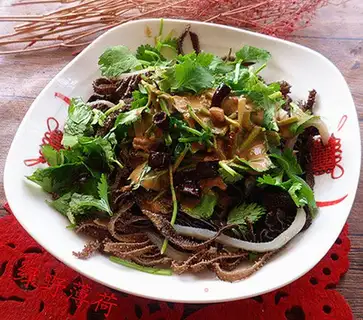
Tripe, the edible lining of a cow’s stomach, has been a staple in cuisines worldwide for centuries—from the panza in Italian broths to the sopa de mondongo in Latin America and the spicy stir-fried dishes in China. Often misunderstood or overlooked in Western diets, this offal variety is a nutritional powerhouse, offering a unique blend of protein, vitamins, and minerals. However, its consumption also requires careful attention to quality, preparation, and individual health conditions. This article explores the nutritional value of tripe, its health benefits, and important considerations to ensure safe and enjoyable consumption.
I. Nutritional Value of Tripe
Tripe is a nutrient-dense food, packed with high-quality protein, essential amino acids, and a range of micronutrients that contribute to overall health. Its nutritional profile varies slightly depending on the type of stomach (rumen, reticulum, omasum, or abomasum) and preparation method, but all varieties offer impressive benefits.
1. High-Quality Protein
Tripe is an excellent source of complete protein, containing all nine essential amino acids that the body cannot produce independently. A 100-gram serving of cooked tripe provides approximately 14–17 grams of protein, making it comparable to lean meats like chicken or fish. Protein is vital for muscle repair, immune function, and enzyme production, making tripe a valuable addition to diets for athletes, growing children, or individuals recovering from illness.
2. Low in Fat and Calories
For those seeking low-fat, high-protein options, tripe is an ideal choice. It contains minimal fat (around 3–5 grams per 100 grams, mostly unsaturated) and is relatively low in calories (around 100–120 calories per 100 grams). This makes it suitable for weight management diets when prepared without excessive oils or fatty sauces.
3. Rich in Vitamins and Minerals
Tripe is a standout source of several key nutrients:
- Vitamin B12: Crucial for nerve function, DNA synthesis, and red blood cell formation, vitamin B12 is predominantly found in animal products. A 100-gram serving of tripe can provide up to 30–50% of the daily recommended intake, making it particularly beneficial for vegetarians or individuals with B12 deficiencies.
- Selenium: This antioxidant mineral supports thyroid function and protects cells from damage. Tripe contains selenium levels comparable to those in seafood, with one serving meeting 20–30% of daily needs.
- Zinc: Essential for immune health, wound healing, and DNA synthesis, zinc is abundant in tripe. A 100-gram serving covers 15–20% of the recommended daily intake.
- Iron: Tripe provides heme iron, the type most easily absorbed by the body, making it effective in preventing iron-deficiency anemia. A serving offers 10–15% of the daily iron requirement.
- Magnesium and Phosphorus: These minerals support bone health, muscle function, and energy metabolism. Tripe contributes 10–15% of the daily value for both per 100 grams.
4. Collagen and Gelatin
Tripe is rich in collagen and gelatin, which are beneficial for joint health, skin elasticity, and gut lining integrity. When slow-cooked, tripe releases these compounds, making broths and stews not only flavorful but also soothing for digestive health.
II. Health Benefits of Tripe
Beyond its nutritional content, tripe offers several health benefits, supported by both traditional medicine and modern research.
1. Supports Digestive Health
In many cultures, tripe-based broths are considered "healing foods" for digestive ailments. The gelatin in tripe helps coat the intestinal lining, reducing inflammation and aiding in the repair of gut permeability ("leaky gut"). Additionally, tripe contains natural enzymes that may assist in breaking down food, easing digestion for individuals with sensitive stomachs.
2. Boosts Immune Function
The high levels of zinc, selenium, and vitamin B12 in tripe collectively support immune health. Zinc strengthens immune cells, while selenium and B12 enhance the body’s ability to fight infections and reduce inflammation. Regular consumption may help lower the risk of chronic diseases, including heart disease and certain cancers, due to tripe’s antioxidant content.
3. Promotes Muscle Maintenance and Recovery
With its high protein and low-fat profile, tripe is an excellent food for muscle maintenance. Athletes and active individuals can benefit from its amino acid content, which aids in muscle repair and growth after exercise. For older adults, tripe’s protein helps combat age-related muscle loss (sarcopenia).
4. Enhances Skin, Hair, and Nail Health
Collagen and gelatin in tripe are often touted for their beauty benefits. These compounds support skin elasticity, reduce wrinkles, and strengthen hair and nails. While direct research on tripe and skin health is limited, studies on collagen supplementation suggest similar benefits, particularly when consumed as part of a balanced diet.
5. Supports Weight Management
Tripe’s low calorie and high protein content make it a satiating food that can help control appetite. Protein takes longer to digest than carbohydrates, reducing hunger pangs and overeating. Incorporating tripe into meals can thus aid in weight loss or maintenance efforts.
III.食用禁忌与注意事项 (Precautions and Contraindications)
While tripe is highly nutritious, its consumption is not without risks. Certain precautions must be taken to ensure safety, particularly regarding sourcing, preparation, and individual health conditions.
1. Quality and Sourcing
Tripe is highly perishable and must be sourced from reputable suppliers to avoid contamination. Look for fresh, pale, odorless tripe; discolored or foul-smelling tripe may indicate spoilage. In many countries, tripe is treated with bleach or lye to clean it, so rinsing thoroughly before cooking is essential to remove residual chemicals. Organic or grass-fed tripe is preferable, as it is less likely to contain antibiotics or hormones.
2. Preparation Methods
Improper cooking can make tripe tough or unsafe. Tripe should be boiled or simmered for several hours (or pressure-cooked) to tenderize it and kill potential bacteria. Avoid frying tripe in excessive oil, as this increases its calorie and fat content. Additionally, individuals with gout should limit tripe consumption, as it is moderately high in purines, which can trigger gout attacks.
3. Health Conditions
- Kidney Disease: Tripe is high in protein and phosphorus, which can strain kidney function in individuals with kidney disease. Such patients should consult a doctor before including tripe in their diet.
- Gout and Purine Sensitivity: As mentioned, tripe’s purine content may exacerbate gout symptoms. People with this condition should consume it sparingly or avoid it altogether.
- Pregnancy and Breastfeeding: While tripe is a good source of nutrients like iron and B12, pregnant women should ensure it is thoroughly cooked to avoid bacterial infections (e.g., listeria). Moderation is key.
- Allergies: Though rare, some individuals may be allergic to tripe. Symptoms include hives, swelling, or digestive upset; medical attention should be sought if these occur.
4. Cultural and Religious Considerations
In some cultures, the consumption of offal like tripe is avoided due to religious or personal beliefs. For example, Hindus do not consume beef, including tripe, while some Muslims may only eat halal-certified tripe. Respecting these dietary preferences is essential in diverse societies.
IV. Culinary Uses and Global Popularity
Tripe’s versatility in the kitchen has made it a beloved ingredient in many cuisines. In Italy, trippa alla romana (tripe stewed in tomato sauce) is a classic Roman dish, while in China, baiyuo (牛百叶) is stir-fried with chili, garlic, and vegetables for a crispy texture. In Mexico, mondongo is a hearty soup made with tripe, hominy, and spices, and in Nigeria, shaki is slow-cooked in a rich pepper soup.
To prepare tripe at home, start by cleaning it thoroughly with salt, vinegar, or flour to remove impurities. Boil it for 1–2 hours until tender, then use it in stews, soups, or stir-fries. Marinating tripe in acidic ingredients like lemon juice or vinegar can also help tenderize it and enhance flavor.
V. Conclusion
Tripe is a nutrient-rich, affordable, and sustainable food that offers numerous health benefits, from supporting muscle growth to boosting immune function. However, its consumption requires attention to quality, preparation, and individual health needs. When sourced and cooked properly, tripe can be a delicious and valuable addition to a balanced diet. As global interest in nose-to-tail eating grows, tripe is gaining recognition as a "superfood" offal, bridging culinary tradition and modern nutrition. By understanding its nutritional profile, benefits, and precautions, individuals can enjoy tripe as both a flavorful meal and a step toward healthier eating.