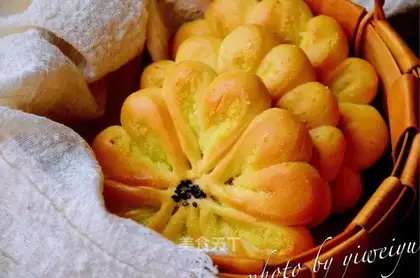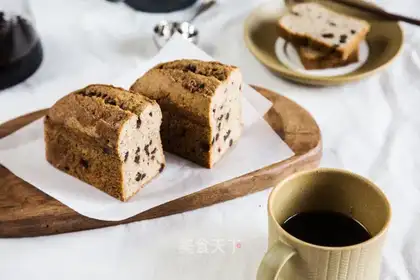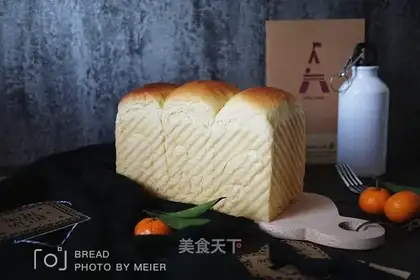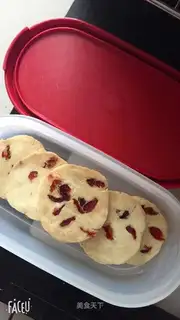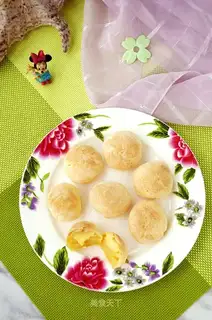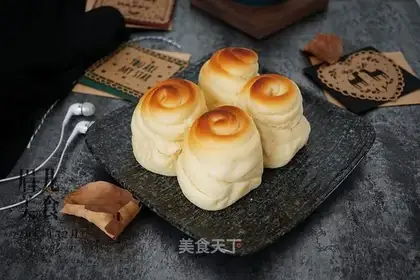
The Polish-cultivated rosary snacks, which are very soft, soft, silky, still have the same taste on the third day, and the practice is very simple, so let's try it with the preferred friends. For the first time in Poland, the squares came from red leaf 99, slightly modified (10 grams less whole egg fluid and 11 grams more milk). The original recipe was a 24-by-24 dish, and I didn't have a dish of this size, so I used the cake. The Polish yeast originates in Poland, and “Poolish” means “Poland” in French. Initially, it was only for pastry production, but with the spread of Poolish yeast in Europe, more and more people began to use it to make bread. Now, the Poolish yeast is all over the globe, from Cape Town to London, from Tokyo to New York, and you can see the Poolish yeast. Poolish yeast is made of an equal amount of flour and water, with a small number of yeasts, i.e. 100 per cent hydrolytic and without salt. Pollish yeast is produced in two stages. It starts with a semi-liquid Poolish yeast, containing the same amount of water and flour and fermenting for several hours. And then we'll make the whole noodles, and then we'll bake. The purpose of the semi-liquid yeast is to allow the yeast to reproduce quickly, thus increasing the strength and expansion of the total noodle。