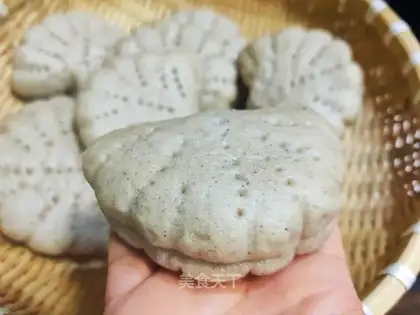
Black rice, often hailed as "forbidden rice" in ancient China due to its exclusivity to royalty, has transcended its historical mystique to become a modern superfood. Among its many processed forms, black rice flour—ground from whole black rice grains—stands out as a versatile and nutrient-dense ingredient. With its striking deep purple hue, distinctive nutty flavor, and impressive nutritional profile, black rice flour is gaining popularity in health-conscious diets worldwide. This article explores its nutritional value, health benefits, and important consumption considerations to help individuals incorporate this ancient grain into their lives safely and effectively.
I. Nutritional Value of Black Rice Flour
Black rice flour is a nutritional powerhouse, packed with macronutrients, micronutrients, and bioactive compounds that set it apart from other cereal flours. Its nutritional value stems from the bran and germ of the black rice grain, which are retained during milling—unlike in white rice flour, where these nutrient-rich layers are stripped away.
1. Macronutrients
- Carbohydrates: Black rice flour is primarily composed of complex carbohydrates, which provide sustained energy due to their slow digestion and release of glucose into the bloodstream. This makes it a superior alternative to refined flours, which can cause blood sugar spikes.
- Dietary Fiber: A 100-gram serving of black rice flour contains approximately 8-10 grams of fiber, significantly higher than white rice flour (1-2 grams). The fiber is a mix of soluble and insoluble types, including resistant starch, which acts as a prebiotic to support gut health.
- Protein: While not as protein-rich as legume flours, black rice flour offers 6-8 grams of protein per 100 grams, containing all nine essential amino acids—though it is slightly low in lysine. It complements plant-based proteins well, making it a valuable addition to vegetarian and vegan diets.
- Fat: The flour is low in fat (1-2 grams per 100 grams), with the majority being heart-healthy unsaturated fats, including omega-3 and omega-6 fatty acids.
2. Micronutrients
Black rice flour is exceptionally rich in minerals and vitamins, many of which are concentrated in its bran layer:
- Iron: Provides 2-3 mg of iron per 100 grams, about 15-20% of the daily recommended intake for adults. Iron is essential for oxygen transport and energy production, making this flour beneficial for individuals with anemia.
- Magnesium: Contains 60-80 mg of magnesium per 100 grams, a mineral critical for muscle function, nerve signaling, and blood pressure regulation.
- Zinc: Offers 1-2 mg of zinc per 100 grams, supporting immune function, wound healing, and DNA synthesis.
- B Vitamins: It is a good source of B vitamins, including thiamine (B1), riboflavin (B2), and niacin (B3), which play key roles in metabolism and energy production.
3. Bioactive Compounds
The most remarkable feature of black rice flour is its high concentration of anthocyanins, the pigments responsible for its deep purple color. Anthocyanins are potent antioxidants that combat oxidative stress and inflammation. Specifically, black rice contains cyanidin-3-glucoside, a type of anthocyanin linked to numerous health benefits. Additionally, it contains phytosterols, which help lower cholesterol, and oryzanol, a compound that supports cardiovascular health.
II. Health Benefits of Black Rice Flour
The unique nutritional composition of black rice translates into a range of health benefits, from chronic disease prevention to enhanced digestion and immunity.
1. Antioxidant and Anti-Inflammatory Properties
Anthocyanins in black rice flour neutralize free radicals—unstable molecules that damage cells and contribute to aging and diseases like cancer. Studies show that these antioxidants reduce markers of inflammation, such as C-reactive protein (CRP), and may lower the risk of chronic conditions like arthritis, heart disease, and neurodegenerative disorders. For example, a 2018 study in Nutrients found that anthocyanins from black rice improved cognitive function in mice by reducing oxidative stress in the brain.
2. Cardiovascular Health Support
Black rice flour promotes heart health through multiple mechanisms:
- Cholesterol Management: The soluble fiber and phytosterols in black rice inhibit the absorption of cholesterol in the gut, helping to lower LDL ("bad") cholesterol levels. A 2020 study in the Journal of Agricultural and Food Chemistry demonstrated that black rice bran supplementation reduced LDL cholesterol by 10% in adults with hyperlipidemia.
- Blood Pressure Regulation: Magnesium and potassium in the flour help relax blood vessels, improving blood flow and reducing hypertension risk. Anthocyanins also enhance endothelial function, the lining of blood vessels, which is critical for maintaining healthy blood pressure.
3. Blood Sugar Control
Thanks to its high fiber and resistant starch content, black rice flour has a low glycemic index (GI), meaning it causes a slower, more gradual rise in blood sugar compared to refined grains. This makes it an excellent choice for individuals with diabetes or prediabetes. Research indicates that replacing white rice with black rice can improve insulin sensitivity and reduce post-meal blood sugar spikes. A 2019 study in Food & Function found that black rice consumption lowered HbA1c levels (a marker of long-term blood sugar control) in diabetic rats by 15%.
4. Digestive Health Improvement
The fiber in black rice flour acts as a prebiotic, feeding beneficial gut bacteria like Bifidobacterium and Lactobacillus. These bacteria support a healthy gut microbiome, which is linked to better digestion, enhanced immunity, and even mental health. Insoluble fiber, meanwhile, adds bulk to stool and prevents constipation. Regular consumption may also reduce the risk of colorectal cancer by promoting the elimination of toxins from the colon.
5. Enhanced Immunity and Skin Health
The zinc and vitamin C (present in small amounts) in black rice flour bolster immune function by supporting white blood cell production and activity. Anthocyanins further protect the immune system from oxidative damage. For skin health, these antioxidants combat UV-induced aging by reducing collagen breakdown and inflammation. Additionally, the flour’s vitamin E content (a fat-soluble antioxidant) moisturizes the skin and protects it from environmental pollutants.
6. Weight Management Support
Black rice flour’s high fiber and protein content promote satiety, helping individuals feel fuller for longer and reduce overall calorie intake. This makes it a valuable tool for weight management. A 2021 study in Appetite found that participants who consumed whole grains (including black rice) had a 12% lower risk of obesity compared to those who ate refined grains.
III. Consumption Considerations and Precautions
While black rice flour offers numerous health benefits, it is important to consume it in moderation and be aware of potential precautions to avoid adverse effects.
1. Moderate Consumption Due to Arsenic Content
Like all rice varieties, black rice may contain trace amounts of arsenic, a toxic metal absorbed from soil and water. Arsenic exposure is linked to skin lesions, cardiovascular disease, and an increased risk of cancer. While black rice generally has lower arsenic levels than brown rice (due to differences in how the plant absorbs minerals), it is still advisable to:
- Limit consumption to 3-4 servings per week.
- Rinse the flour thoroughly before use (if using pre-ground flour) or soak whole grains before grinding to reduce arsenic levels.
- Choose organic black rice, which may have lower arsenic content due to stricter soil quality controls.
2. Phytates and Mineral Absorption
Black rice flour contains phytates, compounds that can bind to minerals like iron, zinc, and calcium, reducing their absorption. This is particularly concerning for individuals with mineral deficiencies or those relying heavily on plant-based diets. To mitigate this:
- Soak black rice grains overnight before grinding to reduce phytate levels.
- Pair black rice flour with vitamin C-rich foods (e.g., citrus fruits, bell peppers) to enhance iron absorption.
- Consume it in moderation alongside diverse mineral sources.
3. Gluten-Free but Not for Everyone
Black rice flour is naturally gluten-free, making it a safe option for individuals with celiac disease or gluten sensitivity. However, some commercial black rice flours may be cross-contaminated with gluten-containing grains (e.g., wheat) during processing. To avoid this:
- Choose certified gluten-free brands.
- Check product labels for "may contain wheat" warnings.
4. High Fiber Intake and Digestive Discomfort
For individuals not accustomed to high-fiber diets, sudden increases in black rice flour consumption may cause bloating, gas, or diarrhea. To prevent this:
- Start with small amounts (e.g., 1-2 tablespoons per day) and gradually increase intake.
- Drink plenty of water to help fiber move through the digestive system.
5. Allergic Reactions
While rare, some individuals may be allergic to black rice, experiencing symptoms such as itching, hives, or digestive upset. Those with known rice allergies should avoid black rice flour and consult a healthcare provider if adverse reactions occur.
IV. Practical Ways to Incorporate Black Rice Flour
Black rice flour’s versatility makes it easy to incorporate into a variety of dishes:
- Baking: Substitute 20-30% of wheat flour with black rice flour in bread, muffins, or pancakes for a nutrient boost and unique color.
- Noodles and Pasta: Mix with gluten-free flours to make homemade noodles or pasta.
- Smoothies: Add 1-2 tablespoons to smoothies for fiber and antioxidants.
- Porridge: Cook black rice flour with water or milk to create a creamy, nutrient-dense porridge.
- Thickener: Use it as a gluten-free thickener for soups, stews, or sauces.
Conclusion
Black rice flour is a nutritional treasure, offering a rich profile of antioxidants, fiber, vitamins, and minerals that support overall health. From reducing chronic disease risk to aiding digestion and weight management, its benefits are backed by growing scientific evidence. However, mindful consumption—particularly regarding arsenic levels, phytates, and fiber intake—is essential to maximize its advantages while minimizing potential risks. By incorporating black rice flour into a balanced diet, individuals can enjoy the ancient wisdom of this "forbidden grain" while promoting modern wellness. As research continues to uncover its potential, black rice flour is poised to remain a staple in health-conscious kitchens for years to come.