Shandong cuisine
VicentaLakin
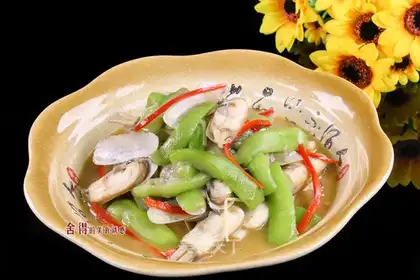
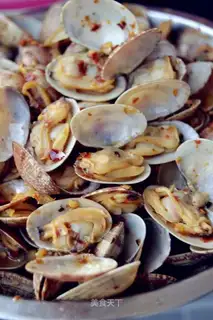
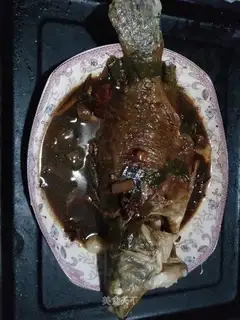
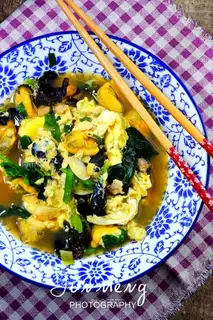
Weihai is one of the most popular places of origin of rufu, well known for cooking seafood. The halogenation method is simpler, first the noodles are cooked in boiling water, then put in the cool water and then made of halogens with some halogenated vegetables, which can be eaten over the water. It's also called water because it's cooked in cold water. The halogenated face is good, but few people know that the halogenated face of the sea is “caught out in poverty”. At that time, people in fishing villages had a hard life and had difficulty eating their food and meat, and having a visitor in their home had to eat noodles, which made it difficult to open a halogen. So the fisherman went to the beach to pick up some clams, beat some owls, make some soup out of them. On the noodles, sometimes when a fishing boat docks, fresh fish and soup are used as halogens, and in winter, because there was no refrigeration equipment and no fresh fish, fish villagers made halogens from dried fish and soft fish and a small amount of vegetables, so long the fish village was made of halogenated seafood. Because of the lack of oil and meat, seafood was almost boiled with fresh water at that time, it was more gruesome, and many outsiders did not like it. As people ' s standard of living continues to rise, people eat more than just to feed themselves, and more than nutrition and taste, fishers become more capable of eating seafood on their faces. For example, the halogens that are now being eaten with clams are first evaporated with the clams, boiled into milk and white toad soup, then refueled in the pots, with onions and ginger, and with toad soup and time vegetables, plus some well-cooked clams. The halogens made in this way, which are flesh and clams and green vegetables, eat and put in their mouths a small clam with shells, with light teeth and fresh clams with juice, and think about it. There is also a problem with halogenation with fresh fish, preferably with porpoise, blackfish, redfish, etc. Put the fish in the pot and boil it, and then put it in the head and in the middle of it, and make it into small pieces, together with vegetables, with fresh fish soup that boils the fish, a bowl of fish made of halogen noodles. Then people turned to a pot, where the fish were boiled, then cooked with fish heads and stings, and then made fish into little pieces, and put noodles in a pan full of fish and fish soup, and fish meat and noodles were cooked together. This pasta is full of flour and fragrance, and fresh fish is fresh and fresh, and it's full of food. In addition to halogenation with fresh fish, fishmen also make fish dry stocks of saloons, tailfish, eel, etc. Hide until the winter, and when making noodles, make the dried fish into small pieces, and with vegetables such as cabbage, pickles, spinach and so forth, make fish dry and seafood, which still eats beautiful fish. halogens are made from seafood, the best material being fish seeds. Scratch seeds in the spring, which are cut with a knife into small thin slices, each of which shines bright, and put them in halogens, or ate a piece of them, chewing and smelling, and reminiscing. If they were cut into pieces with cucumbers, they would be made of fried sauce, and some cucumber silk would be mixed in the noodles, fragrances, fish seeds, fragrances, fragrances, etc., with green cucumbers, which are more unique. Today, with the blistering of seafood, the halogenated face of seafood has come from the table of ordinary people to the Grand Hall of Hotels, where people are interested in tastes of fishers-specific foods. There is an awareness of the depth and depth of the food culture in fishing villages。