Shanxi cuisine

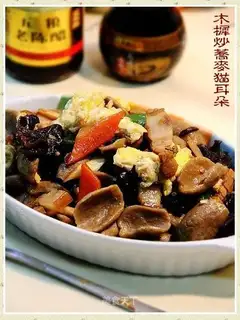
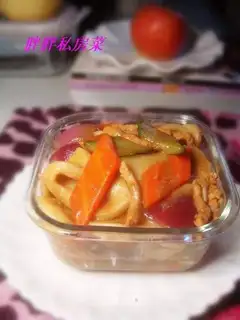
stir-fried buckwheat cat ears with sweet clover

stir-fried buckwheat cat ears with sweet clover

ErvinConsidine

Regular adjustment of coarse grains in your weekly meal will be great for your health. Many coarse grains are rich in dietary fiber, which can enhance the body's metabolic function and promote circulation. Many substances in coarse grains are not found in refined grains. Eating coarse grains frequently is also an important supplementary source of various substances needed by the human body. <br />Making coarse grains carefully is an exercise method worth studying and trying for friends who love making delicious food. It is also a happy thing to make some difficult to swallow coarse grains through fine processing and good matching to turn them into delicious food that everyone likes! <br />Today, buckwheat is used to make delicious food. Buckwheat can be used to make noodles, rice noodles, steamed buns, or mixed with high-gluten flour to make bread. Korean cold noodles are also mainly made of buckwheat, mixed with some wheat flour and potato starch and pressed. They are a very popular pasta. The following interpretation is a cat's ear noodle made with buckwheat. The difference is that the cat's noodles are fried with sweetclover, so it is called "fried with buckwheat cat's ears". The specific method is as follows;
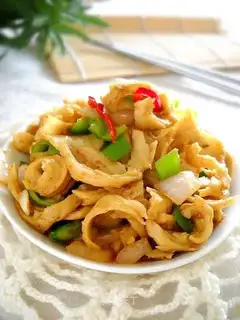
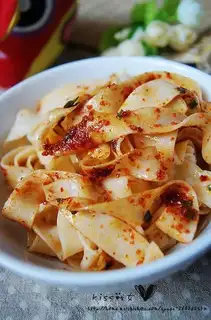
Oil splashed to tear noodles

Oil splashed to tear noodles

SabrynaHand

The various noodles in Xi'an are similar to the fried sauce noodles in old Beijing. The taste made by each household is different. There is no telling who is more authentic. What they want is the familiar taste and the comfortable aroma. <br /><br />Shaanxi pulled noodles, also known as ramen, dragged noodles, pulled noodles, Zhentiao noodles, Xianggu noodles, etc., are said to have a history of more than 3000 years. Oil doused noodles were developed and evolved on the basis of "Li Noodles" in the Zhou Dynasty; in the Qin and Han Dynasties, they were called "soup cakes", which belonged to the category of "boiled cakes"; in the Sui and Tang Dynasties, they were called "Changsheng Noodles", which meant that they were put into the pot and cooked continuously for a long time; in the Song and Yuan Dynasties, they were renamed "Water Shuikou Noodles".