Northwest cuisine
VicentaLakin
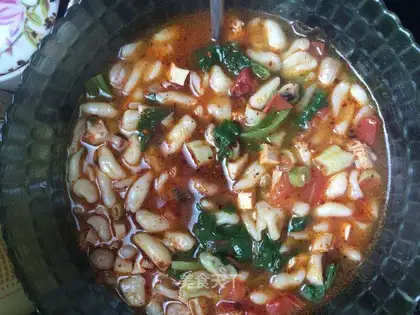
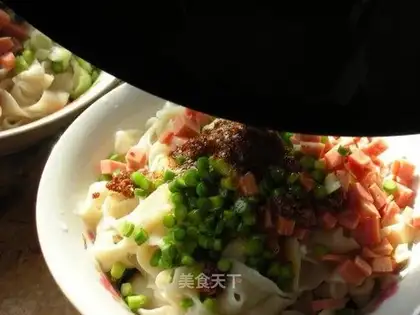
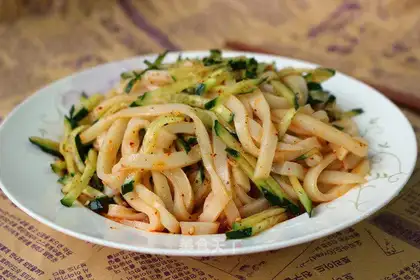
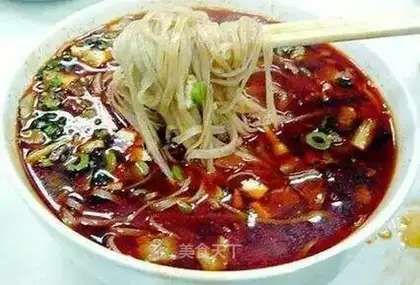
A presentation on the face of Sakayama (with details on spice formulations, acid souping and technical points): The face of the mountain is another traditional pasta that tastes like sour, spicy, fragrance, and the face of the pasta is like a thin, spasm, light. It's delicious, besides the pasta, but it's still in the soup juice and the top of the floor. "Wind" for the cheeks, "sweet" for the noodles, and hot for the noodles. I'm going to talk today about the practices of stun and sour soup. Shade production: Raw material: 1,000 grams of meat chips. Onion 20 grams, ginger 15 grams, red dry pepper 15 grams, then secret spice 45 grams, pepper 80 grams, chili 100 grams and water 1000 grams. Secret spice formulations: 15 grams small, 10 grams eight o'clock, 5 grams vanilla, 8 grains of meat, 5 grains of grass and 2 fragrances. The method of production: (1) The net boiler slips through a little bottom oil, drops into five fragrances of 1,000 grams of meat for about five minutes, and makes a fraction of 20 grammes of oil, 15 grams of ginger and 15 grams of red dry pepper. (2) Ten more minutes of decorated fragrance, at which point 80 per cent of the oil has been released from the fat, and the spices are odoury, with 80 grams of thin pepper paste rapidly turned to red, and the spices and meat slices covered with red pepper powder. (3) Cook into the pot 100 grams of zirconium vinegar, with the vinyl fire turning from irritation to softness, pouring into water 1,000 grams, and with a small fire prepared for 40 minutes. The technology is critical: one, the traditional phantom is one, i.e., more oil