In Chinese culture, the first "fu" day, marking the beginning of the hottest period of summer, is celebrated with a cherished custom: eating dumplings. Known as "toufu jiaozi," this tradition blends culinary delight with cultural symbolism, embodying hopes for good fortune and relief from the scorching heat.
Dumplings, or "jiaozi," are shaped like ancient Chinese ingots (gold/silver sycee), making them a symbol of wealth and prosperity. Eating them on the first "fu" day is believed to "wrap" good fortune for the coming year, while their warm, filling nature is thought to nourish the body and boost energy, helping people endure the summer’s harshness. Additionally, garlic and chives often used as fillings are considered natural "heat-dispelling" ingredients in traditional Chinese medicine, adding a practical layer to the ritual.
Beyond symbolism, the custom strengthens family bonds. Preparing dumplings together—rolling wrappers, filling centers, and folding edges—becomes a joyful reunion activity, as relatives gather to share stories and laughter. The aroma of freshly cooked jiaozi fills homes, creating a sense of warmth and togetherness amid summer’s swelter.
Thus, "toufu jiaozi" is more than a dish; it is a living tradition, merging culinary art, cultural beliefs, and family love to ward off summer’s woes and invite blessings for the days ahead.
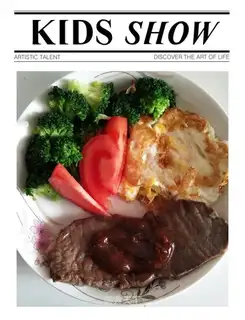 Fried steak"
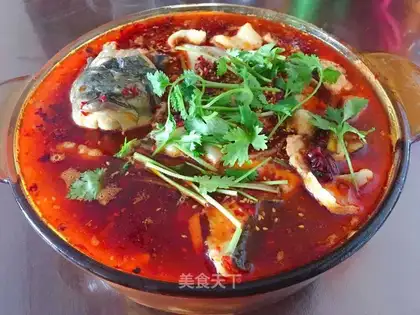 Spicy fish"
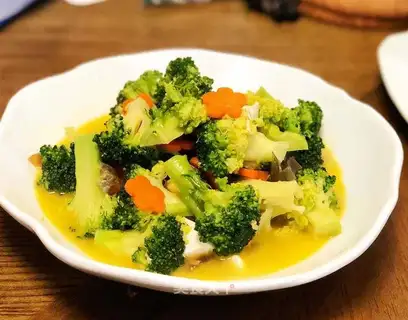 Tonic orchid"
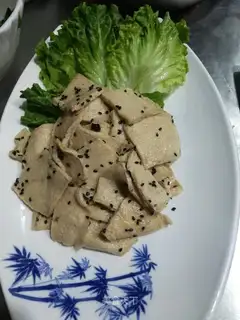 Tofu"
Tofu"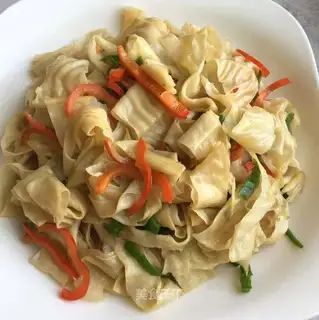 Cream pepper"
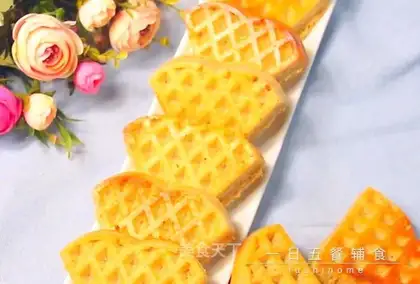 Black McWoff"
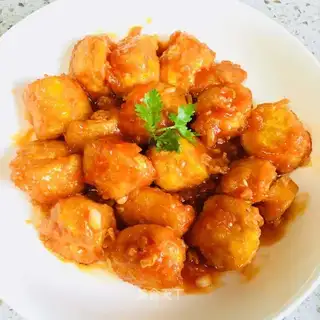 Sugar and tofu"
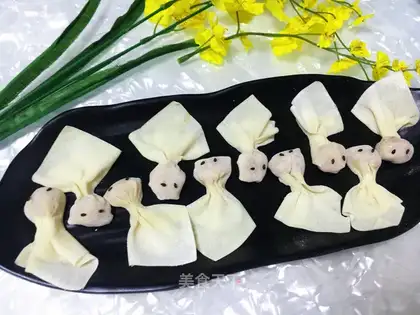 Goldfish"
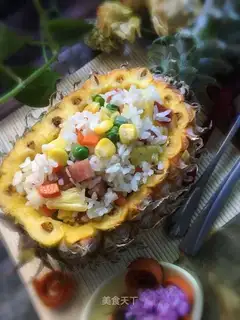 Pineapple rice"
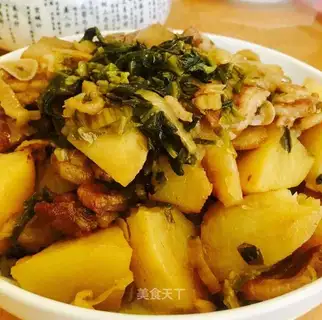 Potato soy falciparum"
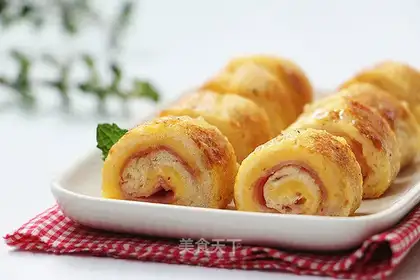 Cheese toast"
 Tomato soup"
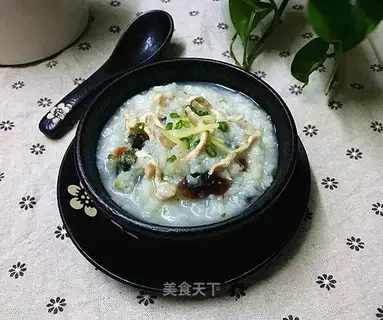 Porridge"
 Toast"
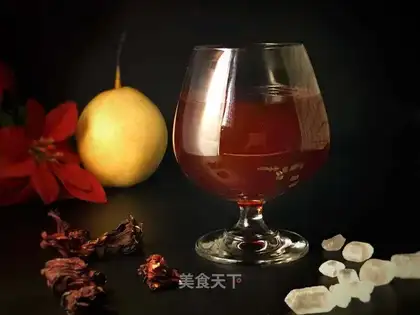 ♪ The Lord of L.A. Sydney Tea ♪"
 Tomato chop soup"
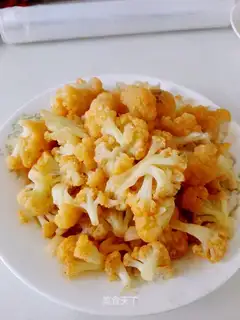 Ketchup"
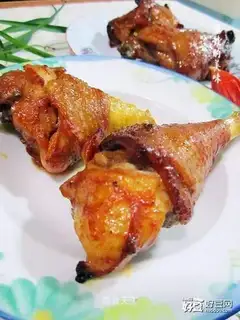 Roasted chicken legs"
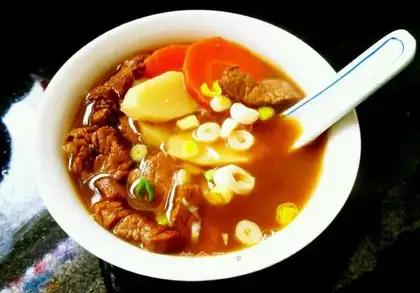 Poppy sauce"
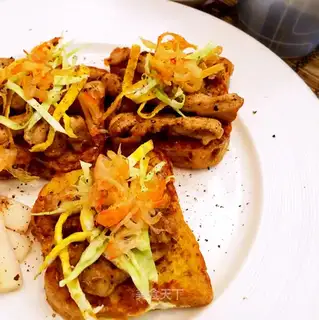 Roasted chicken chest"
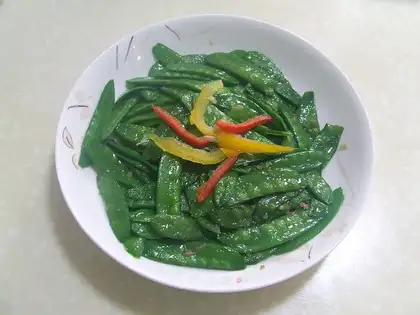 Garlic Dutch beans"
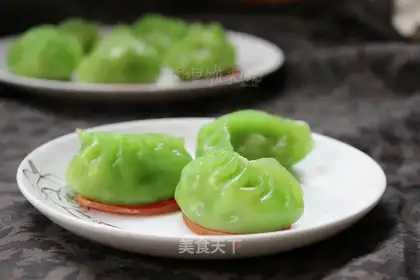 Emerald steam"
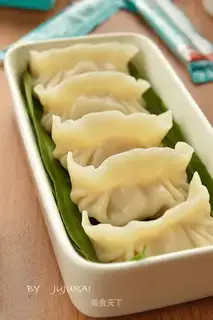 High soup dumplings"
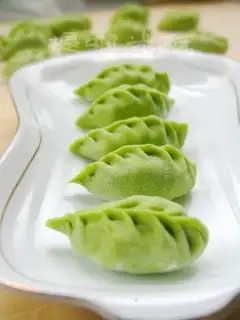 Emerald meat dumplings"
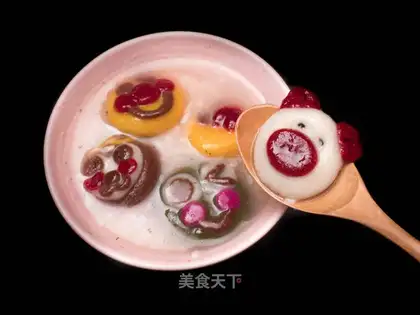 Black sesame toons"
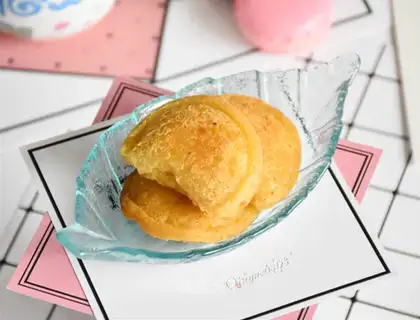 Fry cream"
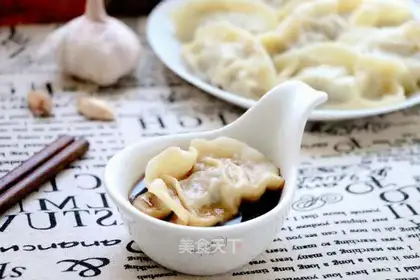 Grey-tree dumplings"
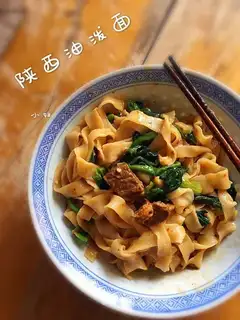 Beef pieces"